Exploring the Features and Practical Uses of a 100% 3D-Printed Bench Vise
| Shelf | Security |
|---|---|
| Date in | |
| Readers | 589 |
This compact, fully 3D-printed bench vise eliminates traditional hardware, offering innovative clamping for hobbyists and DIYers alike.
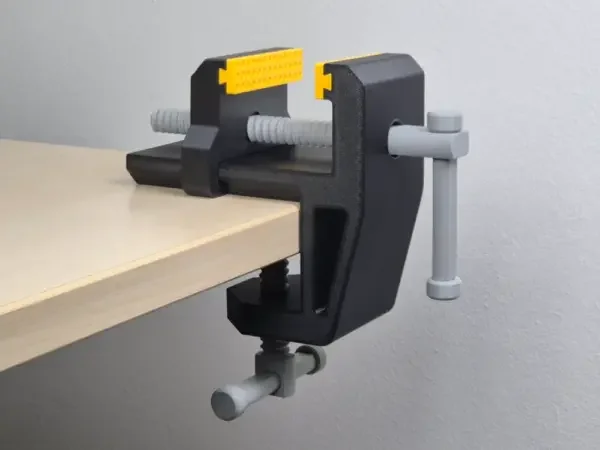
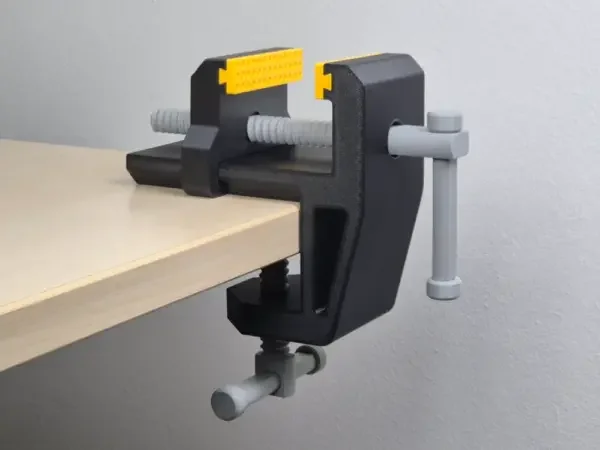
The latest entry in the world of 3D printing is a fully 3D-printed bench vise developed by STLsupplier. Measuring just 160×160×80mm and showcasing a 100mm clamping range, this vise is uniquely designed without the need for any metal components or screws, making it a lightweight yet functional tool for light-to-medium clamping tasks.
Design and Functionality
This bench vise is ideal for a variety of applications—be it hobby work, gluing, soldering, or assembling parts. Its design caters particularly to those working on small projects, such as holding 3D printed components during cleanup or assembly. Without screws, bolts, or rods, the assembly becomes a straightforward process that stands out in terms of usability and accessibility.
The design simplicity does not compromise functionality. The vise rotates back into a tool lineup that appeals to both casual users and serious hobbyists alike. One notable feature to keep in mind is the spindle hole, which requires supports when printed. Users will need to file down any rough edges post-printing to ensure its smooth operation—something to consider if precise functionality is essential for your work.
Practical Applications
Engaging with this 3D-printed bench vise opens up numerous possibilities for DIY projects. Whether you’re gluing or soldering parts together, this tool offers the necessary grip while allowing unhindered accessibility. Particularly suited for electronics projects, it can serve as a stable holder for components like small circuit boards or delicate 3D printed elements.
In practical terms, the absence of traditional hardware components means a reduction in potential failure points. This can translate into smoother operation and maintenance, aligning with the ethos of DIY enthusiasts who often value simplicity and ease of use. Moreover, 3D printing enthusiasts can modify the design to meet personal needs or project specifications, fostering a culture of customization.
Compatibility and Migration Efforts
When switching to a fully 3D-printed tool like this bench vise, users should consider their equipment setup. Most modern 3D printers can handle the construction of this tool, given it’s simply a matter of downloading the necessary files. You can find the STL files needed on MakerWorld, facilitating easy access for enthusiasts wanting to create their own tool.
The potential for 3D printing in workshops is vast, and this bench vise embodies this transition into hands-on, practical making. It signals a shift towards a greater reliance on 3D printing technology in everyday tasks, pushing beyond traditional methodologies.
Limitations and Open Questions
Despite its strengths, it’s important to approach this tool with an understanding of its limitations. The clamping range may not suffice for larger projects where more robust hardware would be necessary. Additionally, its light-to-medium capacity could restrict its use with heavy-duty tasks. Exploring the design over time may yield enhancements that can address these limitations, but initially, those seeking a jack-of-all-trades vice may require something more adaptable.
Another consideration revolves around the quality of prints. The smooth operation of the spindle largely depends on how well users can execute the initial 3D print. Those with less experience might run into challenges that could affect the tool's performance, highlighting the importance of understanding the parameters of one's printer settings.
Looking Ahead
As 3D printing technology evolves, future iterations of this bench vise may come equipped with advanced features like integrated flexible clamping options or enhancements in the design for greater stability. Keeping an eye on community feedback and improvements in print technology will likely be vital for those interested in this type of tool.
With the prints well on their way to becoming stand-alone solutions for everyday tasks, this bench vise exemplifies how 3D printing is shaping the maker movement—blurring the lines between traditional tools and modern fabrication techniques. As you consider incorporating this vise into your toolkit, think about how it aligns with your specific needs and whether it can be an innovation that enhances your work process.
Adafruit continues to highlight the ongoing discussions in the 3D printing community every Thursday, known as #3DThursday, encouraging DIY enthusiasts to explore the intersection of 3D printing and electronics projects.
With platforms like Adafruit and MakerWorld providing resources, sharing designs, and supporting innovation, the potential for 3D printed tools like this vise is just beginning to unfold.


