Exploring a Custom Snap-Together Case for Raspberry Pi Pico W: A Practical 3D Printing Project
| Shelf | AI & ML |
|---|---|
| Date in | |
| Readers | 678 |
Discover a custom snap-together case for the Raspberry Pi Pico W that caters to unique dimensions, ensuring practicality and ease of integration for DIY enthusiasts.
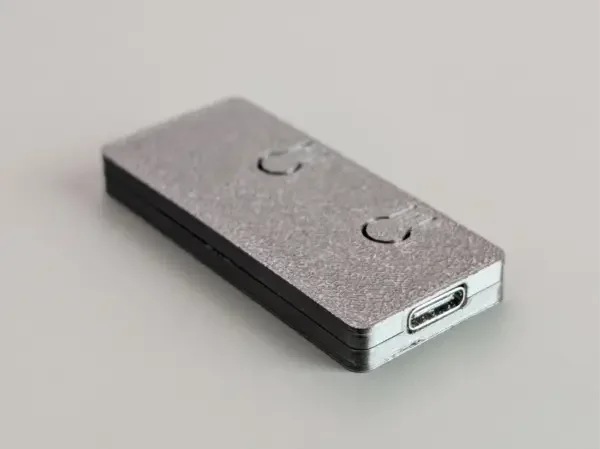
Custom Case for Raspberry Pi Pico W
The latest offering from the DIY community is a tailored snap-together case designed specifically for a third-party Raspberry Pi Pico W board. This case, measuring 54×24×6mm, has been created to accommodate boards with non-standard dimensions—specifically, those measuring 51.50×21.0mm. This sort of customization is essential in the world of electronics where fitting components snugly can impact both aesthetics and functionality.
Technical Specifications
Printed using 3D technology, the case is designed with several key specifications in mind. It utilizes a 0.16mm layer height, with two walls for structural integrity and a 15% infill, resulting in a lightweight finished product of approximately 5 grams. The entire print job takes around 16 minutes, which makes it convenient for hobbyists who seek quick turnaround times on projects.
However, users should proceed cautiously: this case was designed for a specific variant of the Pico W, which may not align with the dimensions of standard Raspberry Pi Pico or Pico 2 W boards. As a result, it’s advised to verify the fit against your actual board before proceeding with the print.
Integrating Electronics with 3D Printing
3D printing is pushing the boundaries of how hobbyists and professionals in the electronics sector integrate their components. This case exemplifies the trend of pairing 3D printed parts with electronic circuitry. By providing enclosures, brackets, and specialized sculptures, makers can enhance their projects with a personal touch, while also ensuring protection and ease of assembly.
Projects that utilize this case can include anything from simple sensor applications to more complex devices that take advantage of the Pico W's capabilities. Enclosing a microcontroller not only improves durability but also contributes aesthetically to the overall design.
Practical Impact and Considerations
The ease of printing such cases can significantly reduce the time needed for project development cycles. By being able to quickly produce custom enclosures, teams can iterate designs and modifications with minimal effort. There’s a growing recognition among makers that investing in 3D printing technology pays dividends in the long run, particularly for tailored short-run projects.
The choice of material, typically PLA for such cases, also impacts both performance and cost. PLA is known for its ease of printing and good structural properties, making it a go-to choice for many DIYers. It’s affordable, readily available, and sufficient for indoor projects where extreme durability isn’t required. However, users in harsher environments might need to consider alternative materials that offer better heat resistance or impact strength.
Future Insights and Open Questions
As the 3D printing landscape continues to evolve, it's essential to watch for advancements in both printing technology and material science. Future iterations of this case design could incorporate enhancements such as improved ventilation, customizable ports, or integration for additional components, such as displays or battery holders.
Moreover, as users continue to experiment with these enclosures, feedback and community sharing on platforms like Adafruit's #3DThursday can provide insights into practical improvements or new features that could be beneficial. It presents an opportunity for iterative design, where suggestions from end-users could refine future designs.
This specific snap-together case is just one of many innovations in the DIY 3D printing space, symbolizing how customization can drive innovation in small-scale electronics. As the maker community grows, we can anticipate more interactions between 3D printing and electronics, potentially leading to new tools and techniques that enhance project execution.
In conclusion, this custom Raspberry Pi Pico W case is representative of the innovative spirit seen in the DIY 3D printing community. Whether for prototyping, educational purposes, or personal projects, it's a valuable resource that highlights the intersection of 3D technology and electronics, paving the way for exciting new developments in the future.
For those interested, the design files for this case can be downloaded from MakerWorld.


