EU and China Negotiate Sanction Swap to Support Critical Chip Supply Chain Firm
| Shelf | AI & ML |
|---|---|
| Date in | |
| Readers | 879 |
The EU is in discussions with China to lift sanctions on a key ASML supplier, highlighting the intricate connections within the global semiconductor ecosystem.
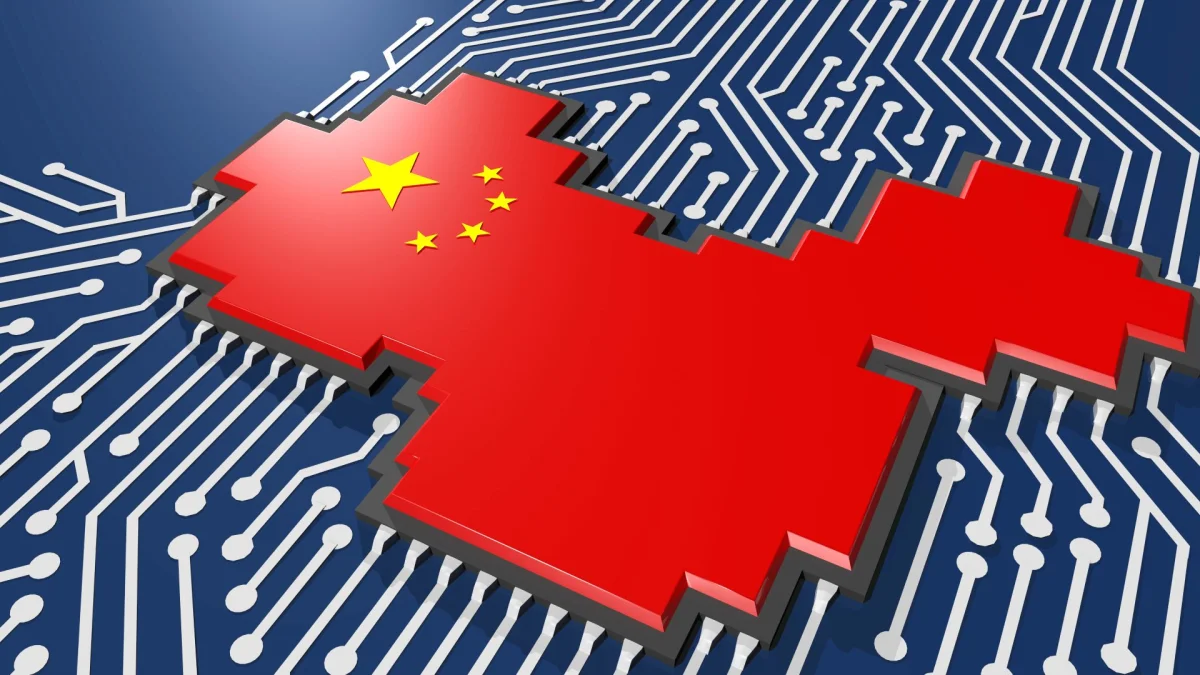
EU-China Negotiations: A Sanction Swap Explained
The European Union is currently engaged in negotiations with China to potentially lift restrictions on Sindlhauser Materials GmbH, a pivotal German company within ASML's supply chain. These restrictions threaten Sindlhauser's viability and, by extension, ASML's operations, a major player in global semiconductor manufacturing. In exchange for easing these sanctions, the EU is considering the removal of restrictions on an unnamed Chinese entity accused of supporting Russia during the Ukraine conflict, as reported by Bloomberg on October 14.
The Context of Sanctions
This negotiation stems from China placing Sindlhauser on its export-control list in July 2026, along with 13 other European companies. This move, perceived as retaliation, followed the EU's sanctions against several Chinese firms engaged in supplying components to Russia that could be utilized for military purposes. Beijing's official standpoint claims the sanctions are due to these firms' interactions with Taiwan, but they also underscore the geopolitical tensions affecting technology supply chains.
China's focus on Sindlhauser is significant, given the company's unique position as a supplier to ASML. Reports suggest that Chinese authorities have spent the better part of a year analyzing Western supply chains, pinpointing Sindlhauser as a strategic vulnerability in the semiconductor equipment domain. By targeting this relatively obscure firm, China aims to exert pressure on a crucial element of the chip manufacturing industry.
Implications of the Sanctions
Sindlhauser is heavily reliant on Chinese rare earth materials and critical minerals, which are essential for its manufacturing processes. The sanctions imposed by China prevent not just direct selling to Sindlhauser but also prohibit foreign intermediaries from providing Chinese-origin dual-use items. This effectively cuts off Sindlhauser from its primary input sources and exacerbates its operational challenges.
Following the sanctions, panic set in regarding Sindlhauser's future. The German government, along with Bavaria's state authorities, has stepped up to support the company. They have been exploring alternative sourcing strategies and options for recycling existing materials. However, given Sindlhauser's entrenched dependence on Chinese inputs, the company faces a critical risk of insolvency if these sanctions persist.
The Broader Significance in Technology Supply Chains
The ongoing discussions between the EU and China to facilitate a sanction swap underline the complex interdependencies within global technology supply chains, particularly in the semiconductor sector. The ability of countries to impose effective sanctions and the subsequent countermeasures reveal a significant dynamic that can impact technological advancements worldwide.
This negotiation is not merely about corporate survival; it represents a strategic consideration for both the EU and China within the context of a rapidly evolving technological landscape. As the world pivots toward artificial intelligence and other advanced technologies, semiconductor manufacturing continues to be a cornerstone of economic competitiveness. The delicate balance between maintaining supply chain integrity and navigating political landscapes is becoming increasingly critical.
Future Outlook and Key Considerations
EU officials have been voicing concerns regarding the situation with Sindlhauser for several weeks, leading up to the potential delisting agreement discussed during Maroš Šefčovič's visit to Beijing. However, any move to lift sanctions from the EU's side would require a unanimous decision from member states, highlighting the challenges of collective action in a politically charged environment.
As these talks progress, it's crucial to observe how both sides will respond to ongoing geopolitical pressures. The willingness to share information and provide advance notifications about future export restrictions reflects a desire for greater collaboration but raises questions about transparency and trust.
The situation speaks to a larger trend where countries increasingly recognize the importance of maintaining a stable supply chain amidst geopolitical tensions. With China also enforcing export controls on critical rare earth metals, the interplay of these negotiations could have long-standing implications for the semiconductor industry and its accompanying technologies.
Looking ahead, stakeholders across the supply chain will need to monitor these developments closely. Continued disruptions or new restrictions could reshape procurement strategies not just for Sindlhauser but for other firms reliant on similar resources. The outcome of the EU-China negotiations may well serve as a bellwether for future cooperation or conflict in global technology policy.


