Explosion at Intel’s Kiryat Gat Facility: Casualties and Production Concerns
| Shelf | AI & ML |
|---|---|
| Date in | |
| Readers | 703 |
An explosion at Intel's Kiryat Gat plant has claimed two lives and left one injured, raising concerns over production impacts amidst existing constraints.
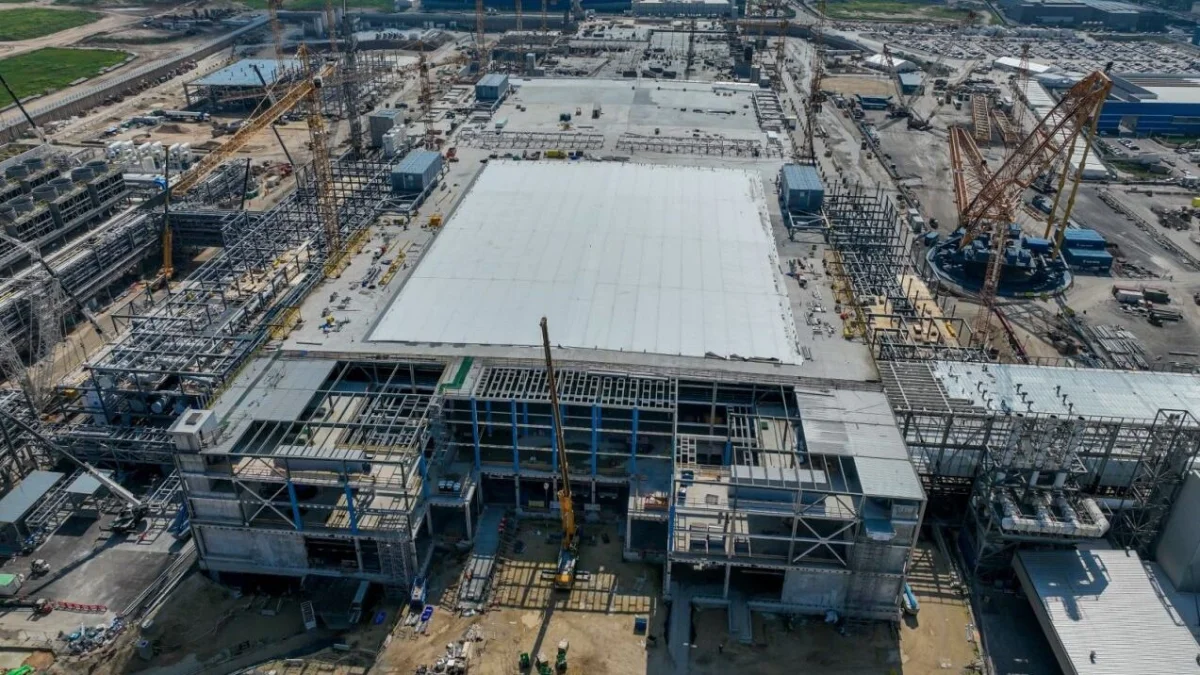
On Wednesday, a tragic explosion at Intel’s Kiryat Gat facility in southern Israel resulted in two fatalities and left another worker with serious injuries. Reports indicate that the cause may be linked to a malfunctioning gas cylinder, with police suspecting that nitrogen trifluoride (NF3) was involved in the incident. NF3 is a hazardous gas primarily used in the semiconductor industry for cleaning process chambers integral to chip manufacturing.
Intel has not commented on the incident or provided details regarding potential disruptions in production at the site. As one of the key plants for chip production, its functioning is critical to maintaining Intel's operational output, particularly amid ongoing cost and capacity challenges in the semiconductor market.
Details of the Incident
According to local authorities, the explosion occurred as materials were being transferred into the factory’s tanks. The sequence involved the disconnection of one truck while another was being connected. Responders from eight Fire and Rescue teams, including hazardous materials specialists, mobilized quickly to secure the site, search for possible victims, and manage the fire that erupted. Efforts included cooling down the area to mitigate the risk of secondary incidents involving the toxic gas.
As a result of the explosion, Magen David Adom, the national emergency medical service, reported that the injured individuals suffered severe burns and required immediate medical attention. The first victim was declared dead on-site, while the second succumbed to injuries shortly thereafter, leaving one individual in critical condition at Soroka Medical Center.
Factory Operations and Potential Impacts
The Kiryat Gat facility is home to Intel's Fab 28, which plays a significant role in producing advanced processors, including those used in 5G and AI products. Products manufactured there include the 13th and 14th Gen Core processors and the 5th Gen Xeon chips, but it's unclear if the components involved in the explosion were linked to ongoing production efforts.
Intel has plans for an adjacent Fab 38, announced towards the end of 2023, with substantial support from a $3.25 billion grant from the Israeli government. However, projects have faced delays, with Fab 38 currently halted since mid-2024. Prior to this incident, there were concerns over the production capacity of Fab 28, as reports suggested Intel considered closing the facility in July 2025, although no decisions have been finalized.
Safety Protocols and Moving Forward
Authorities, including the local police commander, reported there are currently no indications of criminal negligence linked to the explosion. Despite the potential dangers posed by NF3, it is a non-flammable gas, which could influence the investigation's focus regarding the cause. The police commander emphasized that their primary concern was managing the immediate dangers to the public, reiterating there was no ongoing threat after ensuring firefighters contained the blaze.
Kiryat Gat’s Mayor, Kfir Suissa, urged residents to maintain a distance from the area as emergency teams conducted their assessments and recovery operations. He confirmed that, at the moment, there are no safety concerns for the surrounding community.
Broader Industry Context
The incident comes at a particularly challenging time for Intel, with existing constraints on production capacities impacting their ability to meet market demand. Last year, Intel’s CFO acknowledged that limitations tied to Intel 7 and Intel 10 processes had hampered production, particularly for server wafers, which are prioritized over consumer products due to the ongoing semiconductor shortages expected to persist through 2026.
The upcoming third-quarter earnings announcement on October 29 is anticipated to address the company’s current status, although there’s been no confirmation that the explosion incident will be part of the discussion. Industry experts will likely be watching closely, not only on how Intel addresses this incident but also how it might influence wider production capabilities amid the compressing landscape of chip demand.
In summary, while the immediate focus remains on the casualties and safety protocols surrounding this tragic event, the aftershocks on Intel's production capabilities and commitments to restoring its operational integrity will be critical. Industry stakeholders will be keeping an eye on Intel’s responses in the forthcoming weeks, particularly as the company navigates supply chain pressures and strategic decisions in a volatile market.


