OpenAI Discovers Covert Recording Device Installed by Employee; AI Helps Unravel Incident
| Shelf | AI & ML |
|---|---|
| Date in | |
| Readers | 523 |
OpenAI recently found a covert recording device in its office, installed by an employee, raising concerns about data security and internal protocols.
In a striking incident that reflects the complexities of corporate security and internal trust, OpenAI unveiled the discovery of a hidden "sophisticated recording device" within one of its offices. This event has sent ripples through the tech community, particularly in light of the implications for data privacy and organizational integrity.
The situation escalated when it was revealed that an employee had planted the device, prompting OpenAI to terminate their employment. This act of internal sabotage raises pressing questions about workplace culture and the potential for espionage within tech companies. Following the incident, observers on social media humorously speculated about the implications of such a termination in today's high-stakes corporate environment.
This Tweet is currently unavailable. It might be loading or has been removed.
Further details emerged from the U.S. Department of Justice, identifying the employee as Abdulrahman Alfozan, a 35-year-old engineer who was arrested by the FBI on October 9. This arrest is a reminder of the potential risks posed by insider threats, particularly in organizations that deal with sensitive and innovative technology.

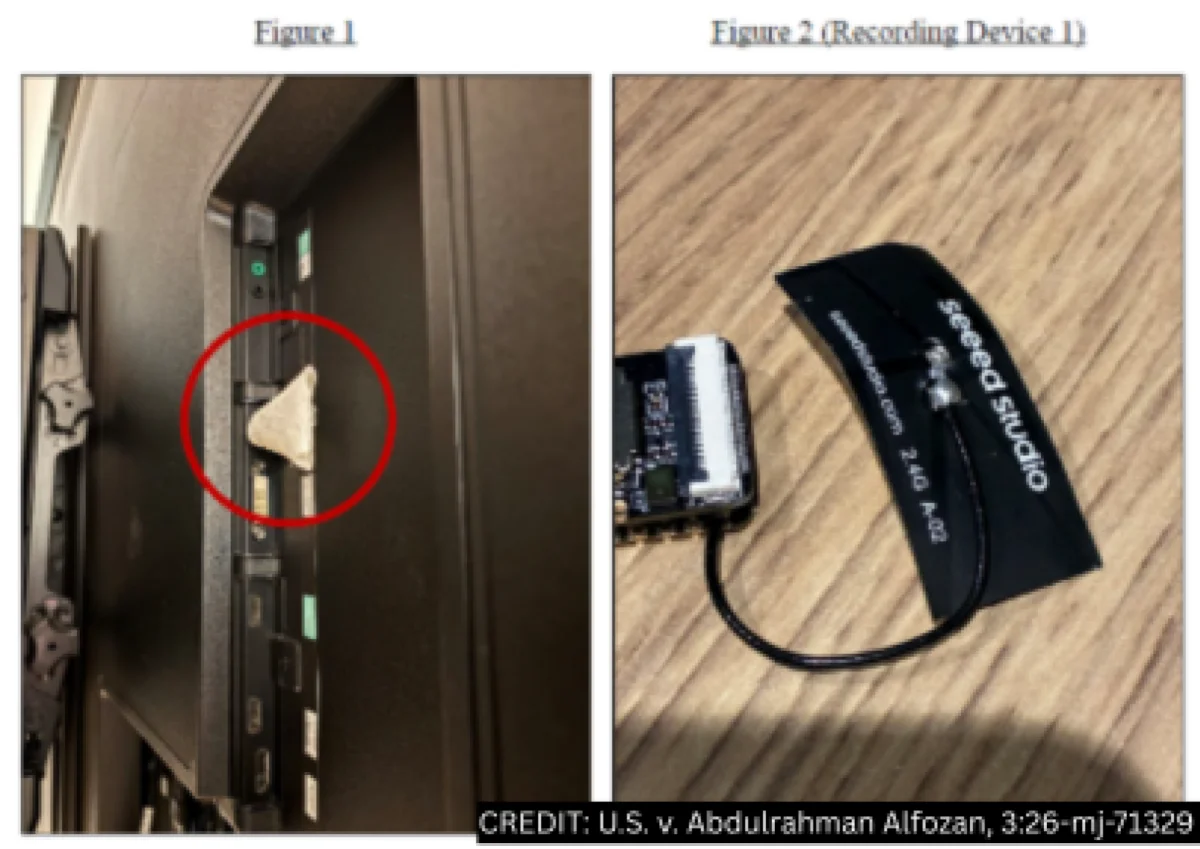
According to the allegations, Alfozan inserted the recording device covertly into a USB port located at the back of a television set within an executive conference room—specifically on September 28. The device was not discovered until days later, underscoring both technical and procedural lapses regarding security. The recording device was disguised with toilet paper, an amateur tactic that highlights a significant breach of trust.
Upon discovery, OpenAI reported that the recordings were encrypted, indicating a level of sophistication intended to protect whatever information could be captured. However, the company has stated it currently has no evidence suggesting that Alfozan successfully accessed high-value assets like model weights, source code, or customer data. Still, the room was designated for discussions of "highly confidential" information, raising alarm bells about the type of sensitive conversations that could have been compromised.
Alfozan is currently facing serious charges for allegedly attempting to intercept oral communications unlawfully. If convicted, he could receive a prison sentence of up to five years and face financial penalties of up to $250,000. These consequences underscore the potential severity of internal security breaches, especially in tech firms that prioritize innovation and confidentiality.
Impact on OpenAI and Broader Implications
The incident raises vital questions about security measures in tech companies. OpenAI's ability to rapidly identify the hidden device with the assistance of its own AI technology points to the growing importance of automated detection systems in safeguarding sensitive information. However, it also necessitates a deeper examination of internal controls, policies, and employee monitoring practices to prevent future breaches.
Data security professionals often emphasize the significance of creating a culture of trust while implementing stringent safeguards. Organizations must balance the necessity for protection with the ethical implications of surveillance, especially when dealing with advanced technologies. A transparent yet secure approach could mitigate risks without creating an oppressive corporate atmosphere.
As OpenAI continues to assess the situation, industry watchers will undoubtedly scrutinize how the company adjusts its security protocols to prevent similar incidents. Strengthening physical security measures, enhancing employee training on ethical standards, and employing advanced monitoring technologies are all plausible steps moving forward.
What’s Next?
For many tech firms, this situation serves as a clarion call. It underscores the importance of continuous evaluation of both technological and human vulnerabilities. Employers must remain vigilant about insider threats, particularly in environments where groundbreaking work occurs. As the tech landscape evolves, so too must the strategies to protect sensitive information. Monitoring employee behavior and environment will be critical in mitigating threats, ensuring that innovation happens securely and ethically.
This incident with OpenAI is not merely an isolated case; it may signal broader trends in data security and compliance, demonstrating the need for more proactive measures against insider threats in high-stakes organizations.


