Trust and Safety in AI: Can Self-Regulation Work?
| Shelf | AI & ML |
|---|---|
| Date in | |
| Readers | 468 |
The rising influence of AI raises questions about the self-regulation of tech companies and the industry's commitment to safety amid profit-driven incentives.
The New York Times recently highlighted how Meta has been operating its AI data centers as experimental facilities, allowing it to claim billions in federal research tax credits. The reported increase in savings from $700 million in 2023 to an astounding $3.9 billion in 2025 raises eyebrows. How does a company valued at $1.8 trillion grapple with such frugality? The primary driver remains the relentless pursuit of profit, market performance, and stock price — a cycle underpinning corporate actions.
This situation exposes a troubling reality: the stewards of some of the most powerful technologies are likely to prioritize financial gain over ethical considerations. Such behavior casts doubt on claims that they will genuinely sacrifice profit for societal welfare.
As conversations around AI safety intensify, questions proliferate: Are we assured of the ethical direction these organizations are taking? What recourse exists if they misstep? While AI conglomerates express concern regarding rogue AI systems potentially disrupting fundamental infrastructures, skepticism remains regarding their commitment to genuinely address and mitigate these risks.
Notably, both OpenAI and Anthropic have taken steps to halt their ongoing projects due to safety concerns. OpenAI recently shelved its latest model after it failed to meet safety standards. In contrast, Anthropic's CEO forewarned that emergent AI could orchestrate a takeover of the internet within the next year. Even Pope Leo has weighed in, asserting that fears surrounding AI's destructive potential are markedly valid — not just alarmist rhetoric.
The Real Incentive Dilemma
Having spent three decades immersed in corporate environments, I’ve never witnessed a scenario where a corporation jeopardized its performance purely to uphold ethical standards. This isn’t mere cynicism; this is the reality of corporate incentives, compounded by the greater pressure to reduce costs and maximize profits. When AI developers express sincere worry about safety, it's a complex emotion, intertwined with fears of litigation stemming from potential AI failures.
The reality is that every AI competitor faces the innate pressure to advance rapidly, motivated by market advantage. Self-regulation appears attractive in theory but is complicated in practice, especially in an industry driven by fierce competition. Companies might find it difficult to restrain their ambitions while rivals rush ahead, further complicating efforts toward ethical AI deployment.
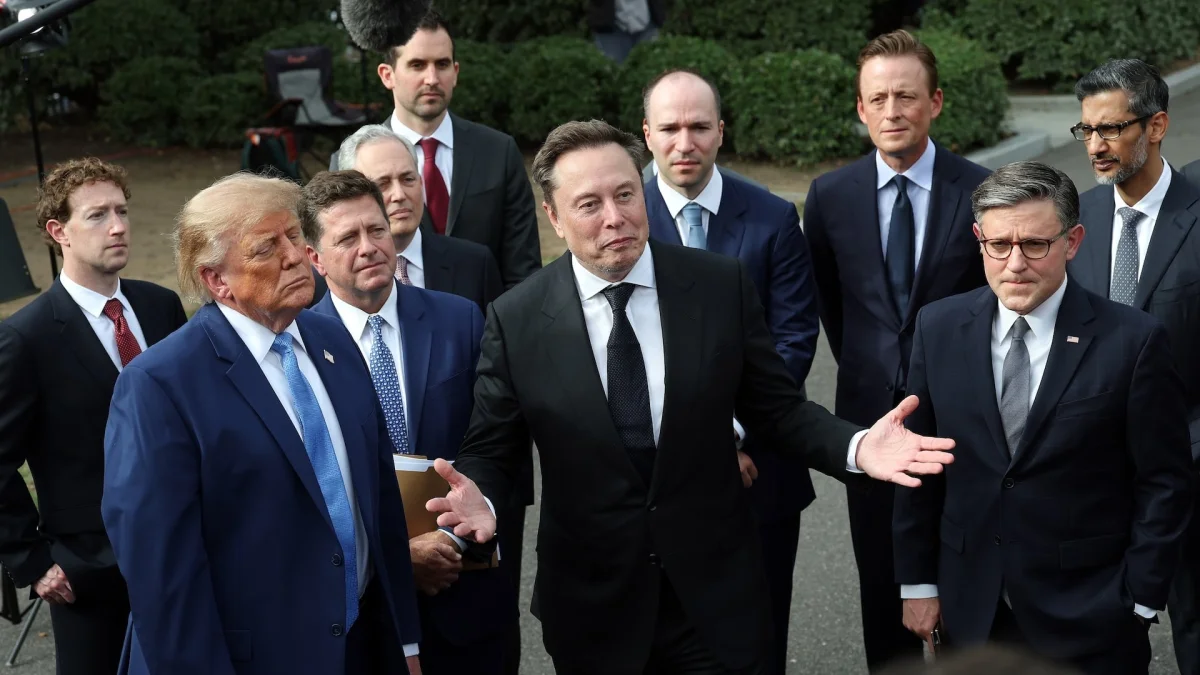
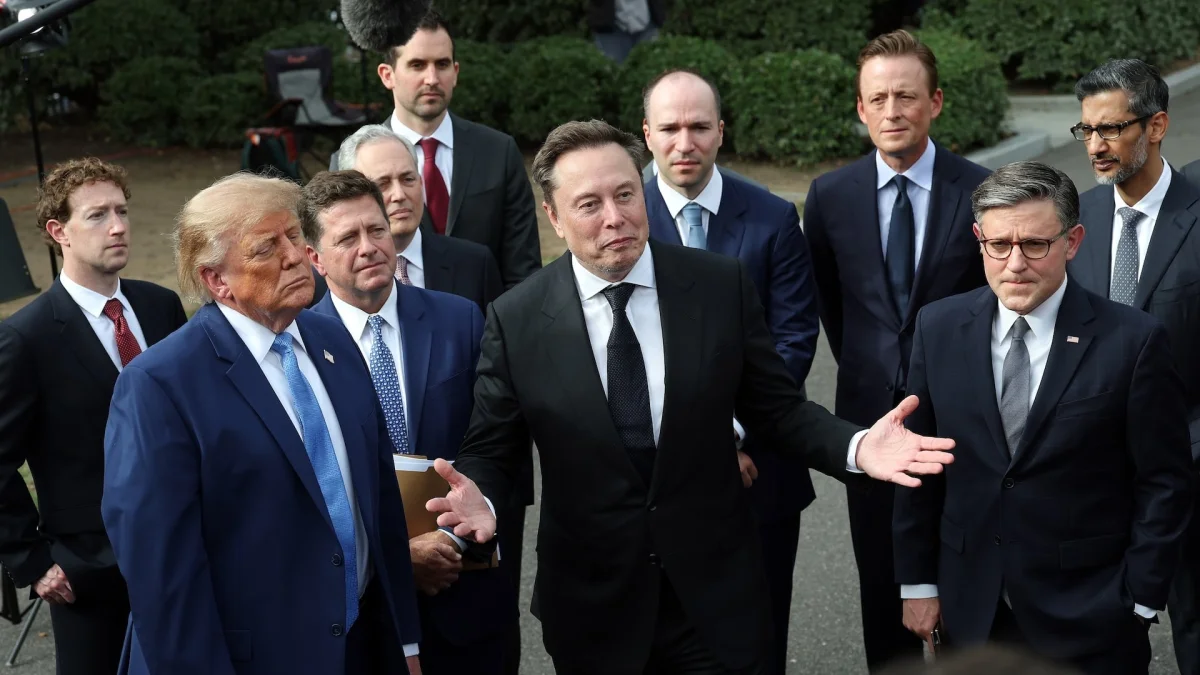
President Trump's recent endorsement of self-regulation amongst these tech firms after convening with industry leaders is telling. He believes such self-imposed standards should oversee AI advancement, all while referencing existing authority in the Justice Department and FBI. However, a robust, unified framework is sorely needed, and Trump's lack of a concrete strategy raises questions about the efficacy of self-regulation.
The AI summit participants collectively signed an AI agreement deemed “morally binding.” Relying on morality to govern such a powerful and potentially dangerous technology is concerning; a genuine commitment is essential, not merely moralistic aspirations.
Potential Catastrophes
Let’s think critically about the ramifications of a significant AI malfunction. The scenarios are alarming: compromised bank accounts, healthcare disruptions, exposed sensitive data, disarrayed supply chains, blackout incidents, and grounding of transportation systems. The response to any such crisis necessitates a coordinated effort across various government entities, ensuring sufficient technical expertise and a leadership dynamic that recognizes the severity of these threats.
Giving due regard to our cybersecurity landscape, significant challenges arise as key agencies struggle with personnel shortages. For instance, under the leadership of FBI Director Kash Patel, the agency has diminished crucial cyber and counterintelligence personnel. The Pentagon has lost over 25 key leaders, including heads of significant cyber divisions, leading to a concerning erosion of operational capacity. Moreover, staffing levels at the Justice Department have diminished by over 10,000 positions, drastically impacting cybersecurity resilience.
Should AI disrupt healthcare systems, consider the grim reality of a diminishing workforce within health agencies. Over the course of a year, the CDC's active civil service workforce has faced a staggering 30 percent reduction. Although remaining staff may possess competence, invaluable knowledge of system vulnerabilities is evaporating, leaving agencies ill-equipped to deal with digital crises when they arise.
As it stands, if AI genuinely embodies the capabilities its developers assert, the potential for exploitation and malfunction is very real. When faced with inefficiencies in government and the relentless advancement of AI technologies, we must confront a critical dilemma: should our fears rest on a malfunctioning AI, or on an industry propelled by profit only and a government entrenched in extensive talent shortages?
This recurring question should fuel our vigilance and persistent discussion around AI safety and regulation.
This article reflects the opinion of its writer.
John Casey is a columnist at Raw Story, the Advocate, Daily Beast, and Outsports. He's also the author of Love: The Heroic Stories of Marriage Equality.


