Reflecting on the Legacy of the 2015 MacBook Pro: A User-Centric Analysis
| Shelf | AI & ML |
|---|---|
| Date in | |
| Readers | 496 |
The enduring appeal of the 2015 MacBook Pro highlights a push for practicality, driving Apple back toward its user-focused design roots in recent models.
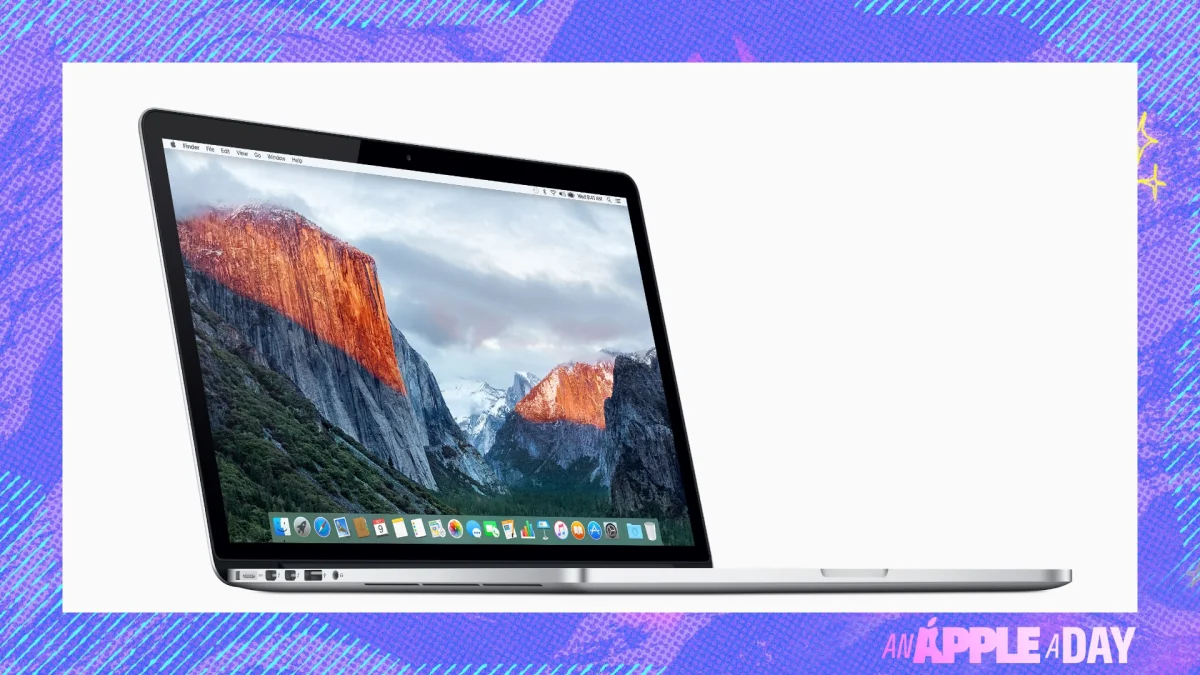
The 2015 MacBook Pro remains a touchstone in the world of laptop design, particularly among professionals who require functionality and reliability. Some products resonate so well with users that any attempt to change them is met with resistance. This phenomenon was clearly visible when Apple transitioned from the 2015 model, widely celebrated for its utility, to the problematic designs that followed. The story of the MacBook Pro serves as a crucial reminder of how important user feedback is in product development.
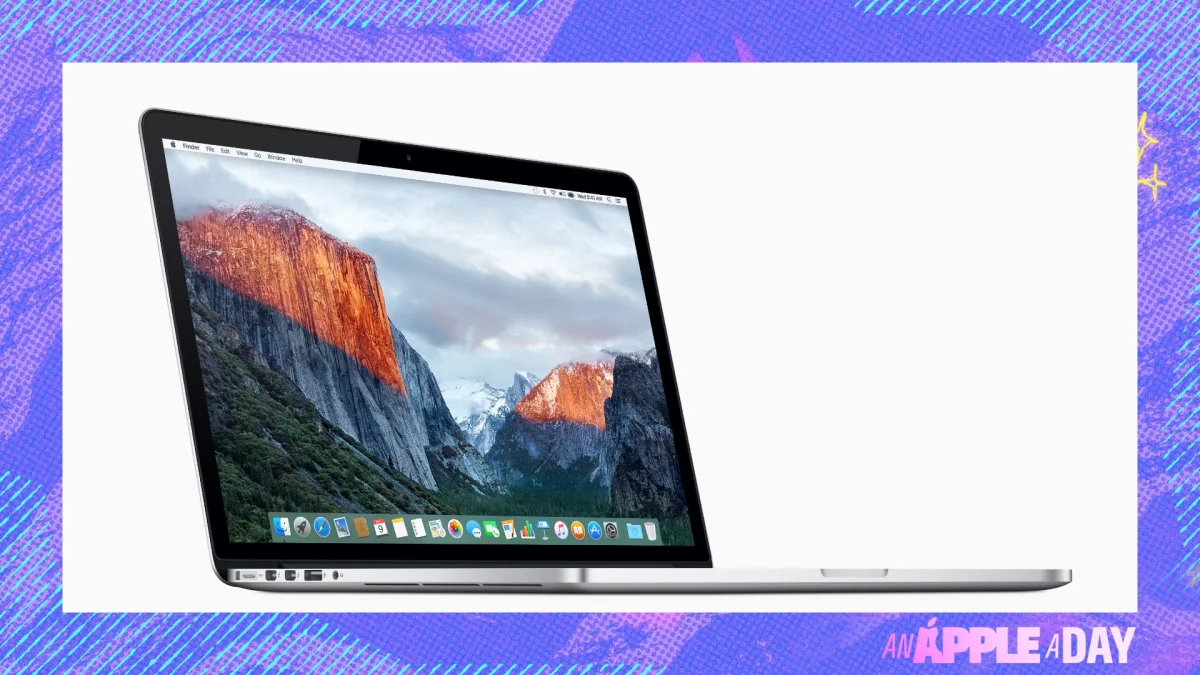
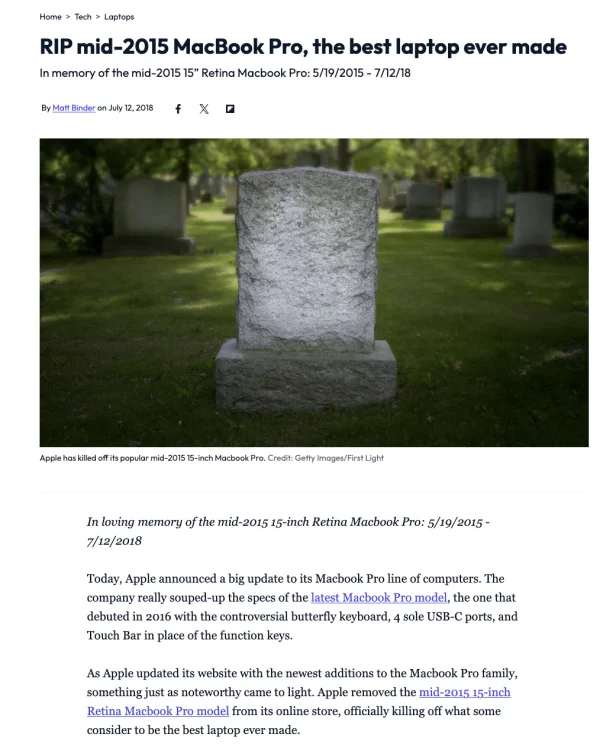
In 2018, Mashable's Matt Binder heralded the mid-2015 Retina MacBook Pro as "the best laptop ever made." This statement resonated profoundly among users, earning the device the nickname "the one with the ports." Users appreciated its diverse connectivity options, including two USB-C ports, two Thunderbolt ports, a MagSafe 2 power adapter, an HDMI port, and an SDXC card slot. This extensive array of options made it an indispensable tool, especially for creatives and professionals reliant on multiple input devices.
In contrast, Apple’s later iterations, which embraced a sleeker design, compromised on this essential connectivity. The introduction of the Touch Bar model aimed to offer a modern twist but fell short in practical application. While the Touch Bar presented new functionalities, many users found them redundant. Its Butterfly keyboard further tarnished the experience, often leading to frustrating typing incidents and increased failures—issues that were deeply criticized by professional users who relied on their devices for work. This stripped-down approach, offering only four Thunderbolt 3 ports, forced many users to depend on dongles for compatibility with legacy devices and peripherals.
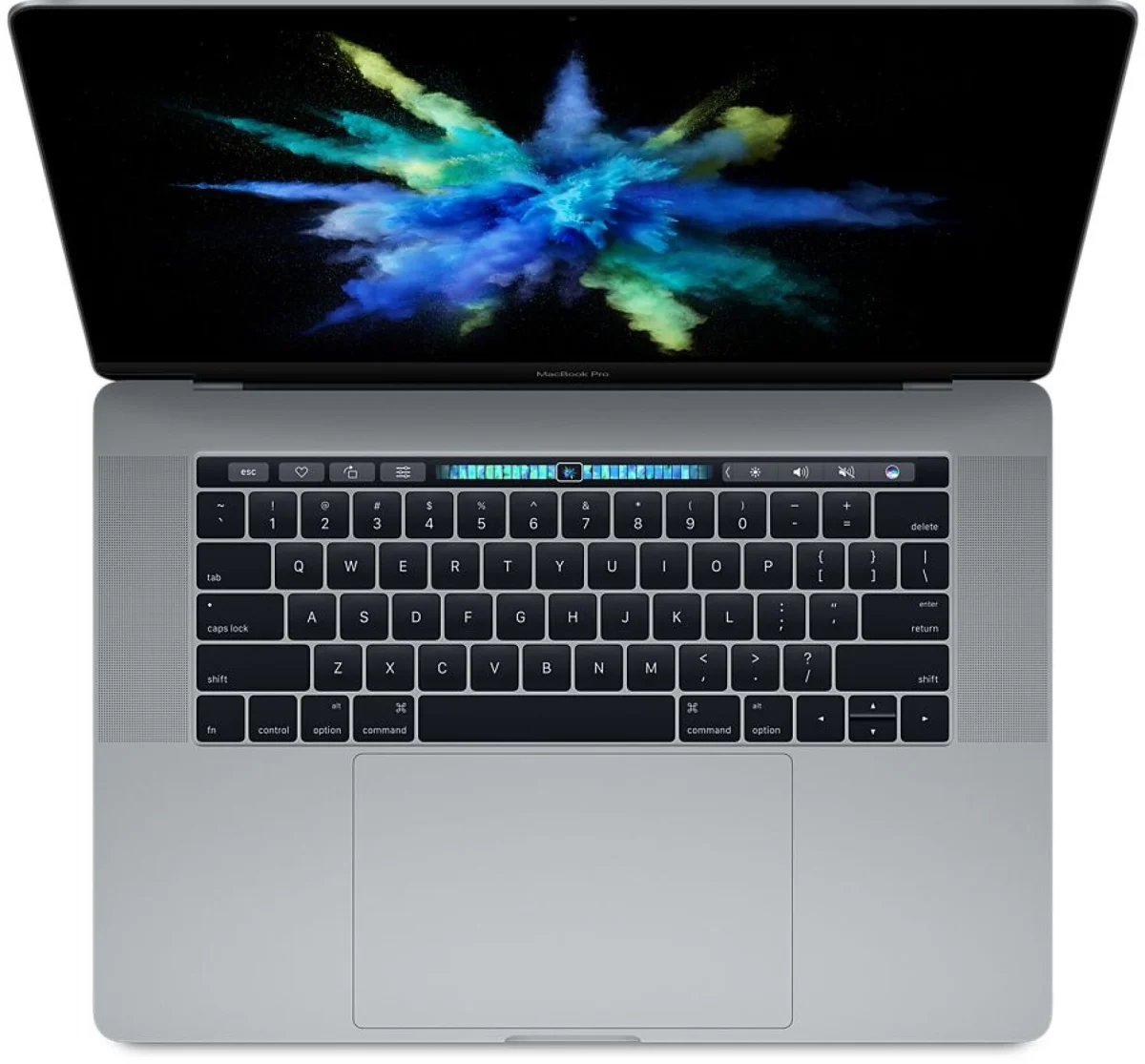
Apple's shift towards design aesthetics over functionality exemplifies a broader trend in tech industry product development, where the allure of slim profiles often comes at the cost of user experience. In pursuit of a thinner and more elegant laptop, Apple seemingly overlooked the critical functionalities that professionals depended on. It's this balance—or imbalance—that can dictate the longevity and success of hardware designs.
Returning to Form: The 2021 MacBook Pro Revamp
Fast forward to 2021, Apple listened to user feedback and re-emerged with a redesigned MacBook Pro that aligned more closely with the expectations set by the beloved 2015 model. The new machines, particularly the 16-inch variant, sported a familiar array of ports, including HDMI and SD card slots, offering a nod to the connectivity that many users had been clamoring for. Additionally, Apple reinstated physical function keys, addressing the long-standing frustration with the Touch Bar.
This revived model not only showcases enhanced performance with powerful processors but also prioritizes user experience through features many professionals had found indispensable. The shift indicates a significant pivot back toward user needs, which may have been spurred by a growing competitive landscape where functionality is becoming the standard rather than the exception.
The significant evolution of the MacBook Pro across these years underscores a vital principle in product design—it's not merely about how sleek or thin a device can be; its value comes significantly from how well it serves the needs of its users. The complaints that piled up against the Touch Bar era ultimately illustrated that the industry often benefits from listening to its customer base.
Current Landscape and Future Implications
As we analyze the trajectory of the MacBook Pro, there are important implications for both consumers and manufacturers. For users, the journey from the 2015 model to the recent releases reinforces the importance of voicing needs and preferences. For companies like Apple, the gradual re-embrace of practical features over aesthetic minimalism signifies a deeper understanding of customer loyalty rooted in product utility.
Looking ahead, the tech landscape will likely continue to emphasize user input in the development phases of new products. Companies need to maintain equilibrium between innovative designs and the core functionalities that users cherish. The journey of the MacBook Pro provides a clear lesson: innovation shouldn't erase the foundation established by user satisfaction —it should enhance it.
In conclusion, the remarkable legacy of the mid-2015 MacBook Pro serves as both a benchmark and a call to action for tech manufacturers. Going forward, it's essential for companies to foster a culture where user feedback shapes development, ensuring that future innovations remain grounded in practicality and responsiveness to professional users' true needs.


