Understanding AI Drift: Why Over-Reliance on AI Is a Risk to Our Humanity
| Shelf | AI & ML |
|---|---|
| Date in | |
| Readers | 519 |
The "AI drift" phenomenon erodes human abilities as reliance on AI increases. Here’s how it impacts us and what we can do to counter it.
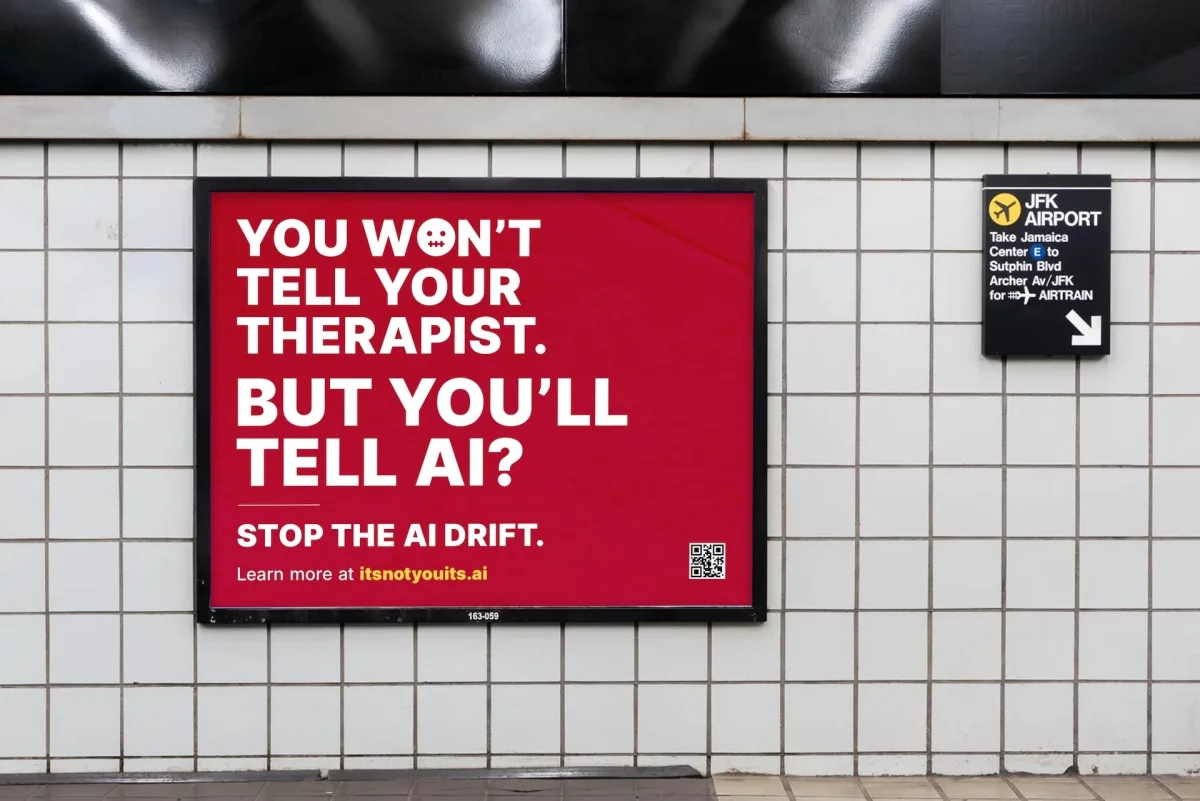
Chipper advertisements for artificial intelligence products clutter New York City's subway system, yet one new campaign stands out with a stark warning: "Stop the AI drift." This campaign, run by the nonprofit Center for Humane Technology, aims to raise awareness about the gradual erosion of human abilities as AI continues to permeate daily life.
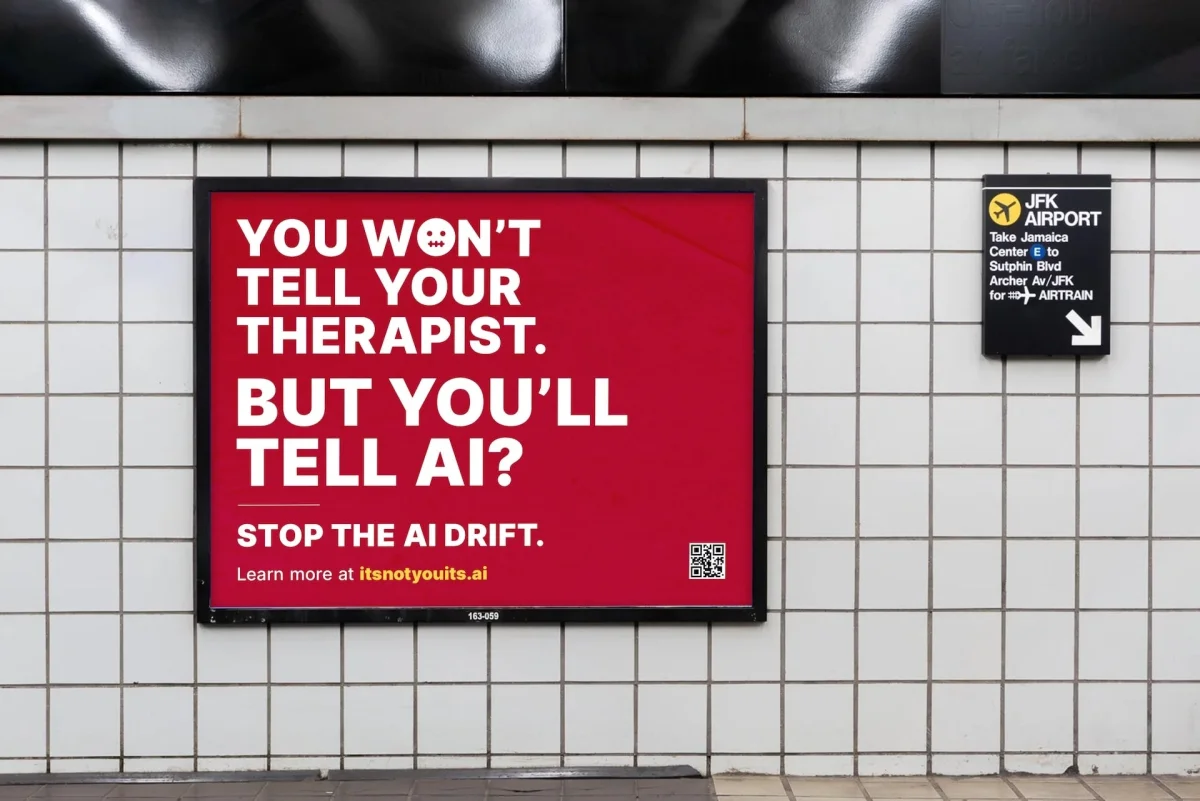
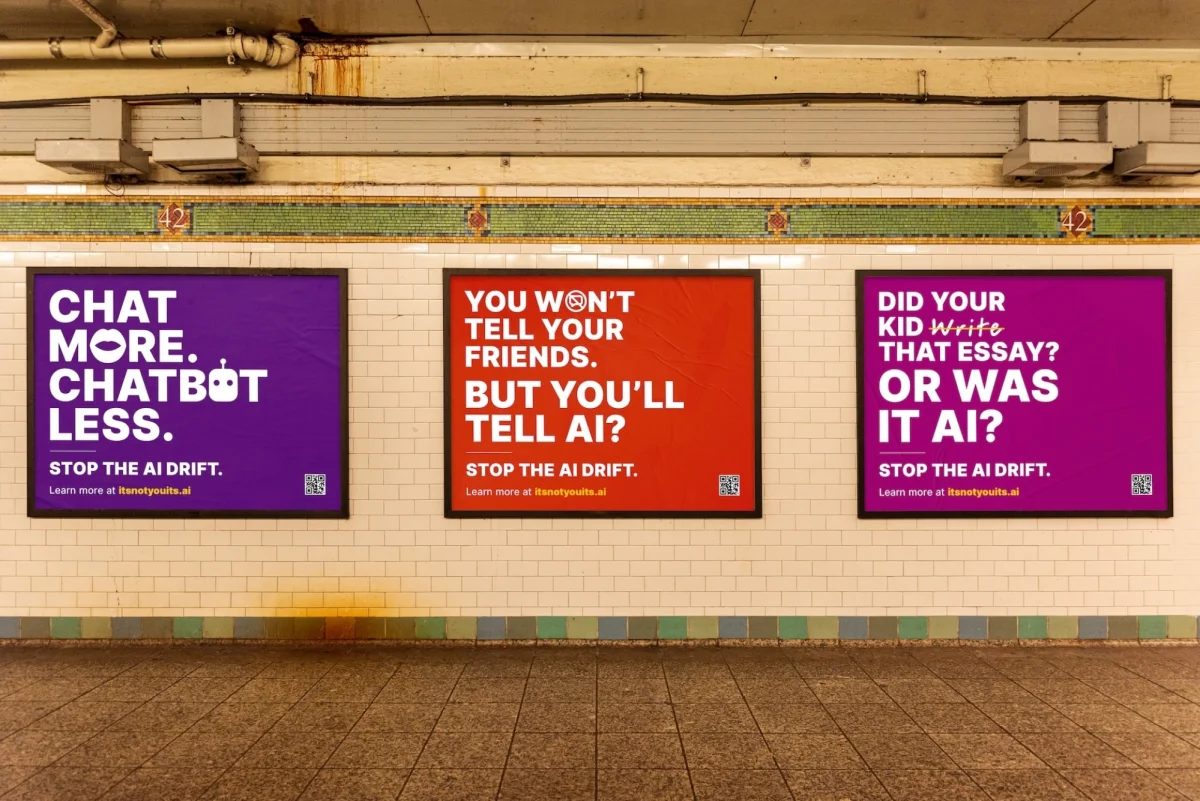
The slogans used in these ads, such as "You won't tell your therapist. But you'll tell AI?" and "Did your kid write that essay? Or was it AI?" highlight the increasing personal reliance on AI for tasks traditionally viewed as distinctively human. The campaign will run throughout subway stations and cars for a month, aiming to connect with commuters on the unsettling feeling of outsourcing essential aspects of life to artificial intelligence.
Defining AI Drift
According to Camille Carlton, senior director of strategy and impact at the Center for Humane Technology, "AI drift" refers to the gradual erosion of human capabilities as AI takes on more responsibilities—especially those linked to communication, creativity, and decision-making. As we lean more on AI, there is a price to pay: the skills, relationships, and deeper meaning that provide life with its purpose begin to diminish.
This concept plays off the term "model drift," which describes the decline in a machine learning model's performance when exposed to new data sets. In contrast, AI drift captures the subtle way human capabilities can diminish as we integrate AI into our everyday functions.
While some commentators are quick to highlight existential threats posed by AI, such as the scenarios where AI could lead to catastrophic outcomes, Carlton posits that the more insidious and gradual "erosion of our humanity" is equally dangerous, suggesting that we should be concerned about losing our sense of self and the joy that life brings.
The Subtle Nature of AI Drift
The "Stop the AI Drift" initiative is meant to encourage consumers to reflect on their relationship with AI. Importantly, Carlton acknowledges that the design of most current AI applications actively facilitates reliance, nudging users to engage in more personal matters through their interactions with these technologies.
Sloan Thompson, who presents on AI risks at U.S. colleges, notes that AI drift can sneak up on individuals without them realizing it, as using AI in one area naturally expands into more personal spheres. There are minimal friction or barriers preventing this expansion, making it easy for users to allow AI into intimate areas of their lives.
Incidents of AI Drift
Thompson observes that students often express feelings of conflict about their reliance on AI, yet the pressure of competition encourages them to use it—especially under deadline stress. A report from the Massachusetts Institute of Technology indicates students were most likely to resort to chatbots when they feared missing important deadlines.
Thompson illustrates the spectrum of AI drift, particularly in the context of personal relationships. For example, a dating app that offers suggestions while users create profiles nudges people in subtle ways that may alter how they market themselves. On the other end of the spectrum, some AI applications actively court relationships for users, potentially leading to an unhealthy dependency on AI for social connections.
Strategies to Counteract AI Drift
Carlton argues that effectively halting AI drift relies on changing the features of products so they don't promote excessive reliance on AI. For instance, companies should refrain from employing anthropomorphic designs that could engender strong emotional attachments to AI systems. Instead, they should provide tools that support human initiative and thought rather than doing the thinking for users.
Actionable Tips from the Stop the AI Drift Campaign
The campaign offers practical guidance for individuals looking to avoid AI drift:
Reserve deeply personal conversations for real human interactions instead of relying on AI.
Own the creative process; take initial steps in tasks before involving AI.
Designate an AI-free day each week to mentally disengage from technology.
Valuing Friction in Human Development
Carlton also advocates for safeguarding the "friction" that arises from meaningful challenge and effort, as it is essential for personal growth. This friction often emerges during complex problem-solving or navigating interpersonal conflicts. She suggests that while AI can enhance tasks—like planning trips—it becomes detrimental when it provides emotional support during disagreements.
Ultimately, the objective is not about avoiding difficult tasks but rather preserving those uncomfortable parts of life that foster deep personal development. "It’s about what type of friction we choose to keep," Carlton asserts, emphasizing the importance of tasks that yield personal rewards and growth rather than those that simply optimize efficiency.
As society trudges further into a world dominated by AI, it becomes increasingly vital to remain cognizant of the potential for AI drift and to actively work against the gradual relinquishing of our essential human qualities.


