Meta’s Settlement: The Cost of Child Safety Advocacy and Future Accountability
| Shelf | AI & ML |
|---|---|
| Date in | |
| Readers | 655 |
Meta's $17 billion settlement highlights ongoing challenges in achieving child safety online, reflecting the profound human toll of advocating for real change in tech policies.
The recent $17 billion settlement reached by Meta in response to claims of inadequate protections for children on its platforms serves as a significant moment in the ongoing struggle for online child safety. However, this figure can be likened to a fence around a deep pit—it may reduce the risk of children falling in, but the pit itself remains.
The Nature of Accountability and Settlement Wins
In the realm of advocating for child safety, full victories are seldom achieved. Families often settle for less, such as monetary compensation instead of a judicial verdict, partial regulatory changes, or design adjustments that don’t roll out by default. While these half-wins have their merits, they come with an emotional toll that true victories do not; they require ongoing public advocacy, which can be harrowing for survivors and families. The process demands that advocates continuously justify their fight and the costs incurred to secure even these incremental changes.
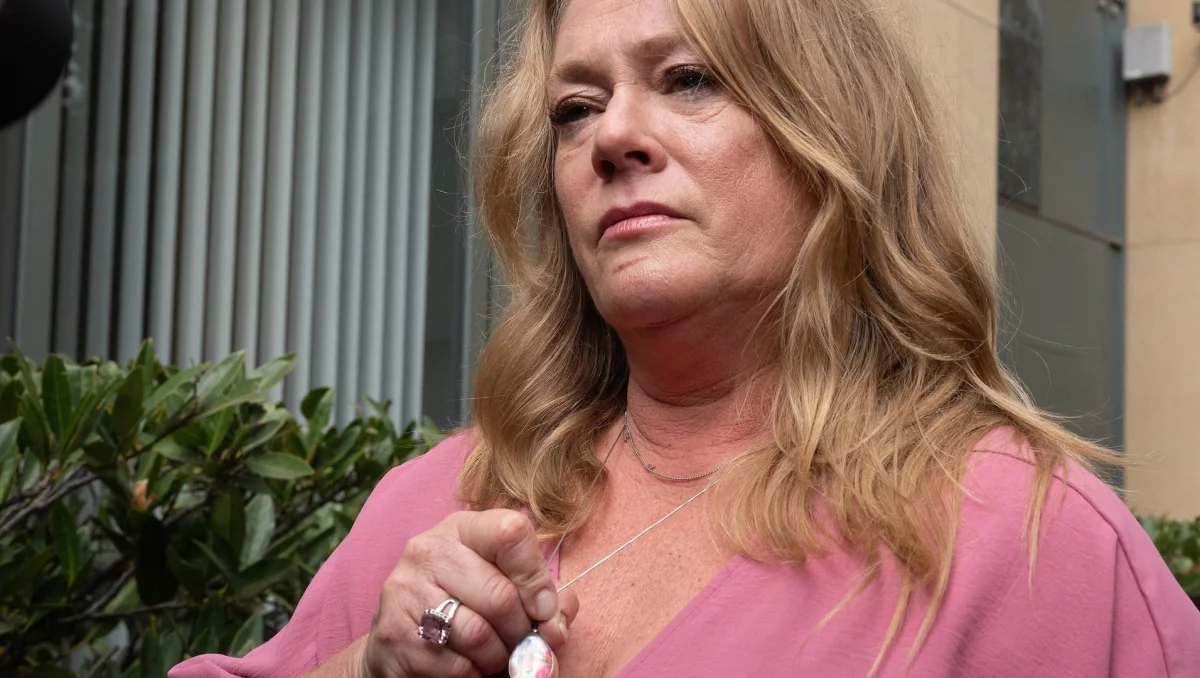
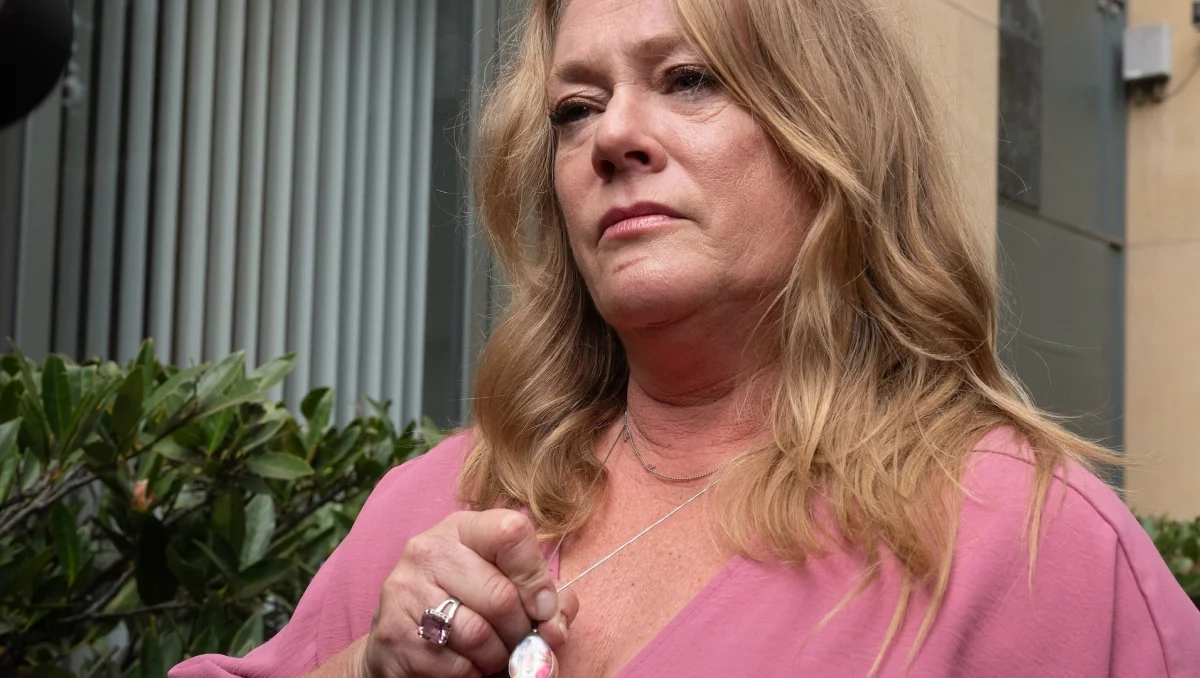
At a press conference outside the federal courthouse in Oakland, families affected by these issues—including Lori Schott, Victoria Hinks, and others—shared their stories, recounting the anguish of losing a child. For many, this required reliving trauma for a brief soundbite on media outlets, where the complexities of personal loss take a backseat to catchy headlines and settlement figures.
Beyond Settlement Figures
The $17 billion settlement from Meta includes budgetary allocations for age-assurance technologies and independent audits. However, it lacks recognition of the costs borne by families who must endure the public scrutiny—time and time again—to make their voices heard. The emotional labor of recounting personal tragedies on camera is absent from any financial settlement. Instead, it’s a reality endured by these families in hopes that their sacrifices will lead to meaningful change.
The exhaustion of ongoing advocacy is palpable. Settlements put the onus on bereaved parents to demonstrate the merit of their fight continually, often without any real changes to the core business practices that contribute to these tragedies. Advocates face the daunting task of pushing for an accountability model that not only rectifies past wrongs but also prevents future harm by rethinking the very business structures that prioritize engagement at the expense of safety.
Legislative Changes in California
In response to these concerns, California has enacted laws aimed at curbing the pervasive issues surrounding child safety online. Assembly Bill 1709, signed into law recently, mandates tech companies to avoid deploying addictive features to users under the age of 16. This approach shifts the focus from broad content bans to design restrictions, ensuring platforms cannot serve the same engagement-driven strategies to minors as they do to adults.
Another important piece of legislation, AB 2, imposes financial liabilities on large platforms, with potential penalties reaching up to $1 million per child injured due to negligence in design. This new framework ensures accountability scales with the number of affected children, presenting a significant departure from previous settlements that permitted bulk negotiations.
Together, these laws create a proactive environment for ensuring safety rather than a reactive framework that treats harm after it occurs. They force companies to adapt their business models in a way that directly addresses the root causes of online dangers.
Changing the Business Model
Unlike a typical settlement with finite oversight, these legislative initiatives insist on permanent behavioral changes from companies. The adjustments come not as temporary measures subject to lapsing consent decrees but as legislative mandates that stand long-term. Therefore, when parents advocate for these laws, they engage in a singular effort to ensure protections that endure beyond immediate news cycles.
While advocates testify for systemic changes in safety regulations, companies like Meta simultaneously lobby for exemptions. Reports indicate that Meta is attempting to negotiate terms to escape the liabilities outlined in AB 2, investing considerable resources—over $4.6 million in lobbying in the last year—to shape legislation in its favor. This juxtaposition of advocacy for child protection against costly lobbying efforts tells a story of company priorities that continues to favor profit margins over social responsibility.
The Future of Child Safety Accountability
The legislation in California marks a pivotal turn in the fight for accountability. While the $17 billion settlement appears significant, it masks the persistent and deeper issues of child safety and corporate accountability. Advocacy for regulations around the design of digital products that seek to keep minors engaged cannot remain a peripheral effort subject to negotiation. Instead, this is a culture shift that seeks to prioritize user safety at its core rather than merely managing stories or reputations.
As such, the work ahead demands a firm commitment to dismantling the business models that brought so much grief to these families. In a landscape where companies can still leverage a history of exploiting user engagement under the guise of accountability, it’s essential to prioritize robust protections that ensure children’s safety is non-negotiable.
The ongoing fight for accountability in tech requires an awareness of the costs borne by individuals who lay bare their pain in pursuit of systemic change. Their sacrifices deserve more than fleeting headlines and half-measures—they warrant real transformation in how digital platforms operate.
This article represents the opinions of its author.
Lennon Torres is a former Dance Moms performer now fighting for young people’s safety online. A trans activist and University of Southern California alum, she uses her pop-culture fluency and lived experience to power her work at the Heat Initiative, taking on tech giants and demanding platforms to protect and empower the next generation.


