The Evolving Role of the iPad Pro: Powerful Yet Not a Laptop Replacement
| Shelf | AI & ML |
|---|---|
| Date in | |
| Readers | 982 |
The iPad Pro, launched in 2018, made significant strides in power and design but hasn't replaced traditional laptops for many users.
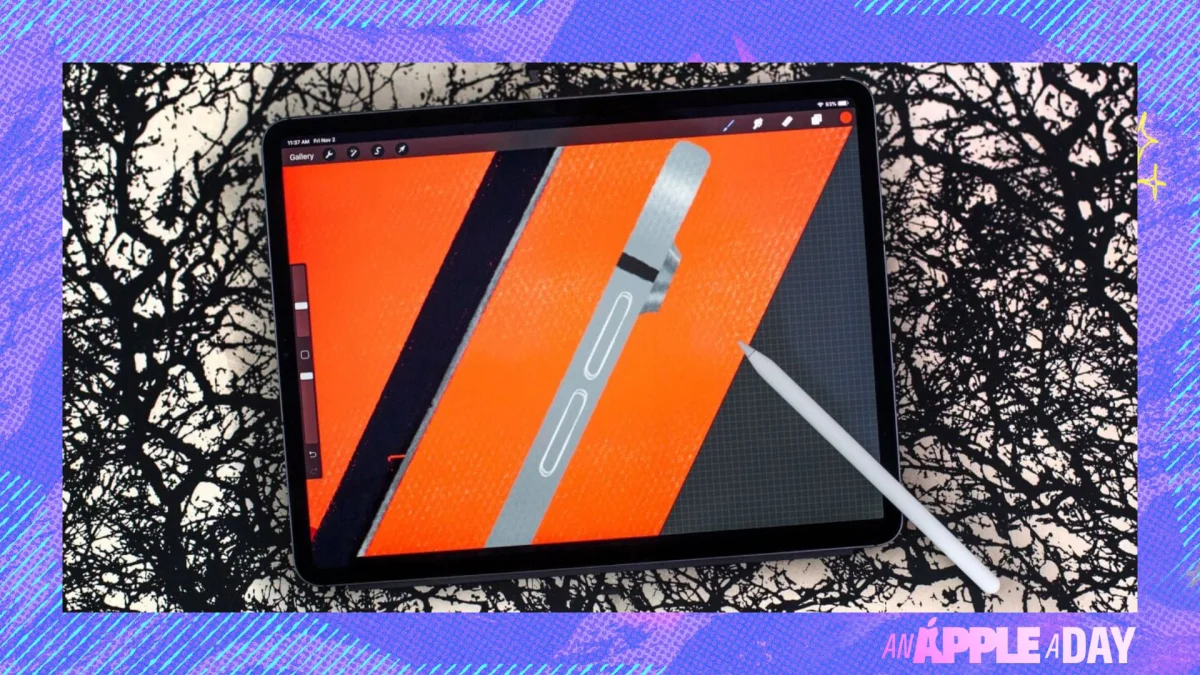
Since its initial release in 2015, the Apple iPad Pro has evolved into a compelling device aimed at professionals. The 2018 version brought unprecedented power and features, leading many to speculate whether it could fully replace traditional laptops. Despite its advancements, a complete shift away from laptops seems unlikely, and a deeper look offers insights into why this is the case.
What Changed: Key Features of the 2018 iPad Pro
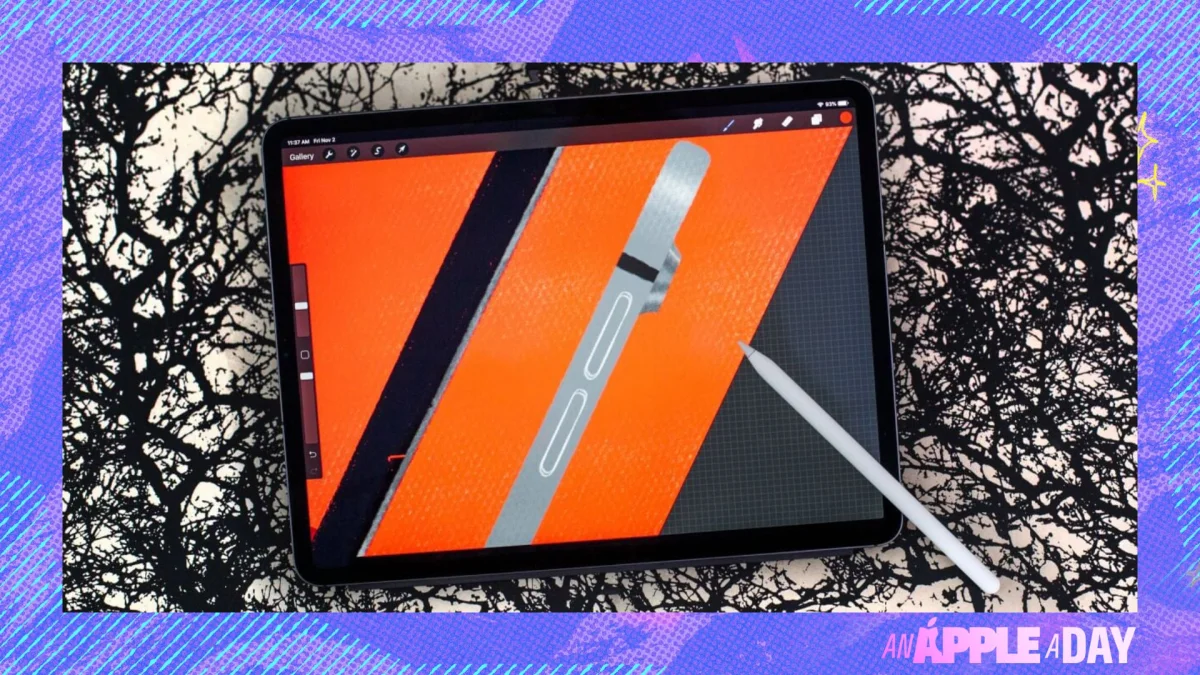
The third-generation iPad Pro received notable enhancements, establishing itself as a serious work machine. Apple replaced the Lightning connector with a USB-C port, allowing for easier connectivity and accessory options. Additionally, the device featured larger, brighter displays and for the first time, incorporated Face ID technology instead of the conventional Touch ID that older models utilized. Powering these advancements was Apple's A12X Bionic chip, which offered performance capabilities that surpassed many laptops of the time, and the option for up to 1TB of storage made the device more versatile.
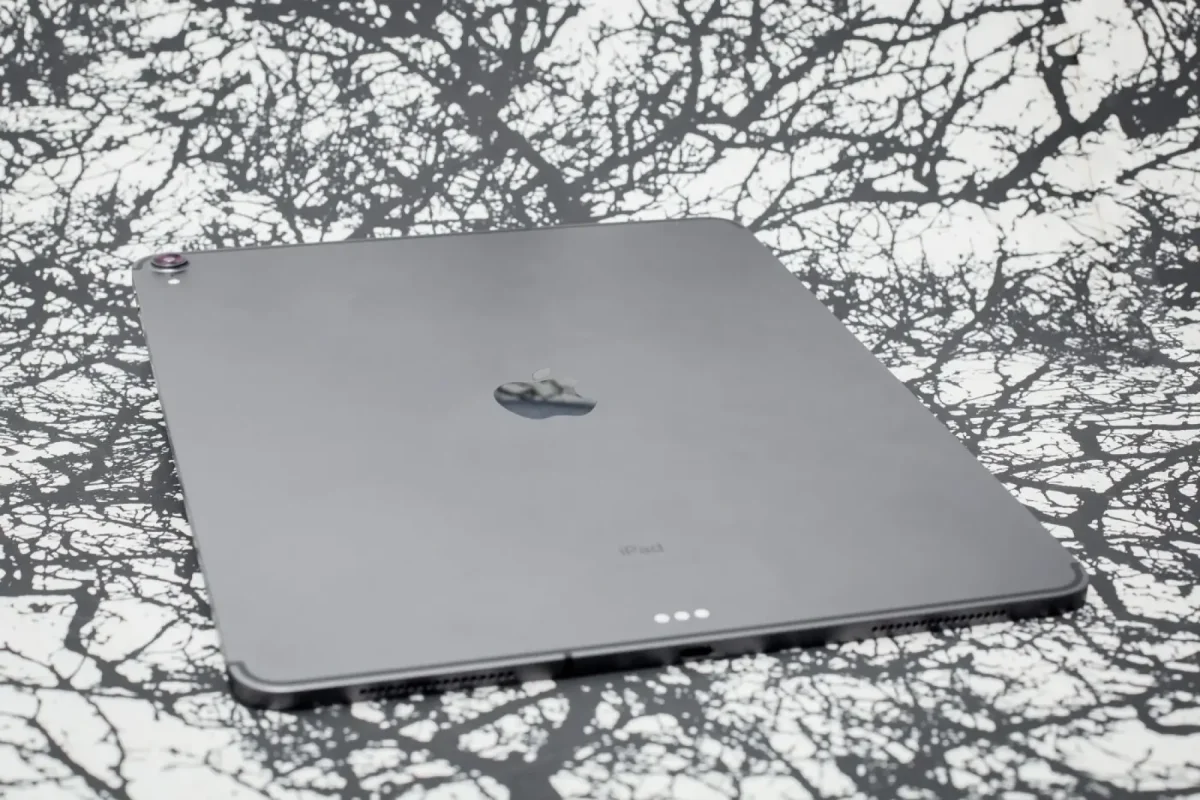 Impossibly thin, yet powerful. Credit: Raymond Wong/Mashable
When paired with the Magic Keyboard, the 2018 iPad Pro transformed into a formidable contender, blurring the lines between tablet and laptop. Offering substantial computing power within an impressively thin form factor, it gave the impression of a high-end laptop. However, despite its capabilities, many professionals found themselves hesitant to make the leap from their traditional setups.
Why the Laptop Still Rules
Despite the advancements made, many users, including Apple enthusiasts, continue to rely on their MacBooks or other laptops. A key factor contributing to this persistence is the difference between iPadOS and macOS. Although Apple has made strides in improving multitasking and file management on iPadOS, it hasn’t reached the same level of ease and functionality that macOS users expect. The inability to file manipulate efficiently can stifle workflows, making the transition less appealing.
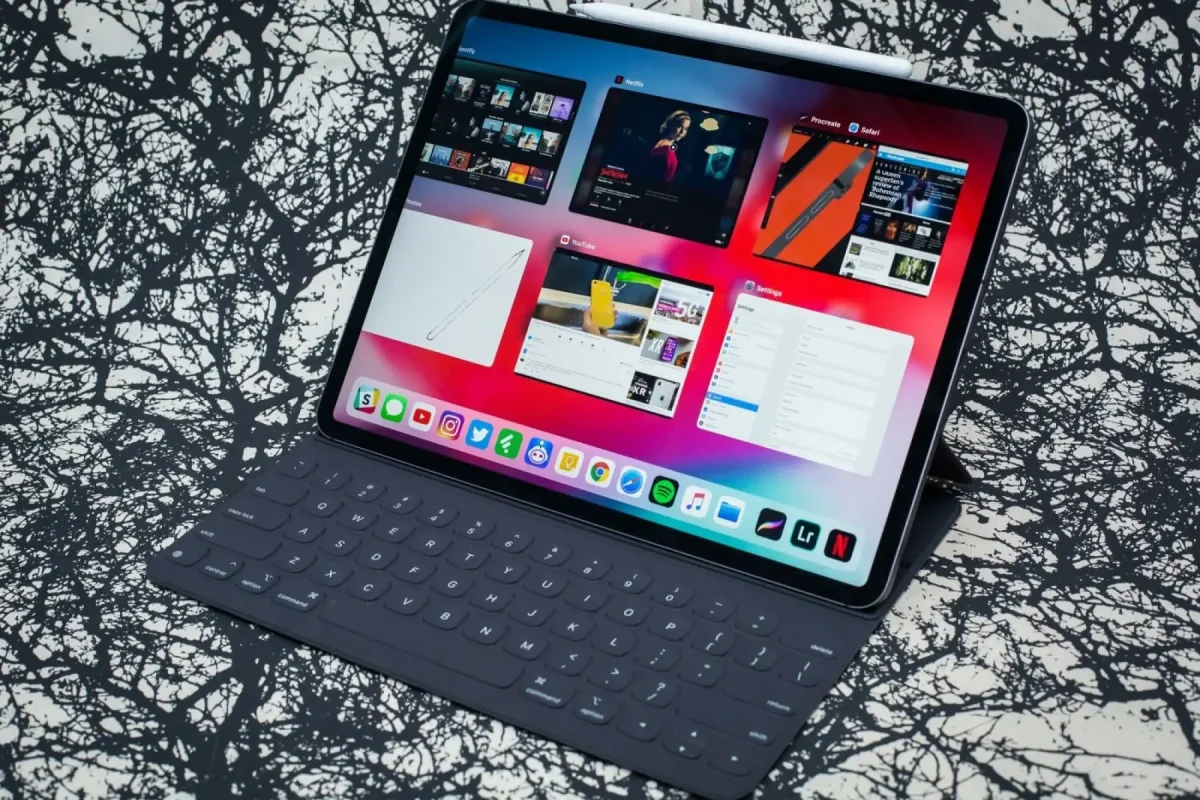
While the Magic Keyboard is a commendable accessory, it hasn't replicated the tactile experience offered by MacBook keyboards. Users report that it lacks the same level of comfort and feedback, contributing to the reluctance to fully commit to the iPad as a primary device.
Cultural Resistance and Usage Contexts
Another critical element in understanding why laptops continue to dominate is human preference. Most users have become accustomed to the traditional laptop setup, which has evolved into a familiar and comfortable work machine. The learning curve associated with adapting to a new device can deter many from making the switch. This is not purely technical but psychological; the habits formed around laptop usage are deeply ingrained in daily routines.
In practice, the iPad Pro shines in contexts that align with its intended purpose: media consumption, casual gaming, and light productivity tasks. It's not uncommon for users to reach for the iPad when relaxing on the couch or casually browsing the internet. However, when it comes to intensive work or tasks requiring robust multitasking, many gravitate back to their laptops.
A Powerhouse without a Full Mission
With the iPad Pro remaining an overpowered device relative to its daily uses, one has to acknowledge this situation as a unique flaw. The impressive chip and storage capabilities stand ready to handle demanding tasks, yet most users may never tap into that full potential. This disproportionate power-to-need ratio indicates that the device is, in many ways, more ahead of its time than its utility suggests.
Apple appears committed to the iPad Pro concept, envisioning it as a combination of tablet and laptop targeted at creative professionals. Rumors indicate more advancements slated for early 2027, suggesting that Apple intends to refine and improve upon its previous iterations. While I personally doubt I will replace my MacBook with an iPad Pro anytime soon, I acknowledge the value it brings to the table, bridging gaps between devices.
 Credit: Mashable
Final Thoughts
The 2018 iPad Pro was a significant leap in tablet technology, yet it highlights the complex relationship between tablets and traditional laptops in the professional space. As both categories evolve, user habits and comfort levels play pivotal roles in adoption. The potential of the iPad Pro continues to beckon, and while many may remain loyal to laptops for now, its existence is a welcomed evolution in the tech landscape.


