John Ternus Steps Up as Apple CEO: Examining the Transition from Tim Cook
| Shelf | AI & ML |
|---|---|
| Date in | |
| Readers | 898 |
Tim Cook has officially passed the CEO reins to John Ternus, marking a new chapter for Apple as Ternus prepares for key product launches.
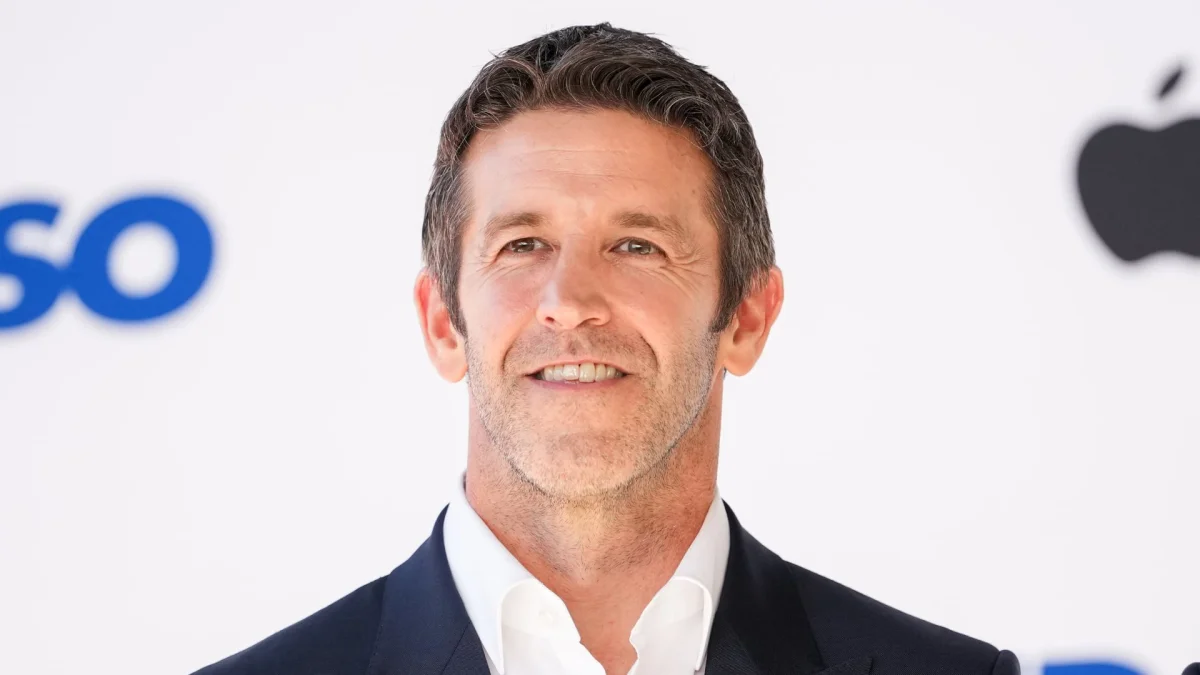
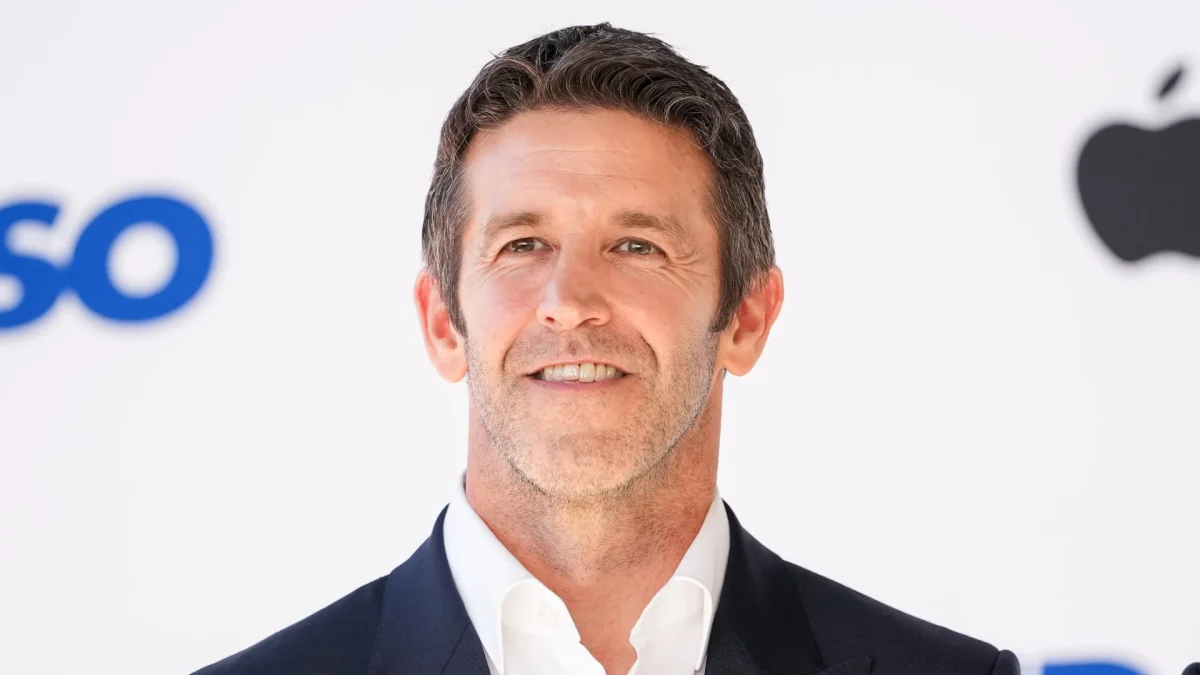
With the transition of leadership at Apple, the company embarks on a fresh chapter under the guidance of John Ternus, replacing Tim Cook as CEO. This change took effect on September 1, 2026, bringing long-awaited speculation to fruition. Ternus, a veteran of Apple since 2001, previously served as the senior vice president of hardware engineering, making him a well-acquainted figure in Apple's high-stakes environment.
The Legacy of Tim Cook
Tim Cook’s tenure at Apple will undoubtedly be remembered as a significant period in the company’s history. Assuming leadership after the passing of co-founder Steve Jobs in 2011, Cook has driven Apple to achieve unprecedented success, elevating its market valuation into the multi-trillion-dollar realm. His approach to innovation and product development fostered a stronger emphasis on holistic integration of hardware and software, establishing a cohesive user experience across devices.
In a farewell memo to employees, Cook expressed gratitude for his journey with Apple, emphasizing the company's culture of responsibility and community. He articulated, “This place is proof that culture triumphs over everything,” reflecting on the ethos that has propelled Apple’s success while seeking to leave a positive mark on the world. Post-resignation, he will continue to hold significant influence as the executive chair on Apple’s Board of Directors.
John Ternus: Qualifications and Expectations
As Ternus steps into the CEO role, his extensive background in hardware engineering positions him uniquely to lead the company, especially with Apple’s upcoming product launches. Having been intimately involved in pivotal projects, Ternus has developed a profound understanding of how to balance consumer expectations with technical feasibility. His experience will be particularly critical as the company prepares for its much-anticipated September 9 event, where new iPhones, Apple Watch models, and possibly other devices will be unveiled.
Ternus's leadership style, heavily driven by engineering principles, suggests that upcoming announcements may emphasize innovative hardware enhancements and integrations within Apple's product ecosystem. The challenge will be to maintain the product quality and revelatory marketing approaches that have characterized Cook's era while possibly reintroducing a more engineering-focused narrative.
Implications for Apple’s Future
The transition from Cook to Ternus raises intriguing questions about Apple’s future direction regarding its product strategy and corporate ethos. While Cook was known for his strategic partnerships and business acumen, Ternus is likely to push the envelope on technical innovation and operational efficiency. His engineering background might lead Apple to explore more experimental product lines or enhancements that potentially defy current market trends.
Moreover, Ternus's elevation could influence how Apple approaches sustainability and environmental responsibility. Under Cook, Apple made strides in this area, committing to carbon neutrality by 2030. It’ll be interesting to see if Ternus enhances these efforts, perhaps applying engineering breakthroughs to further elevate Apple's green initiatives.
Challenges Ahead and What to Watch For
While Ternus's ascent positions him as a well-prepared leader, he faces considerable challenges. The competitive landscape in technology remains fierce, with rivals innovating rapidly. Ternus will need to not only keep Apple’s existing lineup fresh and appealing but also carve out new markets, especially as emerging technologies such as augmented reality and artificial intelligence continue to reshape consumer expectations.
Additionally, Apple's historical struggles with production delays and supply chain issues may require Ternus's direct intervention, especially as the global economic environment remains unpredictable. His engineering expertise might enable him to tackle systemic inefficiencies more aggressively than his predecessor.
As we look ahead, the September product launch will serve as a critical indicator of Ternus's vision for Apple in practice. Anticipated announcements in hardware upgrades or innovative features could provide clarity on his strategic priorities and how they diverge from Cook’s approach. Stakeholders will be keenly observing both the immediate outcomes of Ternus's leadership and the longer-term shifts he might instigate.
In the grand scope of Apple's trajectory, the transition to Ternus represents not just a change in leadership, but potentially a shift in the company’s operational focus and long-term vision. For industry professionals and stakeholders alike, the next few quarters will be instrumental in revealing how Ternus intends to define his legacy at one of the world's most impactful tech companies.


