OpenAI and Apple Engage in Courtroom Drama, as OpenAI Leverages Public Discourse
| Shelf | AI & ML |
|---|---|
| Date in | |
| Readers | 562 |
OpenAI confronts Apple's lawsuit with a public blog post, challenging claims and sharing details that reveal the complexities behind corporate legal disputes.
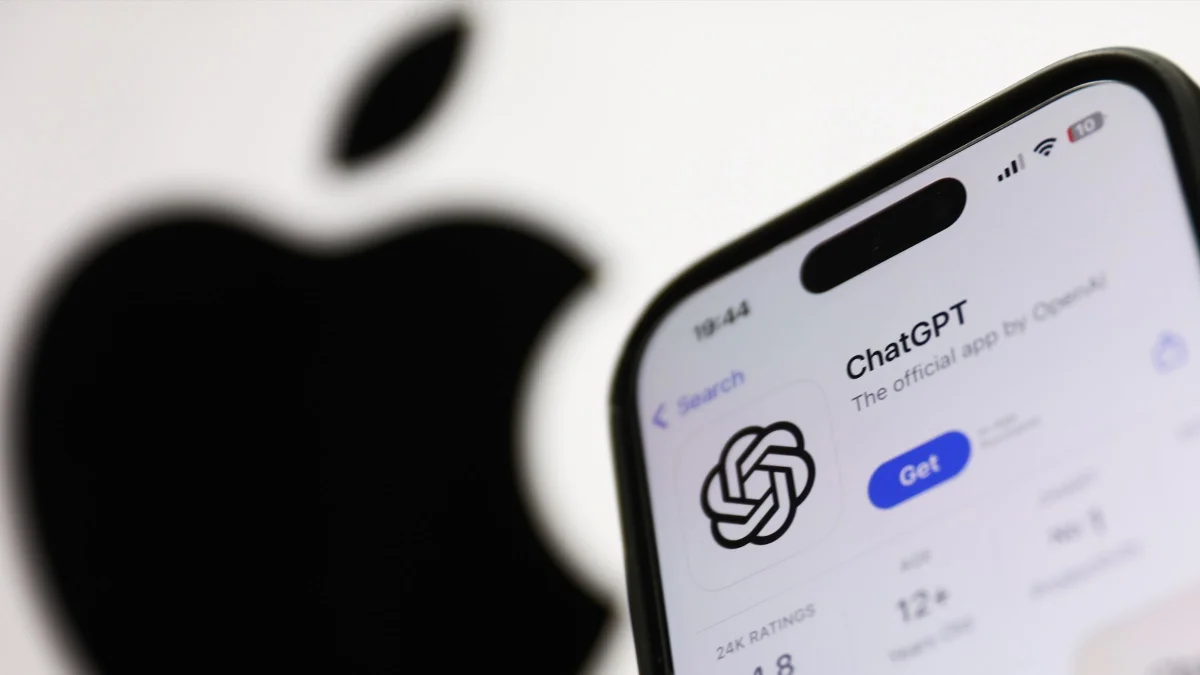
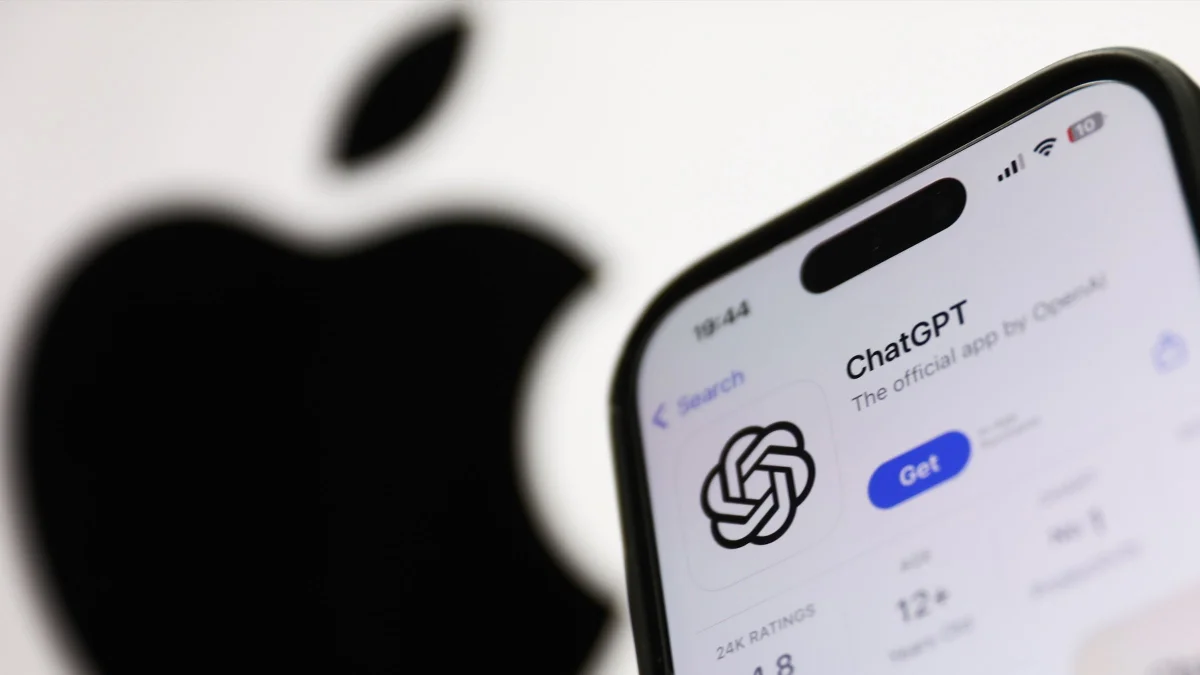
In July, Apple accused OpenAI of improper tactics in its talent acquisition strategy, citing the hiring of former employees and claiming trade secrets were misappropriated. The legal action, dubbed Apple Inc. v. Liu, was filed in the U.S. District Court for the Northern District of California. The lawsuit specifically names both OpenAI's commercial and nonprofit divisions, alongside former Apple engineer Chang Liu and OpenAI’s Chief Hardware Officer, Tang Yew Tan.
In a detailed retort, OpenAI responded publicly to Apple's allegations via a blog post on August 3, aimed at countering the narrative surrounding the lawsuit. This move shifts the battleground to the public sphere, where OpenAI has included what it claims to be significant textual evidence contradicting Apple’s assertions. The post aims not only to defend OpenAI’s position but also to reshape public perception, an unconventional approach for a company traditionally bound by legal constraints.
Clarifying Allegations
OpenAI's blog post, titled "Apple is getting this wrong," details frustrations with Apple’s legal representation. OpenAI highlighted a miscommunication where Apple's legal team initially reached out to an incorrect employee, citing confusion over names. In its lawsuit, Apple had claimed a lack of response from OpenAI when, according to the AI company, the wrong point of contact was approached.
Following this, OpenAI pointed out that Apple misrepresented facts related to conversations with its General Counsel, which Apple later acknowledged never took place. The blog post echoes a sentiment that clearer communication could have avoided stepping into litigious waters, with OpenAI expressing a willingness to discuss concerns before escalating to court.
The Implications on Knowledge Transfer
The backdrop of this legal conflict underscores a critical aspect of the tech industry: the aggressive competition for talent. Companies like Meta, OpenAI, and Anthropic are engaged in a fierce arms race, with reports suggesting that financial incentives have reached new heights, including signing bonuses that push the envelope to around $100 million.
In an era where skilled engineers and product managers are instrumental in driving innovation, non-disclosure agreements (NDAs) become a focal point. Employees often sign stringent NDAs to safeguard proprietary information. If Apple succeeds in proving its allegations, it could reinforce the necessity for clear boundaries around intellectual property in corporate talent moves.
OpenAI’s insistence on transparency, as portrayed in its blog post, could potentially reshape how similar disputes are managed in the public arena. The claim that some Apple employees reached out to Liu post-employment to solicit assistance in locating proprietary information introduces complexity. If true, this may challenge assumptions about knowledge transfer between tech entities.
Reputational Risks and Strategies
The stark contrast between Apple's discreet legal maneuvering and OpenAI's openness illustrates differing corporate strategies. While Apple employs a traditional legalistic approach, OpenAI leverages its considerable public profile, potentially heightening engagement from consumers and stakeholders. This strategy allows OpenAI to utilize public sentiment as part of its defense, changing the stakes of the litigation beyond just legal proceedings.
That said, leveraging public discourse also invites additional scrutiny and carries its own risks. OpenAI runs the risk of alienating certain audiences if perceptions shift negatively during the protracted legal process. This approach requires a careful balancing act: engaging the public while also maintaining credibility and trust.
What Lies Ahead
As the case unfolds, both companies will likely face challenges in navigating their narratives. For OpenAI, addressing the legal situation without compromising its public image becomes imperative. The public’s response to this drama may ultimately inform the outcome not just of this specific lawsuit, but also set precedents for future corporate interactions in the tech sector.
In conclusion, the ongoing rivalry between Apple and OpenAI presents a case study in modern corporate dispute resolution strategies. The implications extend beyond this specific situation, underscoring the need for clarity in talent acquisition practices and the management of intellectual property. As this legal entanglement progresses, the tech community will undoubtedly be watching closely for insights that could shape future norms in industry practices.


