Apple Intelligence Launches in China Amid EU Delays
| Shelf | AI & ML |
|---|---|
| Date in | |
| Readers | 722 |
Apple's AI features are set to debut in China while still facing uncertainty in the EU due to regulatory challenges.
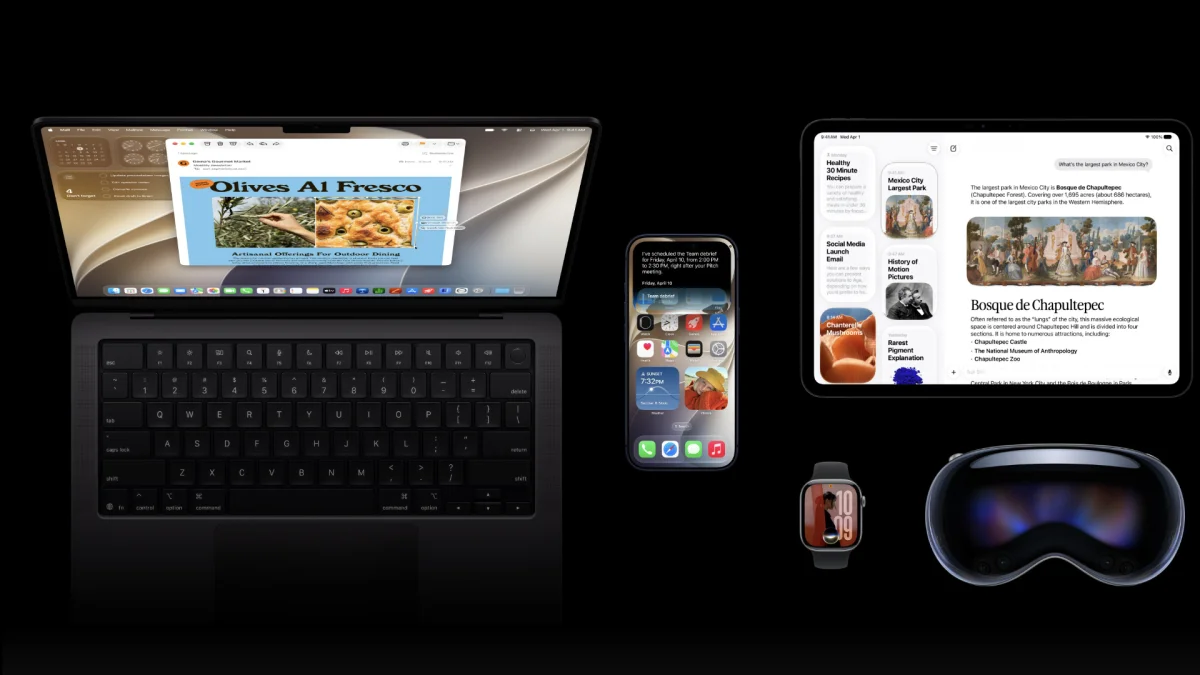
In June, Apple unveiled significant enhancements to its Apple Intelligence suite, sparking enthusiasm among tech enthusiasts. However, these upgrades also came with the notable qualification that they couldn't be utilized in the European Union or China. Recent developments have shifted this landscape, particularly for users in China, as Apple has now received regulatory clearance for its AI features.
Regulatory Approval in China
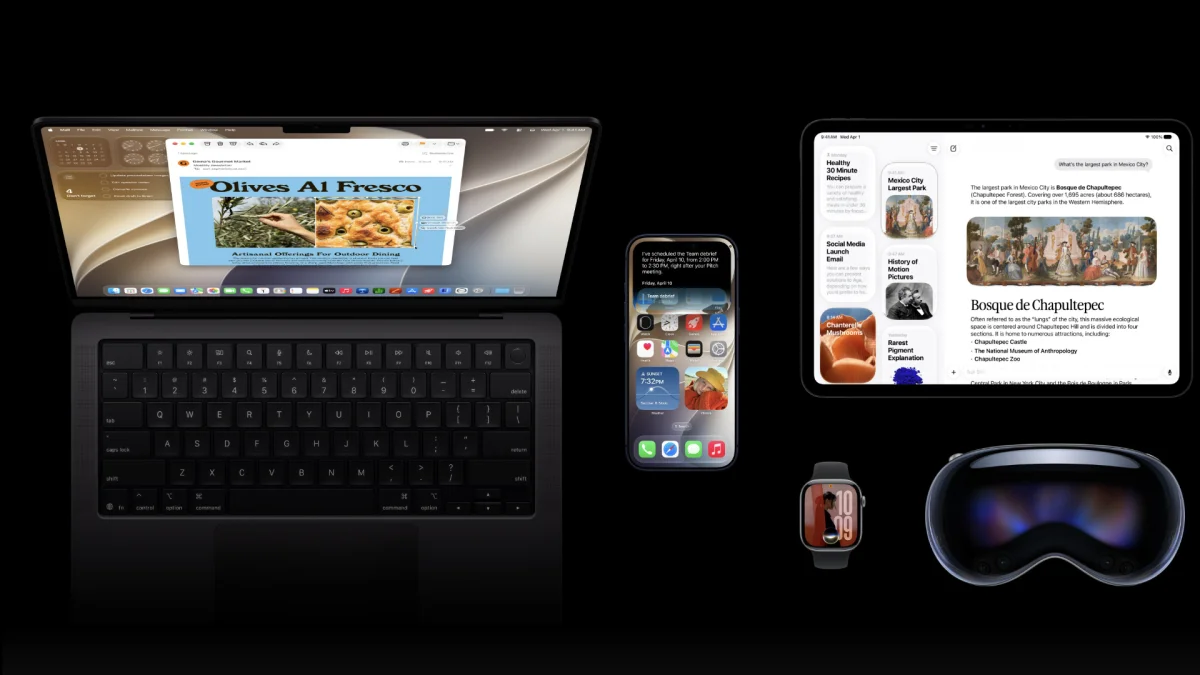
Reports confirm that Apple Intelligence is officially registered with China's cyberspace regulator, paving the way for implementation in the iOS 27 release. The anticipated features are currently in beta testing, indicating a potential public launch in September, coinciding with the official rollout of iOS 27. However, specifics about the launch timeline remain absent as the regulator has not provided a firm date for when users can begin utilizing the new functionalities.
To further enhance the capabilities of Apple Intelligence, Apple has entered partnerships with major Chinese tech corporations. Notably, Alibaba’s Qwen AI model will be integrated into Apple devices such as iPhones, iPads, Macs, and Vision Pro in China. This integration highlights Apple's strategy to collaborate with local companies to enhance system performance and align with regional user needs.
Similarly, Baidu is also on board, working with Apple to fine-tune the AI functionalities available to iPhone users in China. These collaborations suggest that, in contrast to the EU's regulatory hurdles, Apple is eager to establish a firm presence within the Chinese technology ecosystem, leveraging local expertise to provide robust AI capabilities.
Challenges in the European Union
The situation stands in stark contrast to the company's position in the European Union, where the rollout of Apple Intelligence features remains mired in uncertainty primarily due to compliance with the Digital Markets Act (DMA). The DMA aims to ensure fair competition in digital markets by imposing stricter regulations on large tech companies.
Apple has acknowledged these challenges, stating that there is currently no timeline available for the release of Siri AI functionalities for users on iOS and iPadOS in the EU. This delay is particularly concerning for European customers who have been anticipating similar advancements in their devices.
Understanding the Technology Behind Apple Intelligence
Apple Intelligence is a collection of AI-driven features designed to enhance user experiences across various devices. The technology leverages machine learning algorithms and natural language processing to provide context-aware suggestions, automate routine tasks, and facilitate advanced interactions with users. Apple's approach emphasizes privacy and user control, features that resonate well in the context of regulatory scrutiny in regions like the EU.
In implementation, this technology requires substantial computational resources and intricate software integration. iOS developers are tasked with ensuring that AI features not only perform at optimum levels but also remain compatible with existing apps and services. This is particularly relevant considering the diverse ecosystem of applications within the App Store.
Practical Implications for Users
The introduction of these AI features in China could significantly elevate the user experience, particularly in terms of personalization and functionality, by offering users new ways to interact with their devices. Enhanced AI capabilities could streamline everyday tasks, contribute to improved efficiency, and support users' decision-making processes more effectively.
For developers and product managers, the arrival of Apple Intelligence in China may necessitate a re-evaluation of app compatibility and feature sets, considering the integration of local AI models. Ensuring that applications can leverage the new AI functionalities while maintaining performance will be critical for continued user satisfaction and competitive positioning within the market.
Future Outlook
As Apple navigates the complexities of regulatory landscapes both in China and Europe, the company's next steps will be crucial in shaping its global strategy. For Chinese users, the ongoing collaboration with leading tech companies may herald a new age of AI-powered functionality, elevating device capabilities significantly. Meanwhile, European users may want to stay informed about future announcements, as delays may persist amid evolving regulatory frameworks.
The contrasting fortunes of Apple Intelligence in these two markets illustrate not just the challenges of adhering to different regulatory standards, but also the potential for technological innovation when companies engage with local partners. As Apple moves forward, observing the impact and adoption of AI features in China will provide valuable insights into user reception and performance that could inform its strategy in other regions down the line.


