SpaceX IPO: How Elon Musk Reached Trillionaire Status Amidst New Challenges
| Shelf | AI & ML |
|---|---|
| Date in | |
| Readers | 508 |
The SpaceX IPO has catapulted Elon Musk to trillionaire status, but concerns over its future profitability and the impact of AI on the market loom large.
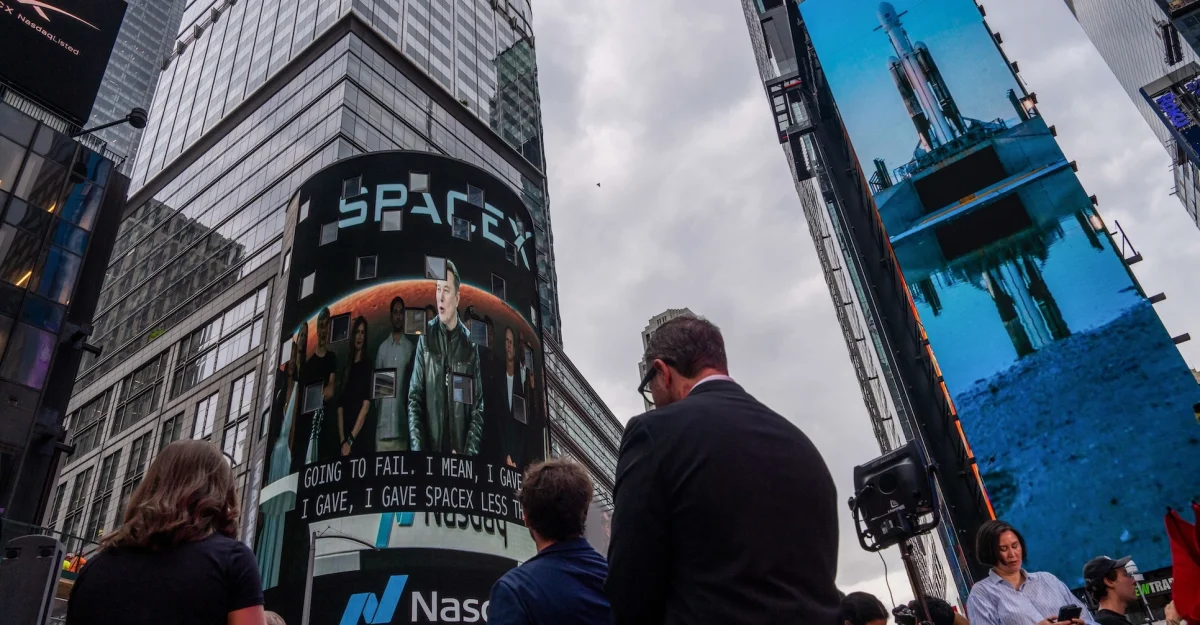
SpaceX has officially made waves on the New York Stock Exchange (NYSE) with its recent IPO, marking a monumental moment not only for the company but also for its CEO, Elon Musk, who now holds the title of the world's first trillionaire. As SpaceX shares, designated as SPCX, started trading, they took off from an initial offering price of $135, quickly climbing to around $170, which makes this IPO the largest in history by capital raised.
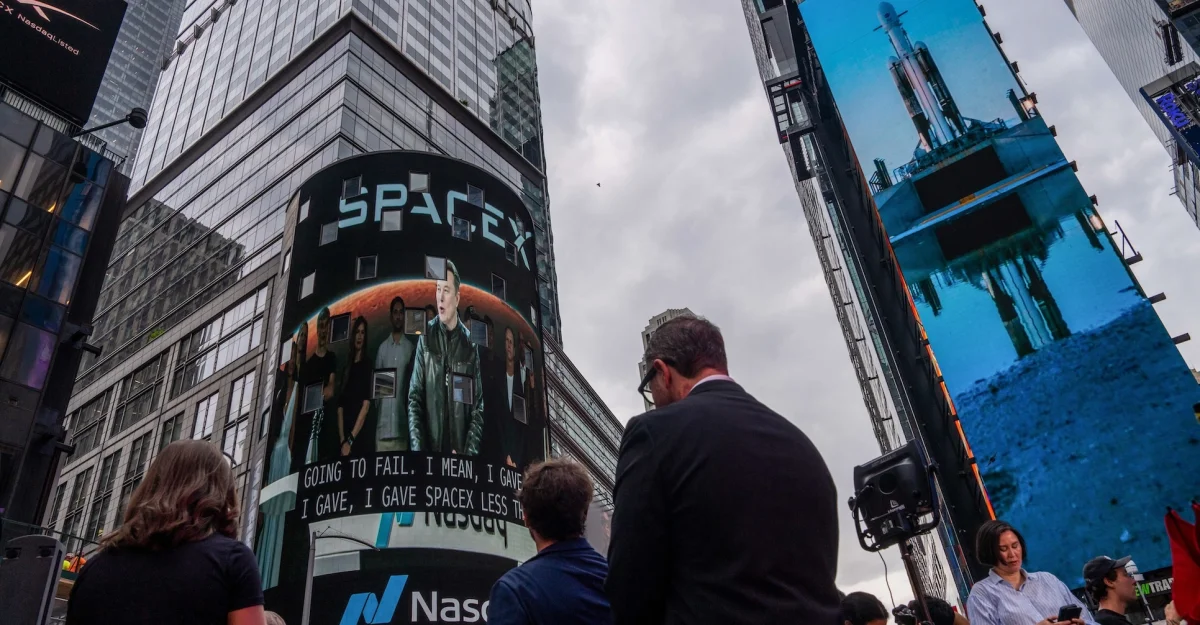
IPO Details and Valuation Insights
With a market valuation surpassing $2 trillion, SpaceX's implications are staggering. To put this into context, it's worth more than the combined valuations of major corporations like Walmart and General Motors. However, this valuation still trails behind tech giants such as Google and Nvidia, both of which have eclipsed the $4 trillion threshold. This disparity indicates a differentiated value perception in traditional vs. tech-centered markets.
The IPO offered 555.5 million shares, a relatively modest amount in the grand scheme of IPOs. This smaller share volume creates a high demand environment among investors, many of whom are banking on Musk’s innovative vision and willingness to pay premium prices for shares. The stock’s performance may fluctuate as the market digests what the merger with Musk's AI firm, xAI, means for future earnings, especially considering that SpaceX has already recorded $5 billion in losses for the current year.
Revenue Streams: A High-Risk Proposition
The financial future of SpaceX hinges significantly on its nascent ventures in artificial intelligence. The IPO documentation hinted at the potential for revenue generation from AI data centers located in space, a concept that remains largely untested. The speculative nature of this venture is underscored by the inherent difficulties found in projecting how the AI landscape will evolve, particularly given the recent backlash against AI technologies.
This emerging uncertainty in the AI sector could impact SpaceX considerably, especially as it ventures into uncharted territories. As the first major AI-driven IPO, investors are keenly observing how the stock performance correlates with broader sentiments toward artificial intelligence technology. Musk’s control over SpaceX, where he holds over 80 percent of the voting shares, signifies strong influence on its strategic direction, but this also entails heightened scrutiny and expectation. For Musk to maintain his status as a trillionaire, SpaceX shares need to stay above the critical threshold price of $138.
Challenges and Market Sentiment
While the IPO has sparked excitement, the market is also balancing a series of risks. The environmental and regulatory challenges tied to space-based ventures remain pertinent. Ventures like launching AI data centers in orbit are not just financially risky; they come with a host of logistical and regulatory hurdles that can affect timelines and profit projections. As companies like Anthropic prepare for their own IPOs, investors will be looking to compare the viability of AI endeavors without Musk's brand appeal.
The increasing scrutiny surrounding AI and its implications has created a critical environment for tech firms. The backlash against AI technologies, growing ever more visible, places additional pressure on companies diversified into AI sectors. As the market observes how well those concerns translate into stock performance, SpaceX may face headwinds in maintaining a premium valuation, particularly if the sentiment around AI technologies worsens.
Looking Ahead: Key Indicators
As we look to the horizon, potential indicators for SpaceX’s ongoing valuation will include market reactions to how AI companies perform post-IPO and how regulatory landscapes evolve. The upcoming IPO from Anthropic later this year will provide a direct benchmark of market sentiment towards AI ventures, potentially revealing vulnerabilities not just for SpaceX but several tech firms intertwined in similar ambitions. The intersection of AI developments and space exploration is certainly where many eyes will rest.
The future for SpaceX is as exciting as it is uncertain. By redefining its revenue model and navigating through tumultuous sentiments surrounding AI, Musk's company must prove it can capitalize on its early leaps in innovation while staying resilient amid potentially significant volatility.


