OpenAI's Potential IPO: Opportunities and Challenges Ahead
| Shelf | AI & ML |
|---|---|
| Date in | |
| Readers | 354 |
OpenAI plans an IPO amid financial struggles and legal hurdles, balancing potential investor gains against increasing competition and operational challenges.
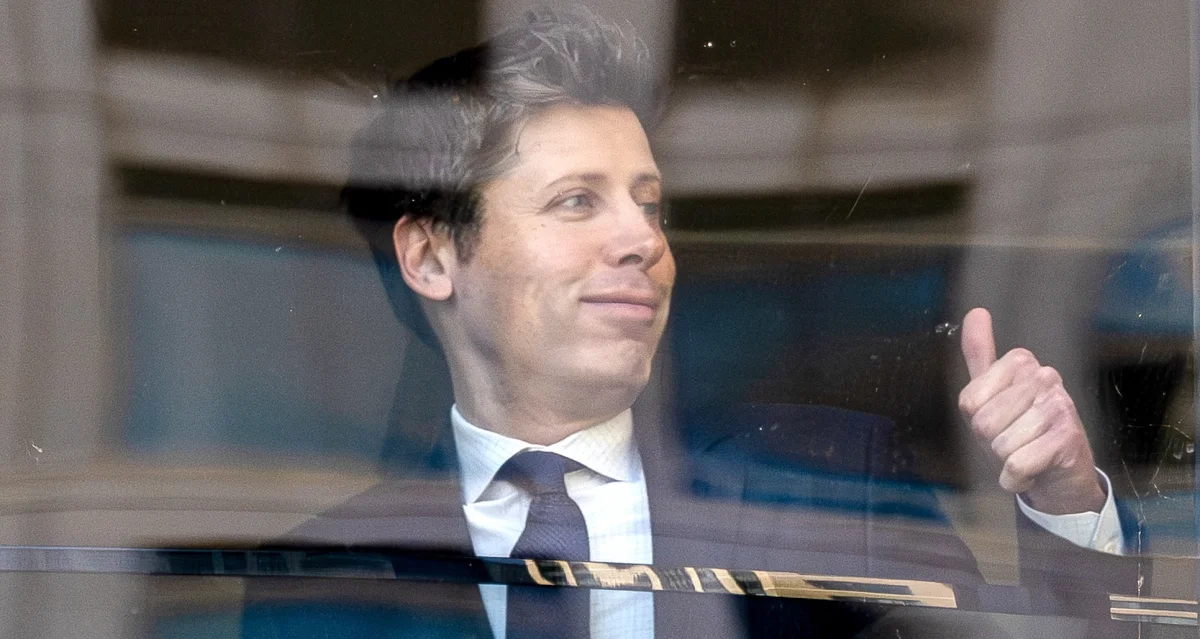
OpenAI, the AI research and deployment company co-founded by Sam Altman, is reportedly gearing up for an initial public offering (IPO), despite facing significant financial challenges and stiff competition from rivals like Anthropic and Google. Insiders suggest that the IPO could be filed as soon as this week, possibly debuting on the NYSE as early as September. This move comes even as OpenAI grapples with hefty operating losses, reportedly estimated at around $1 billion per month.
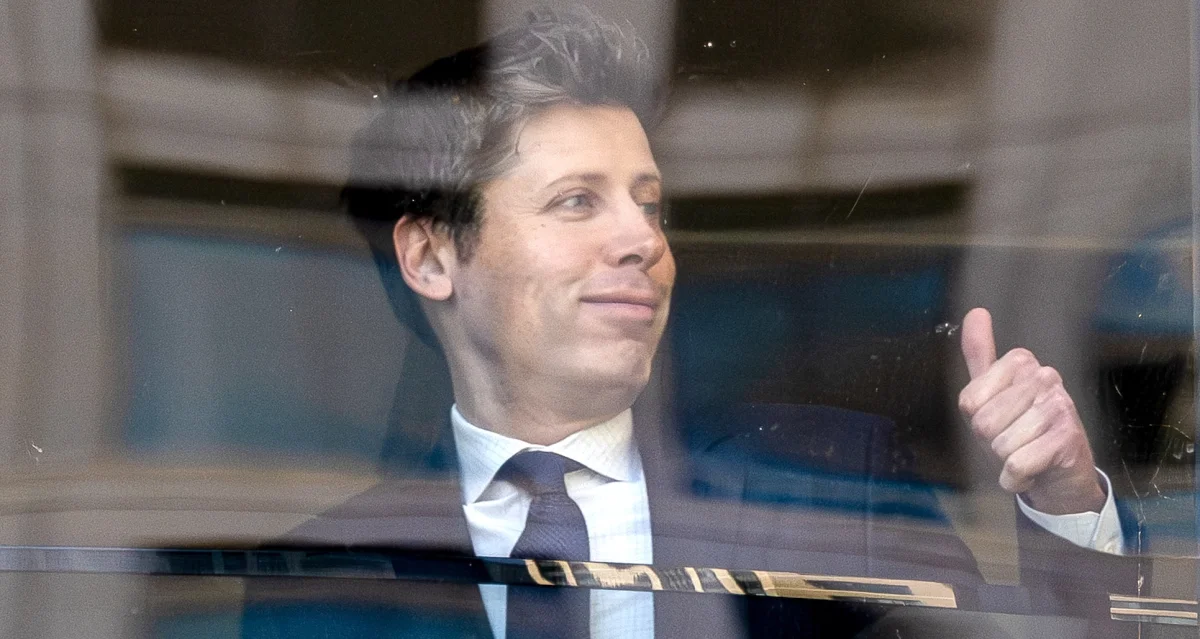
Financial Viability and Transition to IPO
Upon closer examination of OpenAI's financial state, the company appears to be struggling with a conversion rate stagnating at a mere 5% of ChatGPT users opting for paid subscriptions. This figure poses serious questions about the company’s profitability and long-term sustainability as it pushes toward the public markets. While the projected IPO has the potential to value the company as high as $1 trillion, the reality of its financial health complicates this optimistic outlook.
Recent statements from sources at major financial institutions like Goldman Sachs and Morgan Stanley confirm preparations are underway for the IPO filing. However, these plans remain fluid, indicating that uncertainties should be expected. Investors are eager for more access to OpenAI’s financial data, especially in light of its non-profit origins that now incorporate for-profit ventures.
Legal Dynamics Shaping OpenAI's Future
Adding to the complexity of this situation is the recent dismissal of a lawsuit filed by Elon Musk against OpenAI, which claimed fraud during its transformation from a non-profit to a for-profit entity. With this legal hurdle now cleared, Altman's team may finally feel they can take the plunge into the public markets. Musk's ongoing legal battles, which may include an appeal of the trial verdict, further muddy the waters, especially as he himself prepares for a potential IPO with his company SpaceX.
While OpenAI's transition to becoming a publicly traded company might enhance its visibility and capital access, it poses risks. The stakes are high for Altman and his team as they prepare to disclose more about their operations and financials to regulators and the public. How much Altman stands to benefit financially from the impending IPO remains unclear, though he has confirmed having investments in OpenAI via a fund associated with his previous leadership at YCombinator.
Scrutiny and Ethical Considerations
Currently, Altman is under investigation by the House Oversight Committee concerning possible conflicts of interest. Allegations have emerged regarding OpenAI's partnerships with firms in which he holds financial stakes, raising ethical concerns about his decision-making and the integrity of those collaborations. This scrutiny arrives at a crucial time when transparency is paramount as OpenAI looks to cement itself as a major player in the AI space.
The spotlight is now on Altman, whose reputation for delivering favorable narratives might be tested amid these developments. The potential IPO could either solidify or significantly alter perceptions of his leadership and the company’s direction. Investors are likely to keep a close eye not only on OpenAI’s financial metrics but also on governance practices moving forward. In a landscape already marred by ethical debates surrounding AI, OpenAI’s IPO will likely provoke renewed discussions about corporate governance, accountability, and the broader implications of AI technology.
Competitive Landscape and Future Strategies
OpenAI's impending IPO is set against a backdrop of fierce competition. Companies like Anthropic, leveraging their Claude Mythos model, and Google, with their Gemini line-up, are challenging OpenAI’s market position more aggressively than ever. This competition places urgency on OpenAI to demonstrate viable growth strategies and solid user engagement metrics to ensure investor confidence.
As the launch date approaches, stakeholders should be mindful of the challenges OpenAI faces: converting free users to paid subscriptions, maintaining competitive advantage in AI models, and addressing governance issues that could impact investor sentiment. If these hurdles can be addressed effectively, OpenAI could emerge as a pivotal player in the AI sector; however, any missteps may have repercussions that extend deeply into investor relations and public trust.
In summary, while the prospect of an OpenAI IPO excites investors, the intricacies of its financial health, ongoing legal challenges, reputational management, and competitive pressures will all play significant roles in determining its success. The AI landscape is evolving rapidly, and how Altman guides OpenAI through these turbulent waters will be essential in shaping the company’s future.


