Epic Games Shifts to AI-First Development Amid Major Collaboration Changes
| Shelf | AI & ML |
|---|---|
| Date in | |
| Readers | 855 |
Epic Games is embracing an AI-first approach for its collaboration with Disney, shifting game development paradigms while navigating workforce challenges.
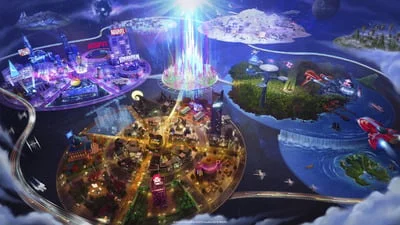
Epic Games is making significant strides towards integrating artificial intelligence into its game development strategy, a pivot underscored by its collaboration with the Walt Disney Company. This strategic shift is set to redefine how games are created, particularly focusing on an “AI first” model. Insight into this development comes from a recent report by Bloomberg, which highlights internal messages from the company, indicating a transformative approach to game development.
AI-Driven Development
As part of this new direction, Epic aims to leverage AI models for coding and artwork creation. According to the report, all code for an upcoming shooter will be generated by AI models, with human developers stepping in not to write the code but to manage and direct the assets created. This means that traditional coding practices may be replaced entirely; the implication being that the AI systems, such as Anthropic’s Claude, will handle the intricate details of development.
This shift has broader implications for the gaming industry, particularly as teams begin to rely on advanced models to expedite development processes. However, while the prospect of AI in creative fields is enticing, it raises questions about the roles of human developers. Historically, game development has required a close collaboration between technical and creative minds, and with AI taking on a larger role, one has to wonder how the balance shifts in team dynamics.
The Epic-Disney Partnership
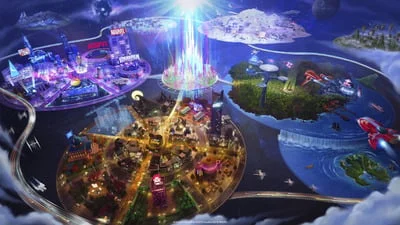
The pivot to AI comes alongside a substantial partnership between Epic Games and Disney that was valued at $1.5 billion. This deal aims to develop a shooter game themed around the Marvel and Star Wars franchises, scheduled for a release in March 2027. However, the project is currently delayed indefinitely, a move likely influenced by the shift to an AI-centric development model combined with workforce limitations. These delays echo concerns about whether relying heavily on AI can genuinely accelerate production timelines or if they might introduce new bottlenecks in the creative process.
Challenges and Workforce Dynamics
Epic’s CEO, Tim Sweeney, acknowledged this transformative effort by stating, “We have a huge pivot underway here at Epic, moving developers around to retool for maximum AI acceleration.” This statement points to not just a technological shift but a significant operational restructuring that the company is undergoing. It’s worth noting that Epic laid off over 1,000 employees earlier this year, citing a decrease in engagement with its flagship title, Fortnite. This backdrop raises valid concerns regarding the adequacy of resources and expertise as they transition to a heavily AI-reliant workflow.
Moreover, this organizational pivot may lead to increasing anxiety among developers about job security in an environment where AI assumes a larger role in creative processes. Will AI augmentation enhance productivity, or will it simply serve as a replacement for certain skilled tasks? The industry's future depends on how well human teams can integrate AI into their workflows, not merely by cutting costs but also by enhancing creativity and efficiency.
Implications for Game Development
The integration of AI in game development has the potential to significantly change the landscape, enabling faster prototyping and reducing the workload on teams. For instance, AI can be utilized for generating realistic environments and complex animations that would otherwise require extensive time and resources. However, it also raises questions concerning quality control. How will games maintain their artistic integrity when a machine is largely responsible for their creation? And what happens to innovation when creative processes become automated?
As this strategy unfolds, industry observers will be watching closely. Key aspects to consider will be the effectiveness of AI in constructing compelling narratives and engaging game mechanics that resonate with players. The balance between technology and creativity is delicate; the ultimate goal should be to enhance the player experience without undercutting the human touch that is intrinsic to compelling game design.
Looking Ahead
While the transition to an AI-driven model in gaming is still nascent, it’s critical for developers and companies alike to remain adaptable to this changing environment. There are opportunities to redefine roles within game design, but it will require careful implementation of AI tools to ensure they complement rather than replace human creativity.
As Epic Games and Disney continue their collaboration, the future of this AI-first approach remains to be seen. Stakeholders will undoubtedly track the long-term impacts on game quality, production costs, and the workforce's health as this new paradigm develops. What remains clear is that the intersection of AI and gaming promises an intriguing journey ahead.


