Exploring the Open Source Retro Smart Speaker Built on ESP32 Technology
| Shelf | AI & ML |
|---|---|
| Date in | |
| Readers | 591 |
The newly open-sourced Retro Smart Speaker combines ESP32 technology with versatile capabilities like Bluetooth and internet streaming, offering a customizable audio experience.
Open Source Approach to Smart Audio
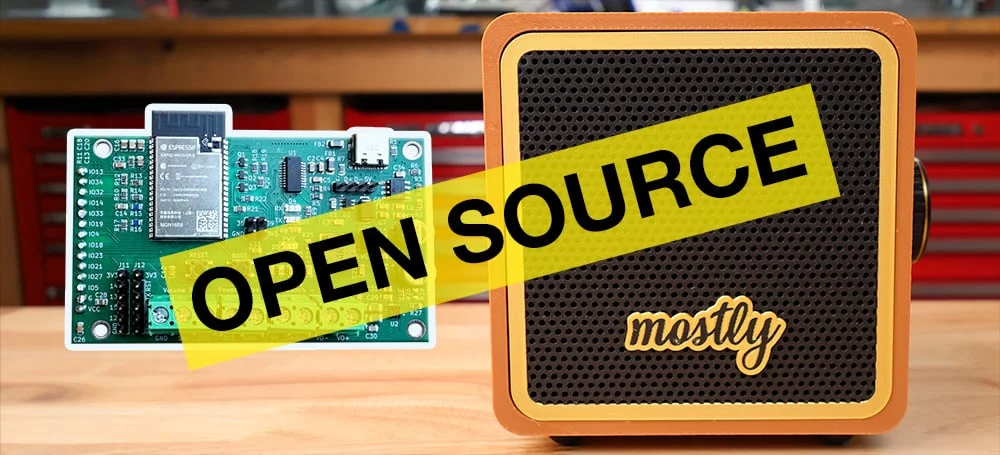
The open-source community has released an innovative retro smart speaker project that relies on the powerful ESP32 microcontroller. This smart speaker not only showcases the utility of modern technology but also emphasizes accessibility for engineers and DIY enthusiasts who want to customize their audio experience. By making the design and firmware open source, creators are inviting input and innovation from a diverse community, ensuring continuous improvement and adaptation.
Technical Specifications and Features
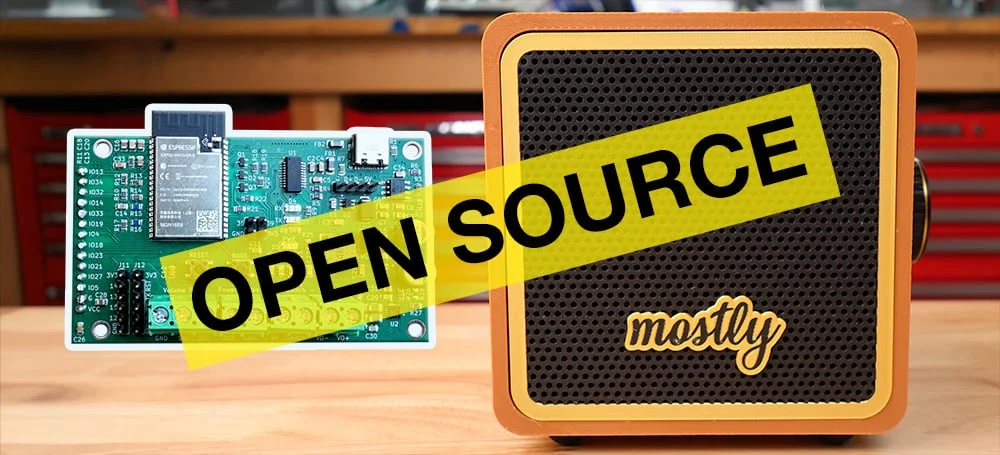
This retro smart speaker is designed around a custom PCB featuring the ESP32, a versatile microcontroller known for its Wi-Fi and Bluetooth capabilities. It allows the device to connect easily to various networks, making online streaming services readily available. With internet radio support and playback capabilities from microSD cards, users have a multitude of options for audio content, from music libraries to live broadcasts.
Design and Build
The speaker's design is not just functional; it aims to capture a classic aesthetic with a 3D-printed casing that offers both durability and customization possibilities. The use of a capacitive touchscreen enhances user interaction, providing an intuitive interface for navigating tracks and settings. These thoughtful design choices reflect the balance between form and function, catering to both technical users and casual listeners.
New Features in Version 2
Version 2 of the Retro Smart Speaker introduces several new enhancements over its predecessor. One significant upgrade is the addition of a custom PCB dedicated to the bottom light pod. This feature not only adds aesthetic value but also serves practical purposes by illuminating the speaker and enhancing user interaction during low-light conditions.
Another important modification is the replacement of the USB-C bulkhead connector, which can improve durability and ease of connectivity, a common issue faced with older designs. Furthermore, the external microSD card slot is now cleverly hidden behind a magnetic grill, providing an elegant solution for storage accessibility while maintaining the speaker's retro charm.
Firmware and Customization Capabilities
The firmware, available for download, provides developers and hobbyists with a solid starting point for modifying and enhancing functionality. This flexibility allows users to tailor their experience, whether implementing new streaming services, adjusting audio profiles, or even adding new features through software updates. Sharing firmware modifications within the community can pave the way for more advanced projects, embodying the open-source spirit.
To take advantage of these customizations, users can access the KiCad files and circuit designs, enabling them to understand the inner workings of the speaker thoroughly. Whether users choose to replicate the device or build upon its foundation, these resources ensure that the DIY community remains actively engaged and supported.
Where to Find the Speaker
For those interested in building or modifying the Retro Smart Speaker, the complete electronics design files have been made accessible via platforms like PCBWay, where users can order bare or pre-assembled versions of the circuit boards. This ease of access is a boon for engineers who may wish to bypass the complexity of producing these components from scratch.
Potential Limitations and Future Developments
While this open-source retro smart speaker presents significant capabilities, potential users should consider some limitations. The reliance on the ESP32 may steer some users toward more advanced microcontrollers, especially if they require additional processing power or functionalities not yet integrated into the current design. It's essential for the developer community to keep an eye on the evolution of hardware to maintain compatibility with emerging technologies.
Going forward, further enhancements to the software aspect of this project could focus on integrating voice control features or compatibility with smart home ecosystems. These developments would not only modernize functionality but also expand the speaker's appeal to a broader market.
Conclusion: A Hub for Creativity
The Retro Smart Speaker stands as a testament to modern engineering and collaboration, providing a platform where technical knowledge can flourish. With the inclusion of new features in Version 2 and the availability of complete design files, this project invites innovation and creativity. As more users engage with the design, we can expect to see a range of personalized adaptations and improvements that enrich the audio experience while fostering a stronger community. Whether you’re a hobbyist or a professional, the potential to explore this retro smart speaker is limitless.


