Pioneering Marine Engineer Carlia S. Westcott: A Trailblazer in Marine Engineering
| Shelf | AI & ML |
|---|---|
| Date in | |
| Readers | 808 |
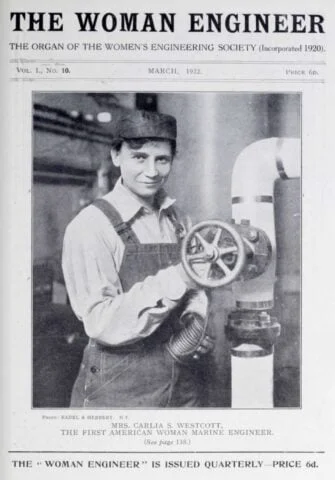
Carlia S. Westcott was a groundbreaking marine engineer, being the first woman in the U.S. to receive a license in her field—an inspiring figure in engineering history.
Carlia S. Westcott stands as a pivotal figure in the history of marine engineering, showcasing not only her talent but also the gradual shift toward inclusion in the traditionally male-dominated engineering field. In December 1921, she became the first woman in the United States to obtain a pioneering license in marine engineering, marking a significant milestone for women in STEM. This achievement resonates deeply, especially as we observe days that celebrate women's achievements in science and technology.
Early Influences and the Call to Engineering
Westcott's journey into marine engineering can be traced back to her early experiences on tugboats. A transformative moment occurred in 1920 when she joined her husband, who had substantial experience as a chief engineer in the Cary-Dan’s Towing Company. While aboard one of the company’s tugboats, she took on the demanding role of a fireman—a position requiring her to engage in minor maintenance and repairs of the engineering equipment.
This hands-on experience would play a crucial role in shaping her understanding of marine engineering principles, giving her insights that most women of her time were rarely afforded. By working alongside her husband in such intense conditions, Westcott didn’t just witness engineering in action; she actively participated in it. This unique engagement likely stoked her passion and resolve to pursue a formal career in the field, a domain where she would subsequently face numerous challenges, not least of which stemmed from her gender.
Breaking Barriers
Westcott’s license in marine engineering was not just a personal triumph; it symbolized a broader change happening within the industry. This period marked increasing recognition of women's abilities in technical roles, even as many entrenched societal norms continued to discourage their entrance into such fields. Her accomplishments invited other women to reconsider their potential paths, demonstrating that barriers could be broken and new territories explored.
Despite the hurdles she faced, including potential biases and limited access to formal education in marine technology, Westcott's resolve prevailed. She exemplified resilience and dedication that not only paved the way for future women engineers but also challenged the status quo in maritime careers. Becoming a licensed marine engineer required extensive training and a comprehensive understanding of mechanical systems, maritime safety, and operational protocols. Her success in this demanding environment speaks volumes about her capacity and tenacity.
The Legacy of Carlia S. Westcott
As we pay homage to figures like Carlia S. Westcott on occasions such as Ada Lovelace Day, it’s important to reflect on the impact of her achievements. Unlike many contemporaries who might have been content with limited roles, Westcott envisioned a future where women could take up every position in engineering, maritime operations, and beyond. Her story stands as an inspirational beacon, encouraging future generations to chase careers in STEM fields.
The legacy of Westcott extends beyond her personal achievements; it is intertwined with the ongoing fight for gender equality in science and engineering. Companies and educational institutions today strive to create more inclusive environments, but the road remains long. Westcott's experience and those of her contemporaries illustrate the historical context of these efforts, hinting at the systemic barriers that still exist.
Looking Ahead
In examining Westcott's groundbreaking achievements, it's essential to acknowledge both her contributions and the larger narrative of women in engineering. The ongoing discussions about diversity and representation in STEM fields remain crucial. Each success story, including Westcott’s, serves not only as a reminder of how far we've come but also as a call to action to continue advocating for equity within these realms.
Westcott's journey encourages us to not merely celebrate past achievements but to actively work towards building frameworks that support women and underrepresented groups in technical disciplines. Emerging technologies and evolving educational practices can provide pathways to innovation, but they must be accessible to all. Watching how industries respond to this evolving landscape will be telling of the future trajectory of women in engineering and technology.
As we honor Westcott's legacy, may her story inspire future pioneers to navigate uncharted waters in engineering and beyond, forging paths that were once thought impossible.


