AnyPS5 Project Achieves Milestone for Native PS5 Game Compatibility on Windows and Linux
| Shelf | AI & ML |
|---|---|
| Date in | |
| Readers | 620 |
AnyPS5, an open-source compatibility layer, nears full implementation for running PS5 games on PC, showing solid progress with GPU shader coverage and early gameplay.
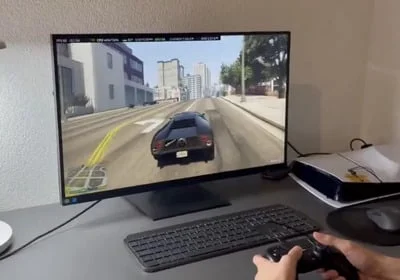
In the world of gaming emulation and compatibility, the AnyPS5 project is gaining significant attention. This open-source initiative aims to enable the running of PlayStation 5 games natively on Windows and Linux systems. Recent developments indicate that the project has made considerable strides, particularly with the achievement of 100% GPU shader instruction coverage. This milestone signifies that all 1,166 tracked AMD RDNA 1 and RDNA 2 instructions are now implemented, reflecting a dedicated effort from the development community.
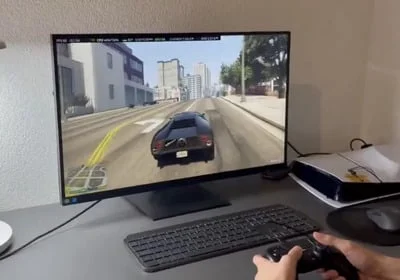
The AnyPS5 team, which comprises over 100 developers, has levered both human coding efforts and AI-generated code to decode the PS5's proprietary GPU instruction set. The PS5 utilizes the “Oberon” system-on-chip (SoC), which combines an 8-core AMD Zen 2 CPU with a custom RDNA 2 GPU. Understanding how these components interact is crucial for compatibility, as both the CPU and GPU must work harmonously to efficiently execute games initially designed for the PlayStation ecosystem.
Progress and Performance Metrics
The project reports substantial progress not only in GPU instruction implementation but also in system library functionality. Out of 3,535 functions in the low-level system libraries, 3,052, or 86.34%, are currently implemented. While this number signifies impressive groundwork, it highlights that there’s still substantial work to be done. The focus has been primarily on achieving compatibility with essential system libraries, which facilitate smooth operation of PS5 software on non-PlayStation platforms.
AnyPS5 operates similarly to projects like Wine or Proton, which are known for translating Windows games for Linux users. The method involves taking PS5 executables and converting them into formats that Windows and Linux can understand. Furthermore, the project translates proprietary API calls related to graphics, audio, and user interactions into standard calls that the operating systems can utilize. This level of translation and abstraction is crucial for transforming the gaming experience from console to PC.
Initial Results and Future Prospects
So far, the project has demonstrated its capability by successfully running at least one PS5 title, specifically the 2D platformer “Dreaming Sarah.” This game achieved stable gameplay at 60 FPS, suggesting that the foundation of the project is not just theoretical but has begun yielding tangible results. The ability to play even a single title effectively is an encouraging sign for enthusiasts anticipating broader game support in the future.
Looking ahead, the AnyPS5 project faces several hurdles. For one, while GPU functionality is nearly complete, the remaining system libraries need to be fully implemented before the project can serve a wider array of games. Developers will need to prioritize which titles to tackle first, potentially focusing on popular or less resource-intensive games to ensure compatibility before moving to more demanding ones.
Practical Implications for Users and Developers
Engineers, product managers, and technically savvy gamers should consider the practical implications of this project. The advancements in AnyPS5 could pave the way for a more extensive library of PS5 games that can be played on PC, improving hardware accessibility for gamers who may not wish to invest in console gaming. It might also encourage developers to create cross-platform games that are better optimized for both consoles and PCs.
Cost is another factor; leveraging this compatibility layer allows PC users to potentially sidestep the high price point of next-gen consoles. For developers exploring compatibility solutions, AnyPS5 represents an evolving framework that may inspire new approaches to game development that are platform-agnostic.
Limitations and Future Considerations
However, limitations persist, and prospective users should be advised regarding their expectations. With ongoing work to complete system libraries and ensure compatibility across various game genres, performance variability remains likely. Additionally, the reliance on community-driven progress means that advancements could be uneven depending on developer engagement at any given time. This variability may cause discrepancies in the performance of different titles.
As the project continues its roadmap towards broader compatibility, those interested in gaming on non-console platforms should keep a close watch on AnyPS5’s developments. The evolving nature of open-source projects means that regular updates and community feedback will shape its trajectory, making it fascinating to see which limitations can be addressed in future iterations.
For more in-depth insights and updates on AnyPS5, you can follow the original reporting here.


