Postgres 19 Delayed Until November 19: Key Improvements and Features to Watch
| Shelf | AI & ML |
|---|---|
| Date in | |
| Readers | 992 |
Postgres 19 has a new release date of November 19, featuring performance enhancements and changes that may impact database management strategies.
Postgres 19 is now officially scheduled for release on November 19, with an additional release candidate (RC2) slated for November 12. This extension allows developers more time to integrate recent bug fixes and improve system stability before the final release. The first release candidate will still be available as planned on October 15, enabling early adopters and testers to provide feedback and prepare for the upcoming transition.
New Features and Enhancements
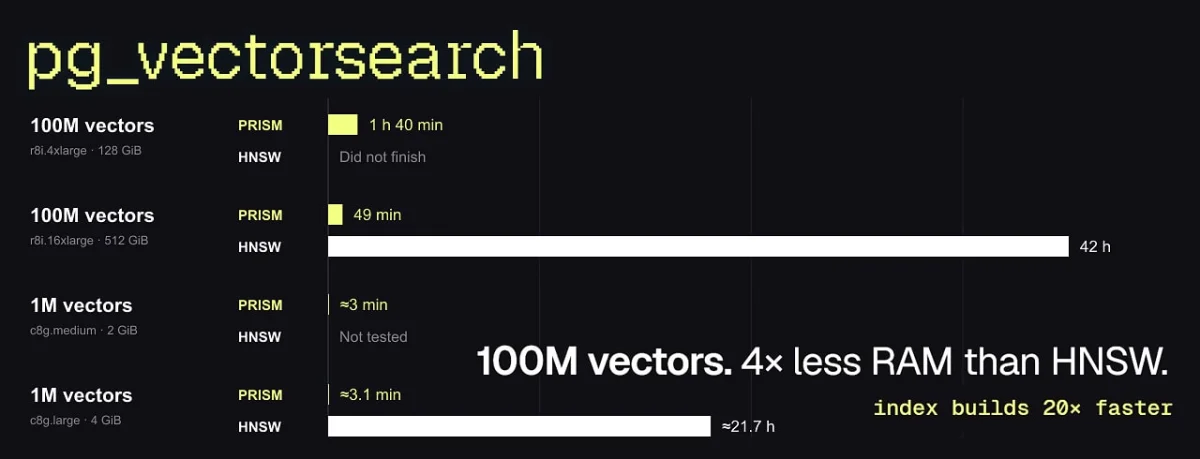
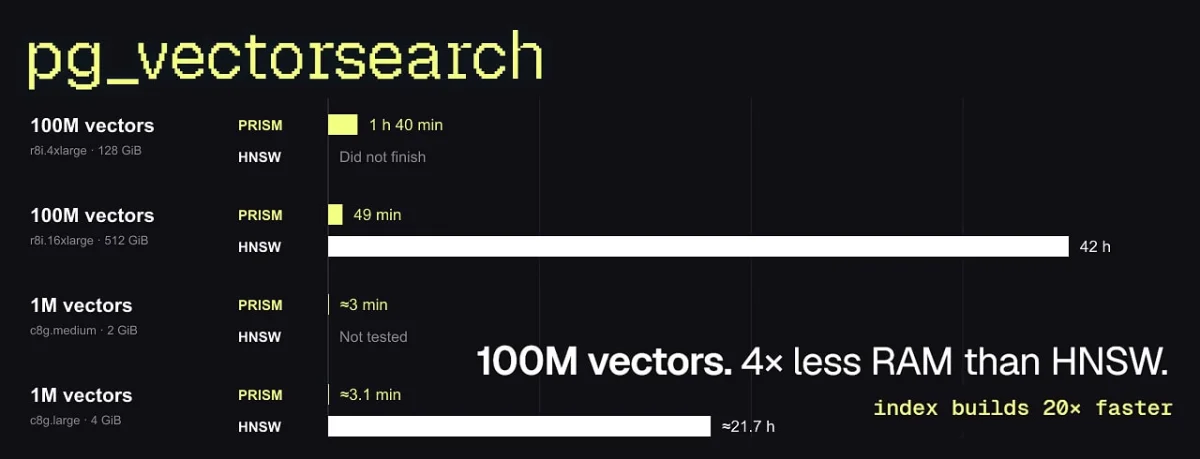
The latest advancements in Postgres 19 are diverse and noteworthy, focusing on improving database performance and usability. Among these is the introduction of pg_vectorsearch, which offers a partition-based approach to vector searching. This new method employs the PRISM vector index system, which scans compressed k-means partitions rather than traversing the graph architecture typically used in HNSW implementations. While currently in alpha status and requiring Postgres 18 or later, this enhancement could simplify and speed up complex queries that involve vector data. The implications of this are significant, especially as the demand for machine learning and AI-based applications continues to rise.
Benchmarks conducted by Kaarel Moppel indicated that Postgres 19's beta versions demonstrated a performance increase of a few percent compared to version 18, particularly in OLTP (Online Transaction Processing) workloads. Optimizing OLTP efficiency is essential for modern applications that demand quick response times and seamless user experiences. If you're working in this space, these incremental improvements can determine the difference between competing effectively and falling behind, especially in industries reliant on real-time data processing.
Security Updates and Critical Fixes
Security remains a high priority, and the recent updates include the release of PgBouncer version 1.26.1, which addresses three critical vulnerabilities (CVEs). One notable fix allows proper SCRAM authentication to prevent unauthorized access by clients who know another user's password. This fix is pivotal for organizations that handle sensitive information and depend on strong authentication protocols, emphasizing the need to regularly update and patch database connectors. With security threats becoming ever more sophisticated, ensuring that your database is fortified with the latest updates isn't just best practice—it's essential.
Addressing Challenges with Savepoints
Interestingly, a report highlighted the performance pitfalls associated with using SAVEPOINTs. In tests with Postgres-based queue systems, it was observed that increasing the number of workers inadvertently slowed down processes due to SAVEPOINT overhead. To address this, implementing job leasing improved speed and efficiency. This showcases how micro-optimizations can have significant impacts in high-throughput environments. It’s an important lesson: even small changes in mechanics can lead to substantial performance shifts. Developers should keep this in mind as they design systems that need to scale.
Feature Revisions and Community Feedback
Not all changes rolled out in Postgres 19 have met with applause; some features were retracted during the beta phase. Peter Eisentraut, a Postgres committer, reflected on the rationale behind reverting several new features. This decision underscores the importance of thorough testing and community feedback in maintaining Postgres’s reputation for reliability and stability. The discourse within the community highlights a balancing act; while there’s a push for new capabilities, existing features must not only be preserved but also enhanced. It’s a tough needle to thread.
Future Considerations
As the release date approaches, developers and database administrators should prepare for migrating to Postgres 19 by assessing the implications of these new features on their systems. Given the incremental improvements noted in beta tests, teams should expect tangible benefits, particularly around performance. However, there's a caveat: attention should be paid to the limitations revealed during testing, especially regarding SAVEPOINT performance under heavy loads and the ramifications of reverted features. Every feature comes with trade-offs, and teams must be ready to adapt.
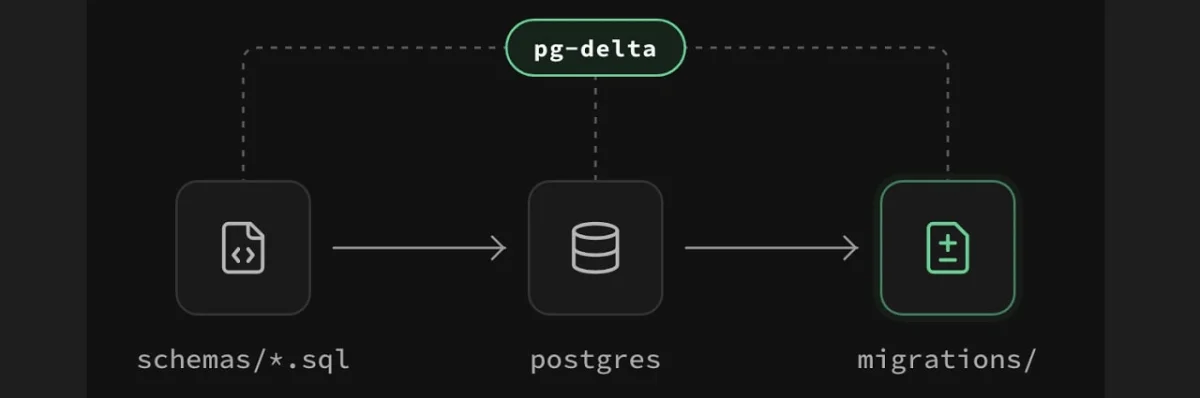
Furthermore, community tools such as pg_disorder, which randomly shuffles SELECT returns for testing purposes, and the pg-delta for managing schema migrations, enhance the development ecosystem surrounding Postgres. These tools can provide smoother transitions to new versions while keeping testing and development standards high. (And this is the part most people overlook.) Using such resources can save teams from severe headaches when upgrading to the latest versions.
Implications and Future Outlook
As the database community gears up for the general release of Postgres 19, the implications extend far beyond just feature improvements. The transition may signal a shift in how developers and enterprises approach database management and deployment. Organizations that readily adopt the latest updates will likely gain a competitive edge, particularly in sectors where data responsiveness and reliability are paramount. Major updates like this often set the stage for future enhancements and expansions, creating a ripple effect in associated technologies and methodologies.
As developers prepare for Postgres 19, a culture of continuous learning and adaptation will be key. There’s a blend of excitement and caution as users weigh the benefits of new features against potential risks and learning curves. Monitoring community feedback will remain vital, as it informs not just local implementations but also influences the broader evolution of the Postgres ecosystem.


