Postgres 19 Faces Challenges Ahead of Release Amid Significant Features and Bugs
| Shelf | AI & ML |
|---|---|
| Date in | |
| Readers | 785 |
Postgres 19 is navigating a complex beta phase with significant features still in limbo, as AI-driven reviews uncover more bugs than anticipated.

As the development team prepares for the upcoming launch of Postgres 19, the process has been anything but smooth. A plethora of features have been pulled, and while a release date is still pending, several hurdles remain. This situation has prompted the community to reflect on how AI-assisted review processes are impacting the speed and quality of development.

Current Status of Postgres 19
Postgres 19's beta phase has been a rollercoaster, with the latest updates revealing that many anticipated features could be facing delays or removal. This scenario has led to a mix of concern and optimism within the user community. On one hand, users are eager to embrace new capabilities like parallel autovacuuming and the ON CONFLICT DO SELECT functionality. On the other hand, the presence of undisclosed bugs has raised alarms as developers scramble to address them effectively.

According to discussions on the pgsql-hackers mailing list, the introduction of AI tools for code review has contributed to surfacing bugs at a rate faster than the core developers can manage. While the intention behind employing AI is to streamline the development process, the unintended consequence has created a backlog of unresolved issues. This could potentially jeopardize the stability of the upcoming release.
Key Features Still on Track
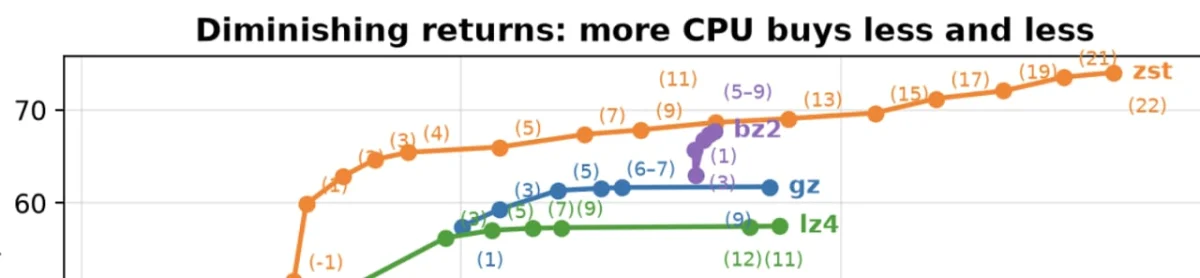
Despite the obstacles, there are still several features slated for inclusion in Postgres 19 that have generated excitement. Parallel autovacuum, for instance, aims to enhance performance significantly by allowing the system to handle multiple vacuum processes concurrently. This improvement could be especially beneficial for heavy-transaction environments that struggle with downtime during maintenance tasks.
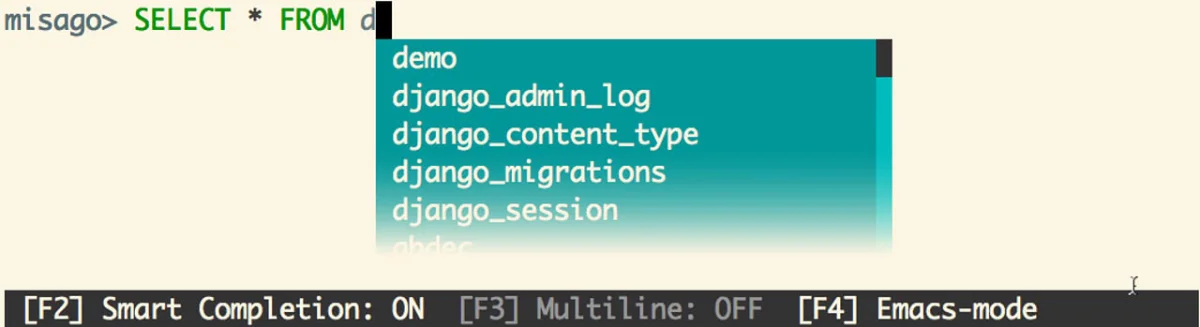
Additionally, the ON CONFLICT DO SELECT clause is set to offer developers greater flexibility in conflict resolution strategies during insertions. This feature is likely to be well-received, as it aligns with best practices in applications that require swift data handling without compromising integrity.
Challenges with Feature Implementations
The challenges of introducing big features without adequate testing are substantial. The risks of pulling features like the aforementioned ones at the last minute can lead to missed opportunities to improve system capabilities. Moreover, it raises questions about the overall planning and execution of the development cycle, particularly as the community looks forward to the release candidate anticipated in early October.
Shaun Thomas from pgEdge has emphasized that while the commitment to quality is commendable, the rapid pace of uncovering bugs through AI-assisted reviews suggests a fundamental mismatch between ambition and the current state of the codebase. This raises an open question: Will future iterations of Postgres continue to be as reliant on AI, or will a more balanced approach be adopted?
Tools and Extensions Relevant to Postgres 19
In the midst of these development challenges, various tools and extensions that complement Postgres are also making waves. For instance, PlanetScale launched its TIN, a fast BM25 full-text search index exclusive to its platform. While currently closed-source, the availability of an open-source alternative called Lead provides a testing ground for developers looking to experiment with TIN queries locally.
Furthermore, enhancements from external sources are also contributing to the ecosystem. TimescaleDB, a time-series extension for Postgres, has rolled out new optimizations that promise to maintain performance even in high-load scenarios. This is particularly relevant for analytics as organizations increasingly rely on real-time data processing.
Future Considerations
Looking ahead, the Postgres community remains vigilant about both the potential and limitations of the new features and tools in development. The breadth of changes in Postgres 19 signifies an evolution, but navigating through the beta challenges may define the trajectory of the database's future. Users would be wise to stay engaged with ongoing developments while preparing for some degree of instability during the initial rollout period.
Ultimately, the community's resilience and adaptability will play crucial roles as they balance adopting new technologies with ensuring reliable operations. As beta releases continue, keeping an eye on emerging solutions and feature stability will be essential for engineers and product managers alike. The next few weeks will be critical as they await the finalized version of Postgres 19, evaluating not only what they gain but also what is left unresolved.


