ASML Reports Record Revenue Amid Surge in Demand for Lithography Equipment
| Shelf | AI & ML |
|---|---|
| Date in | |
| Readers | 463 |
ASML achieved a record $13.06 billion in quarterly revenue, driven by strong semiconductor demand and plans for further capacity expansions through 2030.
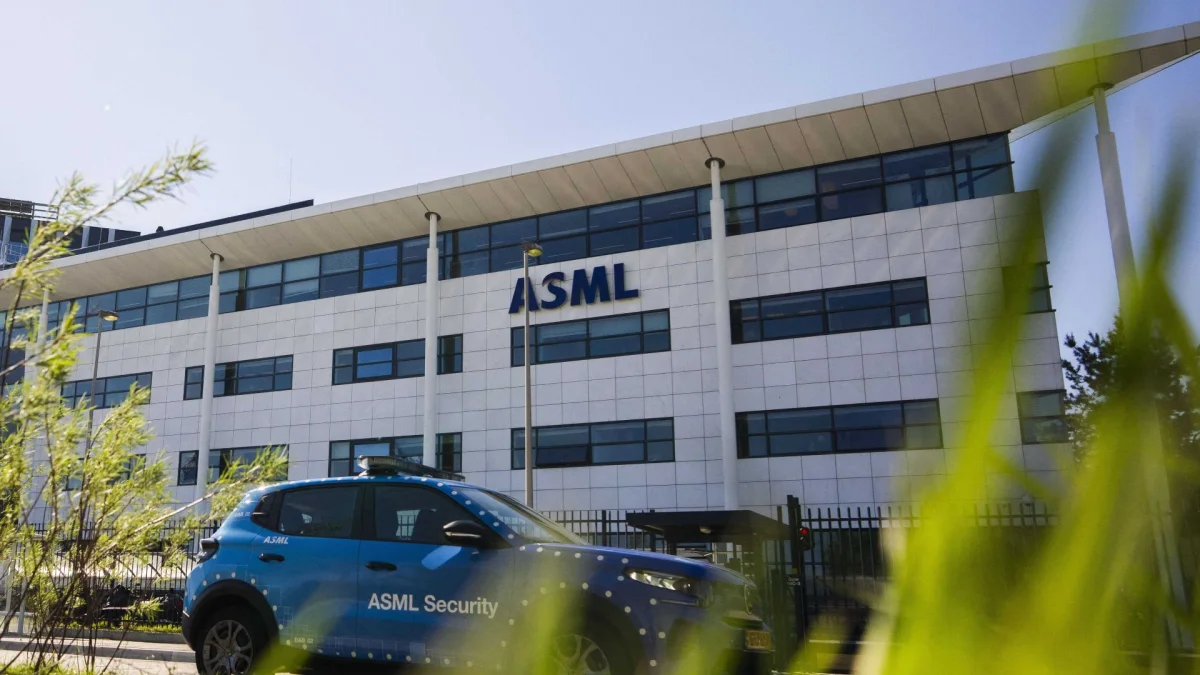
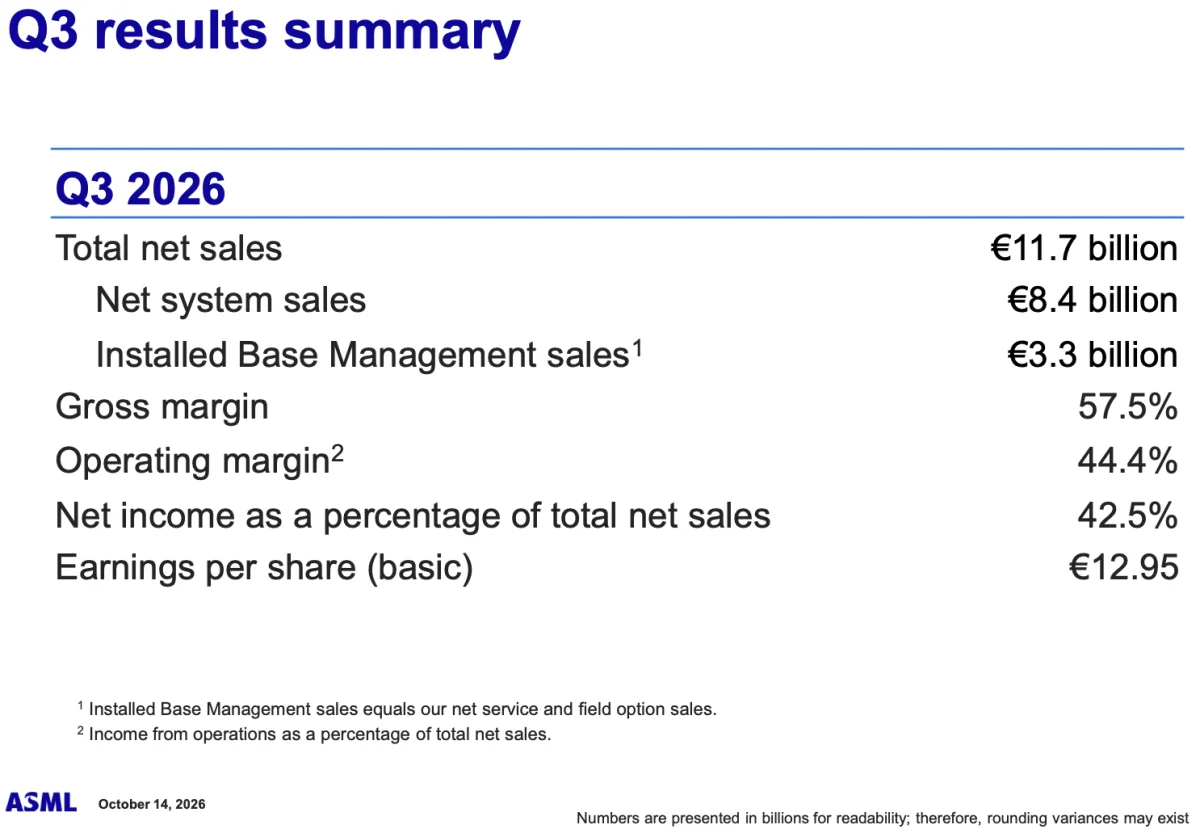
ASML has announced impressive financial results for the third quarter of 2026, reporting a record quarterly revenue of $13.06 billion (€11.66 billion) alongside a net income of $5.56 billion (€4.96 billion). This surge in revenue, reflecting a 55% increase year-over-year and a 25% increase from the previous quarter, can be attributed to the booming demand for advanced semiconductor manufacturing equipment, particularly as investments in artificial intelligence infrastructure continue to grow.
Record Financial Performance
The company’s gross margin has reached an all-time high of 57.5%, up from 51.6% a year prior, signaling strong operational efficiency. Notably, ASML's operating income also rose significantly to $5.79 billion (€5.17 billion). The earnings include approximately $570 million (€510 million) from the re-evaluation of its investment in Mistral AI, indicating further diversification in ASML's portfolio.
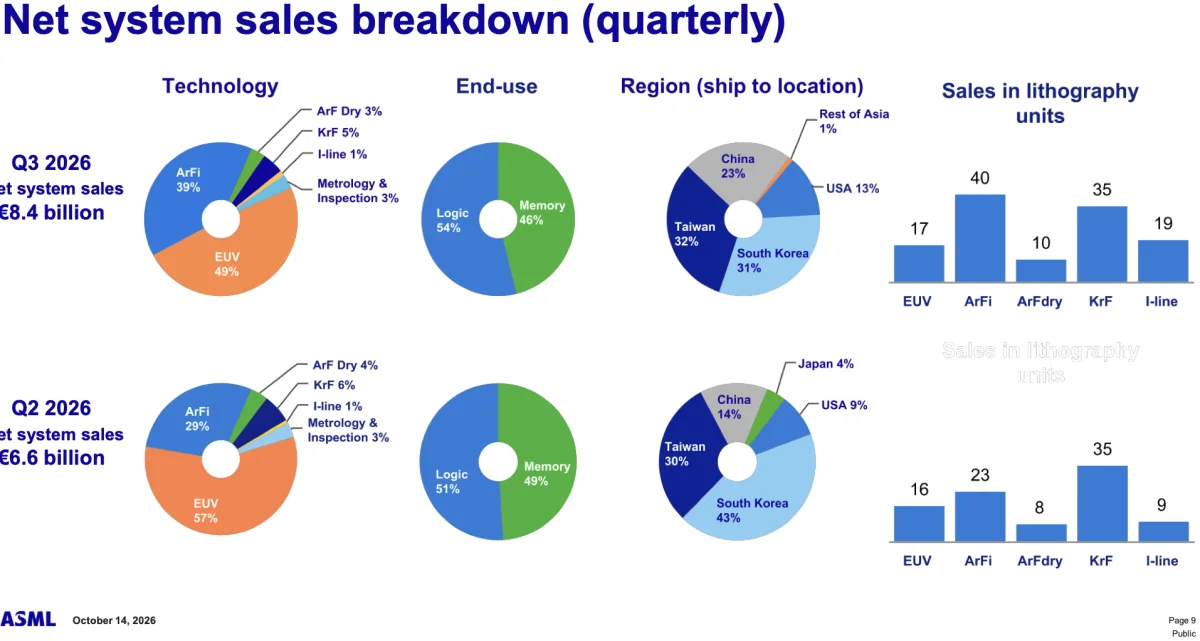
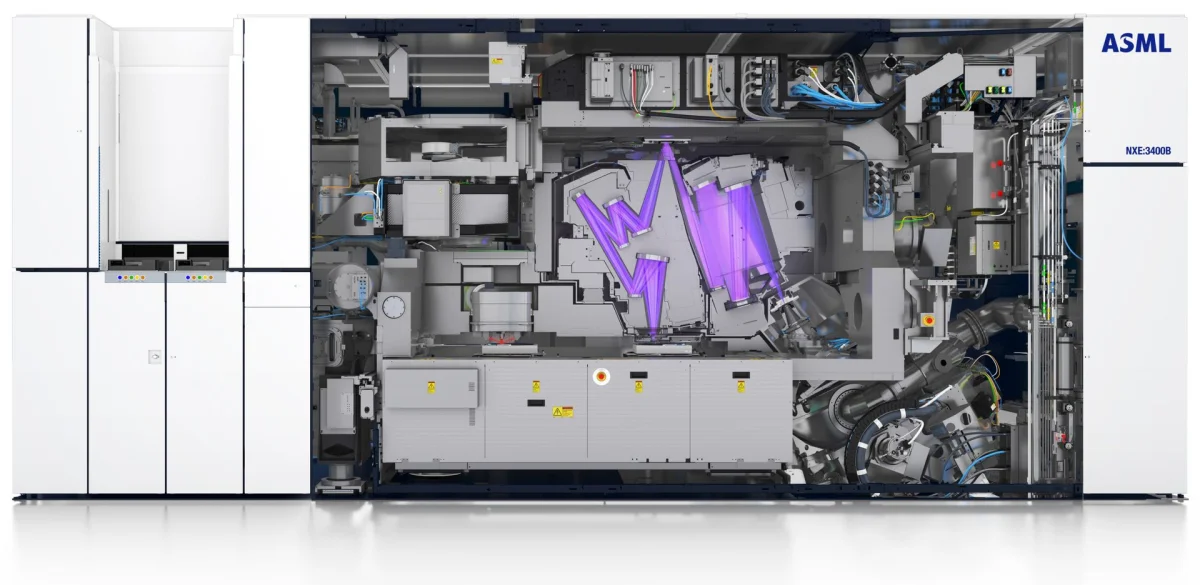
During this quarter, ASML delivered 121 lithography systems—113 new units and eight refurbished—up from 91 systems in the second quarter of 2026. The sales included a notable $4.59 billion (€4.1 billion) from 17 extreme ultraviolet (EUV) lithography systems and $4.82 billion (€4.3 billion) from deep ultraviolet (DUV) systems. This revenue distribution highlights ASML’s balanced engagement with both logic chipmakers (54% of total revenue) and memory manufacturers (46%).
Regional Demand Insights
Geographically, Taiwan emerged as the largest market, accounting for 32% of ASML's equipment sales, closely trailed by South Korea at 31%. China contributed 23% and the U.S. accounted for 13%. This distribution reflects substantial investments by Taiwanese and South Korean manufacturers in advanced logic and memory production capabilities, eclipsing efforts from the U.S. and Japan.
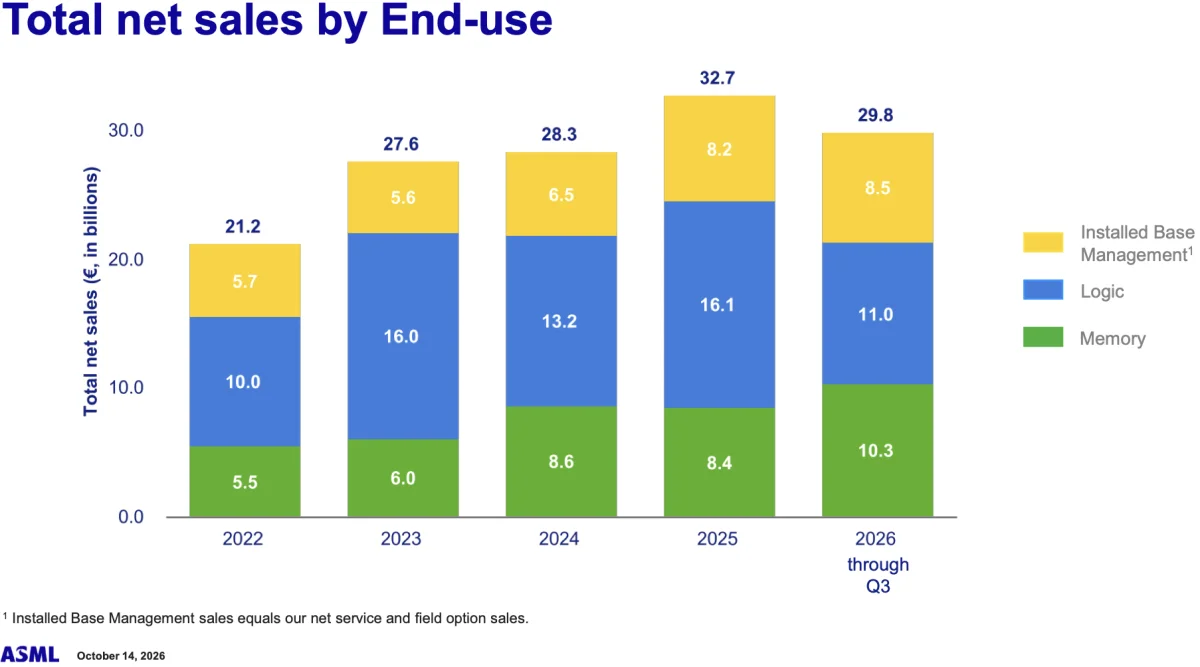
ASML’s Installed Base Management sector also showed strong performance, generating $3.68 billion (€3.29 billion) due to rising demand for productivity upgrades, which contributed significantly to the company’s record profitability. For the fourth quarter, ASML anticipates revenue between $15.9 billion and $17.0 billion (€14.2 billion to €15.2 billion) and a stable gross margin around 57%. Full-year revenue forecasts suggest an increase of approximately 36% year-over-year, with EUV sales predicted to rise over 45% and memory-related equipment sales expected to grow by about 75% as demand from DRAM producers intensifies.
Future Demand for Lithography Equipment
A pivotal insight from ASML's results is the realization among semiconductor manufacturers of the necessity to secure lithography systems well in advance of their need. ASML CEO Christophe Fouquet noted that clients are expecting demand to outstrip supply through 2028, prompting them to accelerate the construction of new fabrication plants (fabs) and expand existing ones. Customers are even placing orders slated for delivery as far out as 2030, highlighting a significant shift in how companies plan their production capabilities.
As this demand evolves, ASML is adjusting its production goals, planning about 65 Low-NA EUV systems for 2026, a notable increase from 44 scanners shipped in 2025. It has also promised a 30% capacity increase for both Low-NA EUV and DUV systems in 2027, followed by a potential additional 30% increase in 2028, although the company warns that this may still fall short of the demand it anticipates.
Progress in High-NA EUV Adoption
On the technology front, ASML is witnessing progress in High-NA EUV systems. Companies such as Intel have successfully processed over one million wafers using these systems, with plans to deploy High-NA EUV in high-volume manufacturing by 2028. Meanwhile, Samsung aims for a similar timeline, foreshadowing increased competition among memory manufacturers, particularly as they gear up to adopt advanced lithography techniques. ASML reports that the availability of its installed High-NA fleet is nearing 90%, pushing these tools closer to maturity for widespread use.
New Tools and Technological Enhancements
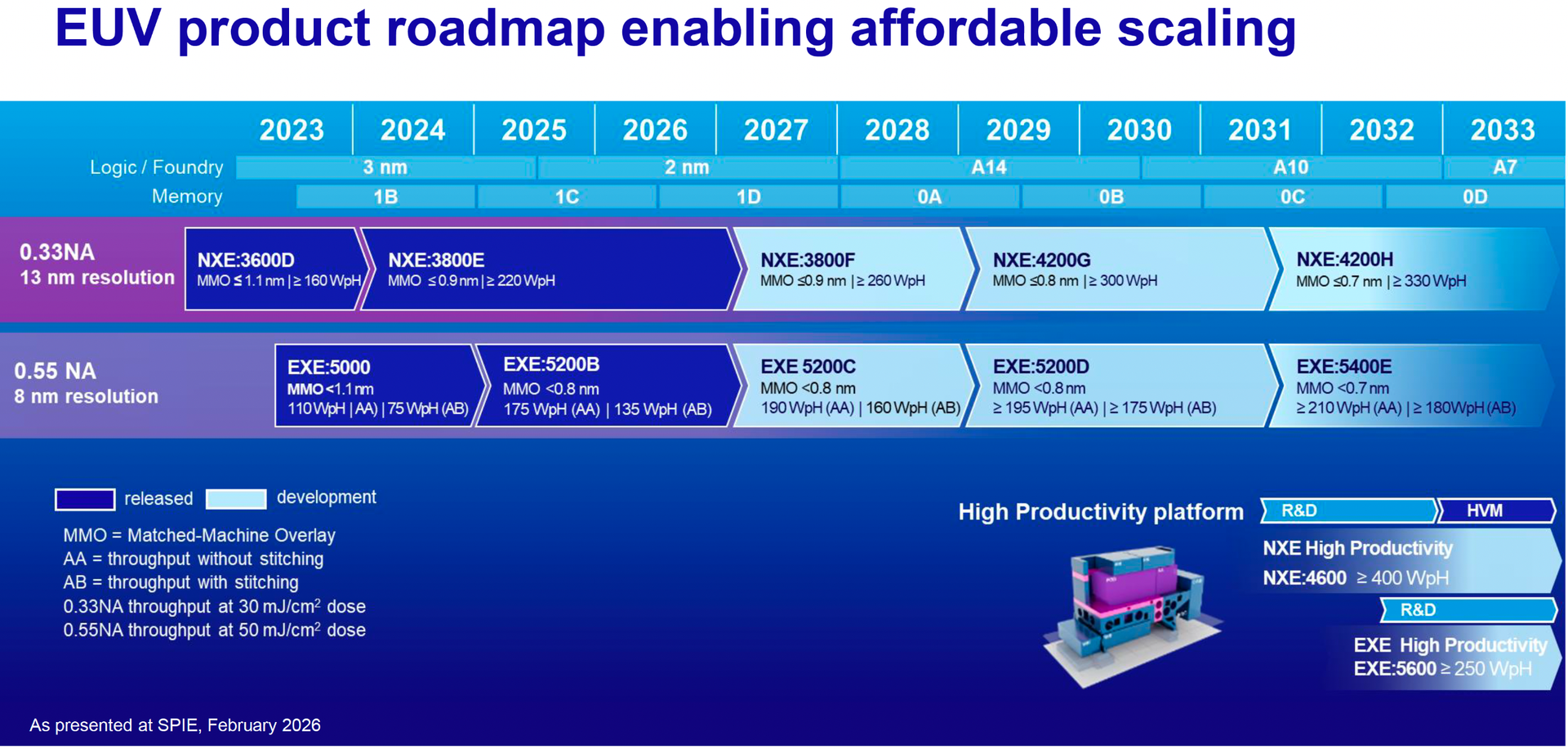
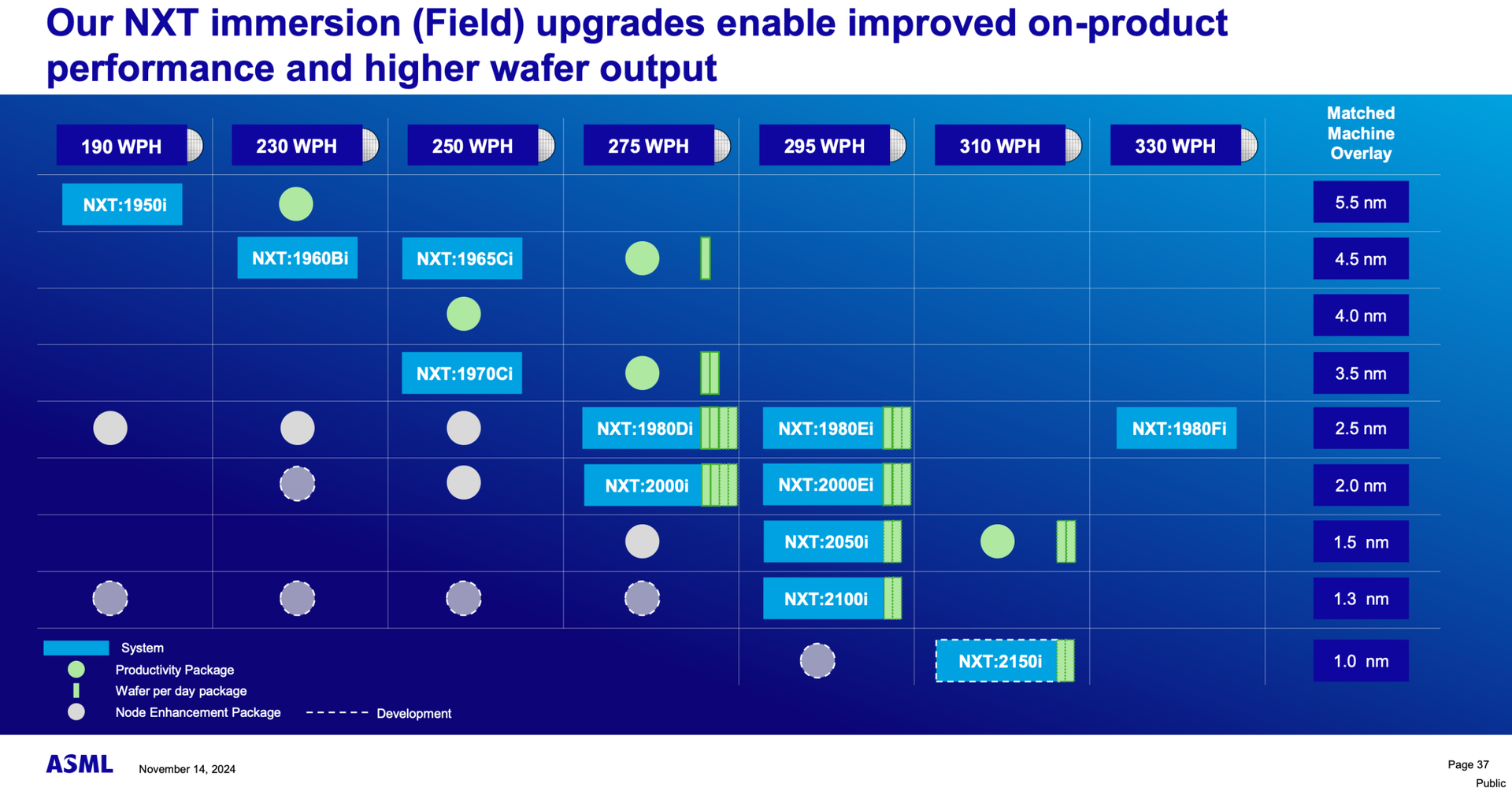
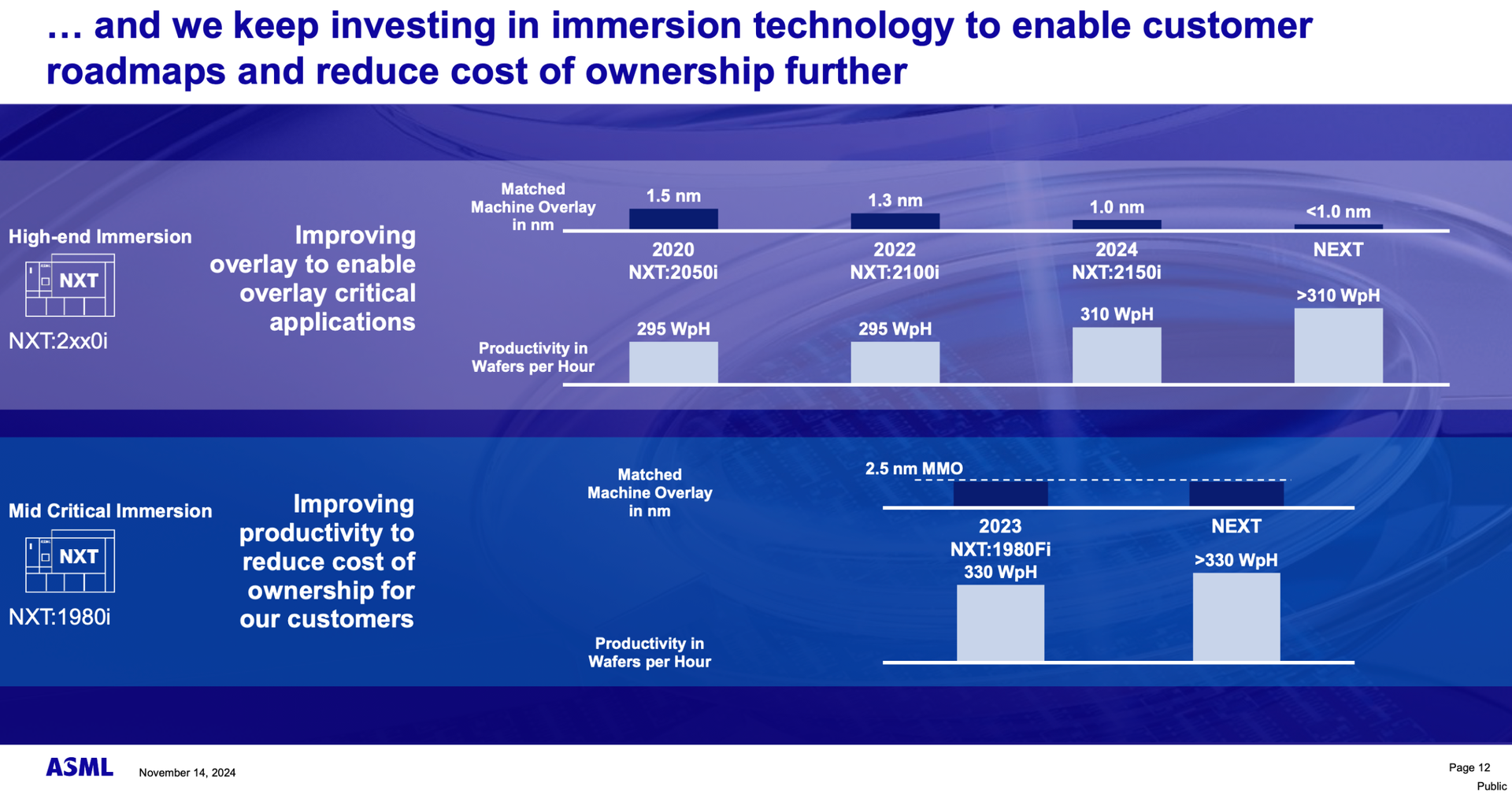
ASML's future plans also include the introduction of new lithography systems that promise enhanced productivity. The upcoming Twinscan NXE:3800F, set for early 2027, is expected to handle up to 260 wafers per hour, marking an approximately 13% increase over the existing NXE:3800E, translating to an additional 21,600 EUV exposures monthly without needing extra cleanroom space. Moreover, a new immersion DUV system capable of processing 330 wafers per hour is in the pipeline, broadening the capabilities of existing infrastructures.
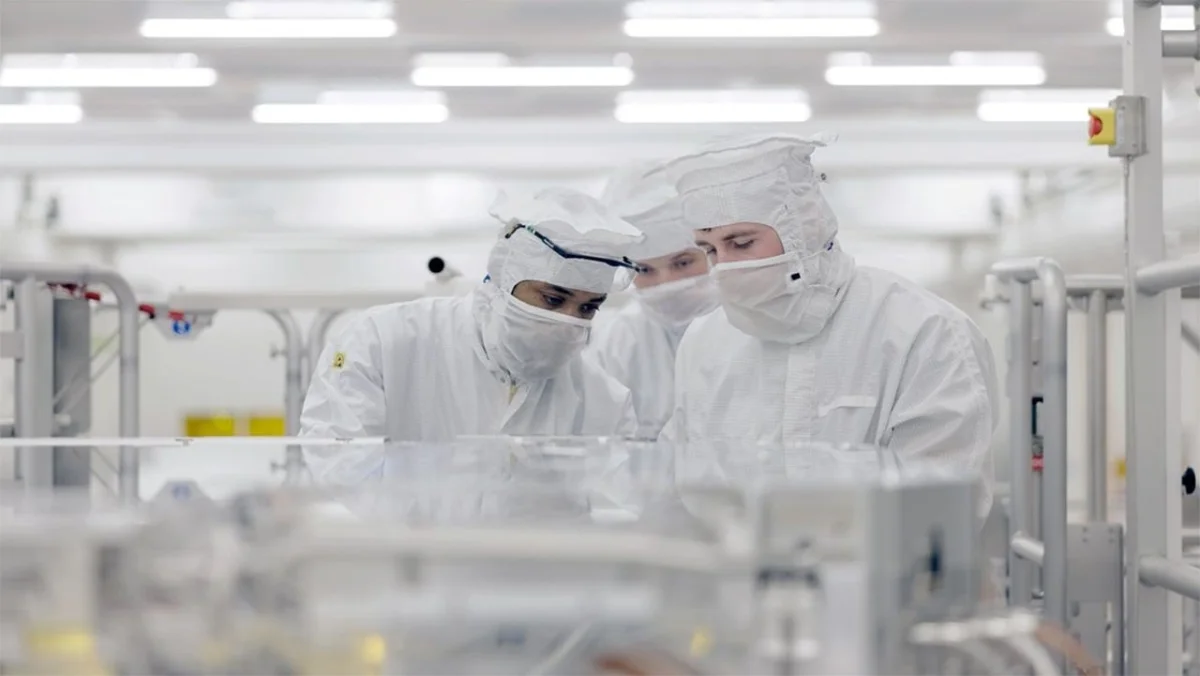
Such advancements aim to optimize production rates, allowing fab operators to maximize output without substantial additional capital expenditure. The productivity upgrades for both EUV and DUV systems will enable chipmakers to enhance throughput and efficiency without the need to invest in new tools or facilities.
Strategic Pricing Approach
ASML is also refining its pricing strategy, moving towards a value-based system that adjusts prices for new tools and simultaneously aligns with the investment capabilities of its major customers. The anticipated impact of this revised pricing is expected to manifest more significantly in 2027, with a full realization expected in 2028 and beyond. This approach may bolster ASML's already impressive profit margins, especially since competitors in advanced lithography are limited.
China's Role in ASML's Business
Despite facing export restrictions that hinder Chinese chipmakers' access to advanced EUV and DUV systems, China remains a key market for ASML, potentially contributing around 20% of its 2026 revenue, translating to approximately €8.8 billion to €9 billion. This underscores the nuanced balance ASML must navigate as it exploits growth opportunities in advanced nodes while adhering to regulatory challenges.
Looking Ahead
ASML’s recent success can largely be attributed to gains in AI infrastructure investments and robust demand for lithography equipment. As it prepares to expand capacity to meet surging demand through 2030 and beyond, introducing more productive systems and enhancing pricing strategies, ASML is not just adapting to market trends but actively shaping the future landscape of semiconductor manufacturing.


