Musk Critiques Memory Makers for Pricing Strategies Amid Supply Shortages, Praises Micron's Approach
| Shelf | AI & ML |
|---|---|
| Date in | |
| Readers | 561 |
Elon Musk highlights pricing discrepancies in the memory market, commending Micron for its customer-focused pricing strategy while criticizing competitors for excess.
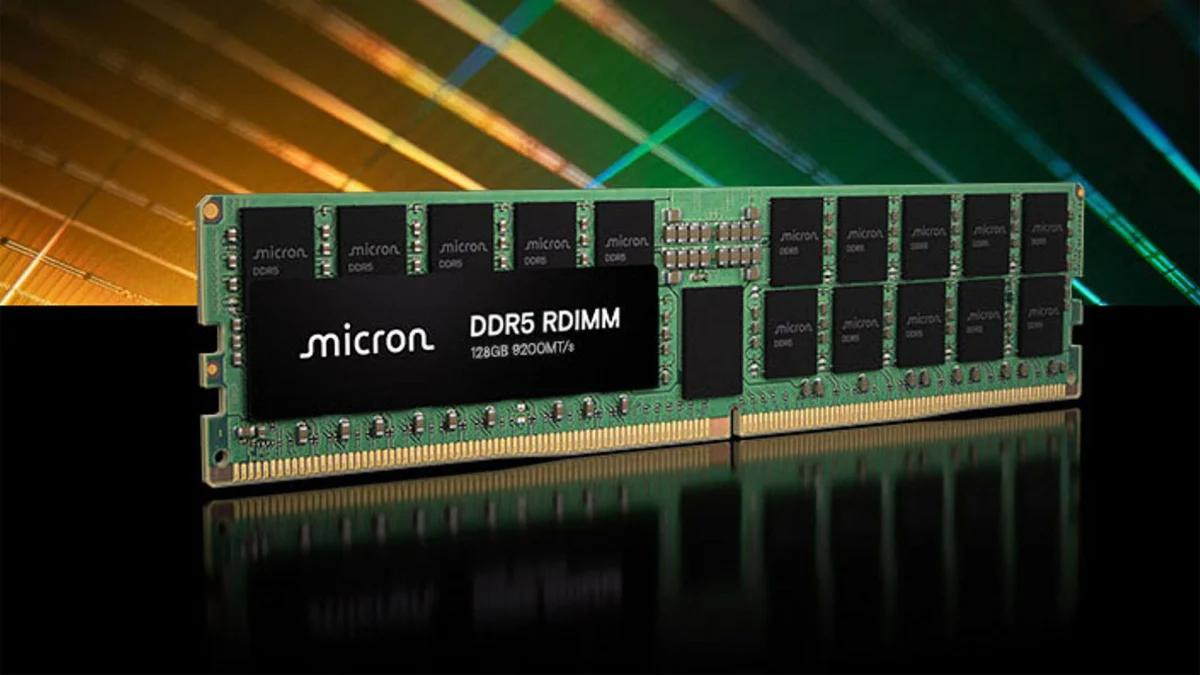
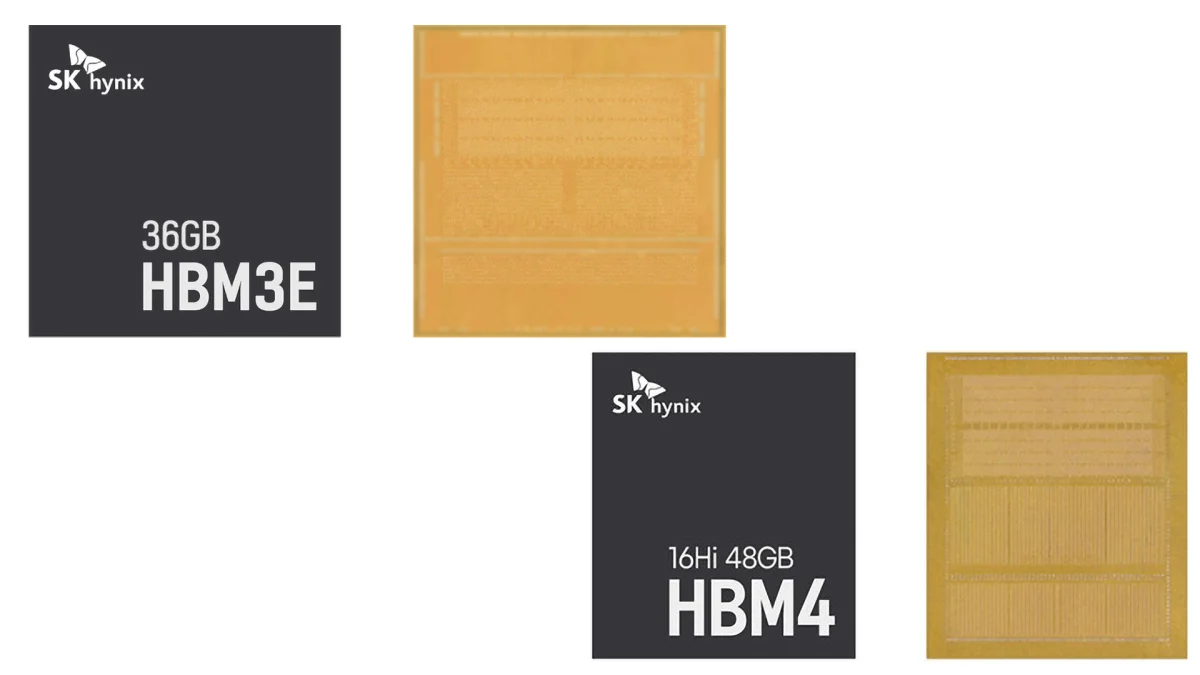
Elon Musk has taken a stand against memory manufacturers, labeling their pricing practices as "extortionate" amid an ongoing shortage of both DRAM and high-bandwidth memory (HBM). While he refrained from naming specific companies, his comments seem to target South Korean giants, particularly Samsung Electronics and SK hynix. In stark contrast, Musk commended Micron for its perceived reasonable pricing strategy, which he believes could foster long-term customer loyalty.
The company reported a striking gross margin of 81% during the fourth quarter of its fiscal 2026, alongside total revenues reaching $54.23 billion. This financial success stands in sharp relief against the backdrop of a memory market that has pivoted from a once easily accessible commodity to a vital asset, especially in the wake of AI's explosive demand for memory resources.
Musk’s assertion about memory pricing raises significant questions about the current state of the market. Although he refrained from specifying what he considers extortionate pricing or disclosing individual supplier agreements—which are typically confidential—it seems clear that he is frustrated with the pricing strategies of South Korean memory manufacturers, who many believe have aggressively increased prices without proportionate expansions in production capacity.
The Current Market Dynamic
Historically, the memory market has been characterized by cycles of supply and demand where manufacturers would respond to rising demand by ramping up production. However, the recent trend deviates from this model. Memory prices have surged significantly, yet manufacturers have not increased their production capacities comparably. This disconnect has created a scenario where supply remains constricted, exacerbating price hikes. Observers note that this current environment of limited supply might linger for several years, effectively locking in high prices that could reshape the competitive landscape.
Micron's Strategy and Financial Outcomes
The financial metrics Micron has achieved suggest a savvy navigation of the market’s tumultuous waters. Breaking down its revenue streams reveals surprising details: its cloud memory unit alone generated $16.283 billion, reflecting an extraordinary gross margin of 83%. More striking, a significant 90% gross margin from the data center storage segment underscores that even perceived reasonable pricing policies can yield substantial profits in this market.
Perhaps even more surprising was Micron's impressive revenue of $13.114 billion from mobile and client sales, hinting that Micron's approach of maintaining robust pricing strategies across various sectors has paid off handsomely.
Long-Term Agreements and Future Outlook
A notable trend within the memory industry is the increasing shift towards long-term supply agreements (LTAs). These contracts not only give manufacturers secure future revenues but also shield customers from volatile pricing fluctuations. Micron has signed 26 of these strategic agreements, ensuring more than 35% of its projected revenue until 2030, with financial commitments totaling about $32 billion in cash deposits. Micron's leadership has openly acknowledged that these new deals align with higher market prices, signifying a reluctance to discount despite their potential to retain customer loyalty.
In parallel, Samsung reportedly has long-term contracts that cover an impressive 75% to 80% of its expected output for 2027. SK hynix is seemingly on a similar path in pursuit of long-term deals, as the burgeoning AI infrastructure continues to strain available memory resources.
Implications for the Industry
Looking forward, memory supply shortages are anticipated to continue into at least 2028, as indicated by market analysts. This extended timeline provides manufacturers with substantial negotiating power, diminishing their motivation to lower prices. However, Musk's critique hints at potential future repercussions; aggressive pricing strategies today could engender lasting impacts on customer loyalty once the memory supply-demand balance resumes.
As the landscape evolves, industry stakeholders should closely monitor the interplay between pricing strategies, customer sentiment, and market demands. With major technology players like Musk stepping into the conversation, shifts in the memory market may prompt action from manufacturers and spark further discussions around pricing fairness and long-term strategies. Companies operating in this space might need to reconsider their approaches lest they risk alienating important customers in a recovering market.


