FBI Disrupts North Korean Laptop Farms: Implications on Cybersecurity and Remote Work
| Shelf | AI & ML |
|---|---|
| Date in | |
| Readers | 571 |
The FBI's recent shutdown of over 40 North Korean laptop farms reflects a significant crackdown on cyber fraud operations that exploit remote work dynamics.
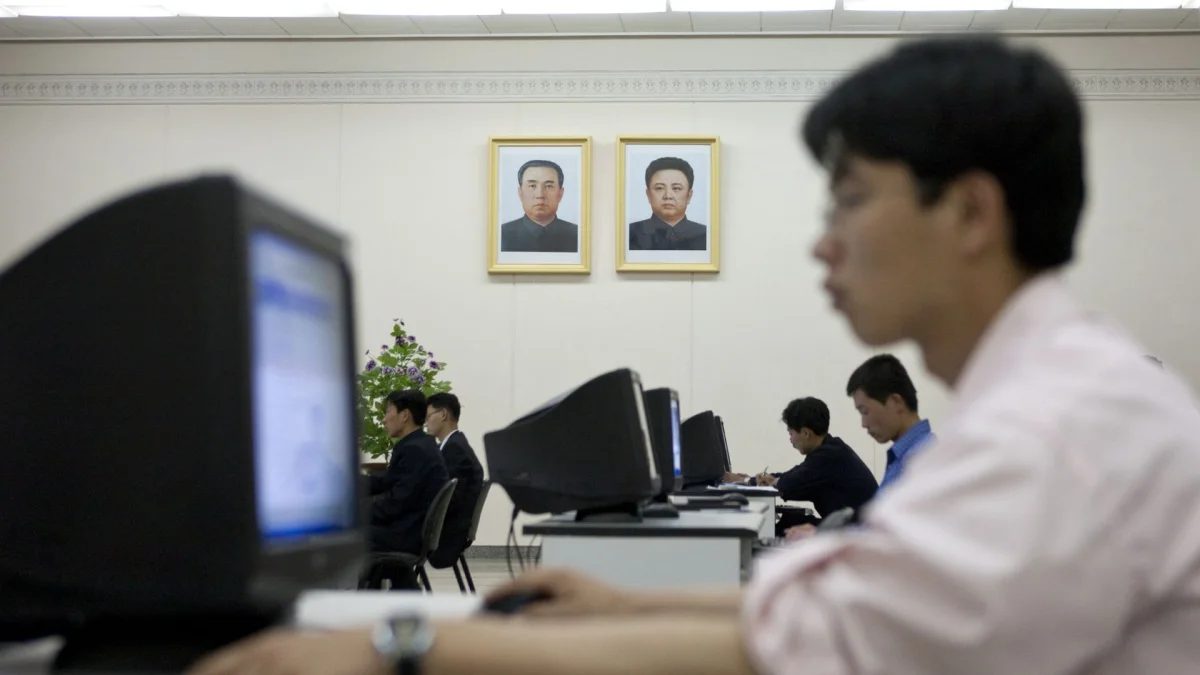
The FBI has recently dismantled a major operation involving North Korean laptop farms throughout the U.S. This extensive operation, supported by CrowdStrike, led to the seizure of more than 200 devices in Texas alone, disrupting networks exploiting remote work for illicit financial gains. Despite this intervention, no arrests have been made at this point, as authorities prioritized quick action over prosecution, although participants are warned of potential legal repercussions if they persist in these fraudulent activities.
North Korea's use of fake remote workers allows it to circumvent stringent economic sanctions, generating an estimated $500 million annually through skilled IT personnel masquerading as legitimate employees. This extensive scheme has infiltrated both startups and large enterprises, highlighting vulnerabilities in the current remote working environment. For instance, an infiltrator within Amazon's IT department was caught due to an unusual 110ms keyboard input lag, signaling the operative's non-local status and raising alarms about the legitimacy of their employment.
Previous Efforts and Growing Concerns
The U.S. has been staunch in its efforts against this type of cyber fraud, previously dismantling 29 laptop farms across 16 states last year. These operations provided North Korean IT workers with jobs at over a hundred U.S. companies, which subsequently led to criminal indictments against several individuals involved in these activities. Notably, in November 2025, four U.S. citizens and a Ukrainian national faced convictions for their roles in this fraudulent network, marking a significant step in legal accountability.
According to recent revealed indictments, a specific group consisting of two U.S. citizens and 10 North Koreans operating from China managed to defraud 70 companies out of more than $3 million over six years, underlining the extensive reach and sophistication of these operations. As investigations continue, two individuals remain undisclosed, pointing to the ongoing nature of the criminal complexities connected to these schemes.
Challenges of Cybersecurity and Counteractions
While recent actions against these illicit networks highlight a proactive approach by U.S. authorities, experts warn that these schemes are becoming increasingly prevalent and complex. Adam Meyers, CrowdStrike's head of counter adversary operations, indicates that they identified an average of two new incidents daily last month, suggesting that the scale of the issue might be much larger than currently understood. As such, despite the small victories, the problem could be just the culmination of a much broader phenomenon.
The success of North Korea's operations relies heavily on local facilitators based in the United States. These individuals play a pivotal role by hosting work laptops sent to North Korean operatives, creating an illusion that the work is being conducted domestically. Initially, this arrangement may seem like an easy route to quick monetary gains, but as Meyers suggests, as these facilitators become increasingly entangled in operations, it becomes harder to extricate themselves without facing serious challenges, thereby enlarging the pool of complicity.
Implications for Remote Work and Future Vigilance
This development raises significant questions regarding remote work security. As companies continue to adapt to flexible and virtual work environments, the emergence of fraudulent actors capitalizing on these shifts underscores a pressing need for robust cybersecurity measures. Establishing stricter identity verification processes, reviewing hiring practices, and increasing awareness among teams about the signs of illicit activity could help mitigate the risks associated with remote employment scenarios.
Furthermore, as technology evolves, particularly in the realm of remote connectivity and cloud-based operations, keeping pace with potential threats will be imperative. Organizations need to be vigilant not just in terms of security defenses, but also by fostering a culture of cybersecurity awareness among employees.
Looking forward, the ongoing investigations and evolving tactics seen in these North Korean laptop farm operations will likely usher in more significant enhancements in cybersecurity practices. Continued diligence and adaptation will be key as more cases surface, shaping an environment where remote work can thrive without falling victim to such sophisticated scams.


