Chinese Demand for Nvidia GPUs Highlights AI Market Imbalances
| Shelf | AI & ML |
|---|---|
| Date in | |
| Readers | 947 |
Chinese tech companies purchased over 1 million Nvidia GPUs to meet AI needs, reflecting gaps in domestic chip production and rising market pressures.

Chinese technology firms have made a substantial investment in Nvidia’s GPU offerings, purchasing over 1 million units of both gaming and workstation graphics processing units (GPUs) in just a single year. This purchasing trend underscores a critical dependency on U.S. hardware to meet the increasing computational demands of artificial intelligence (AI), as reported by Financial Times. Despite efforts to bolster domestic capabilities, China's tech industry remains heavily reliant on external sources for high-performance hardware.
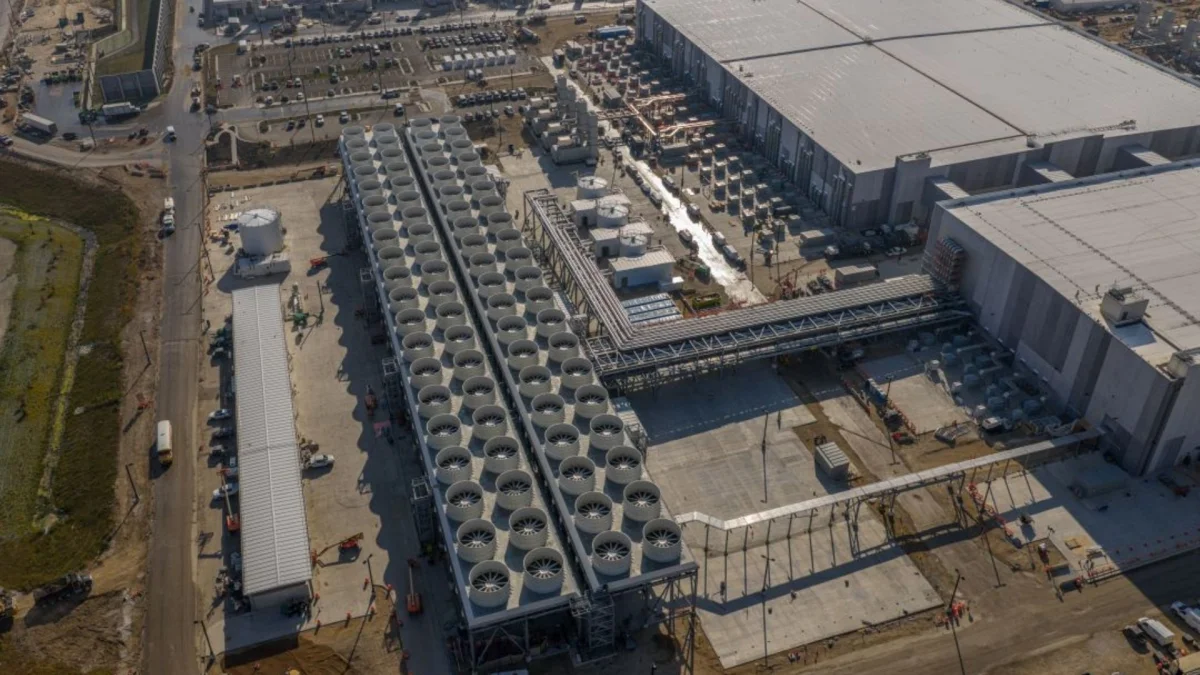
AI Demand vs. Domestic Production
According to insider accounts, the current scale of these acquisitions is indicative of a broader issue within China's AI development strategy. While the production of domestic AI chips has doubled recently, industry insiders project a shortfall of approximately 1.5 million chips. With expectations to manufacture only 3.5 million chips while facing a demand upwards of 5 million, these figures clearly indicate a disparity that is pushing companies towards Nvidia's solutions.
For many of these firms, Nvidia’s GPUs, which comply with U.S. export regulations, have become the go-to hardware. They repurpose these gaming and workstation GPUs for AI applications, capitalizing on their versatility and performance. Most notably, the chips involved in this significant buy include Nvidia's RTX Pro 6000D and RTX Pro 5000 series, alongside the RTX 5090. The latter is particularly sought after, touted as the best graphics card available for high-end gaming workloads. However, it’s important to recognize that while these GPUs serve a purpose, they are not designed to directly compete with homegrown offerings like Huawei's Ascend 910C. Instead, they fit a niche for less-intensive AI tasks such as data prefiling.
Market Pressures and Economic Implications
This influx of demand has exerted considerable pressure on the existing GPU market. Prices for enthusiast GPUs are currently experiencing significant inflation. The RTX 5090, initially priced at $1,999, has largely vanished from the retail market, now only available through select third-party sellers at exorbitant rates upwards of $7,199. This increase represents a stark shift in the GPU purchasing landscape and raises concerns for both gamers and professionals who rely on these units for high-performance applications.
Moreover, Nvidia's GPUs are not just hardware; they come with robust software support, primarily its CUDA platform. Despite Huawei's alternative, Cann, still lagging behind in the AI developer community, CUDA’s established ecosystem strengthens Nvidia’s market position. Developers frequently choose GPUs based on the availability of software tools that enable efficient problem-solving, making Nvidia's offering particularly attractive.
A Shift in Priorities for Nvidia
Looking at Nvidia's strategic direction, recent decisions indicate a notable pivot toward meeting the demands of the AI sector at the potential expense of the enthusiast gaming market. Reports have surfaced suggesting that Nvidia has halted production on the RTX 5090 to redirect resources towards AI data center and professional GPUs. Instead, a new 24GB RTX 5080 flagship is anticipated to replace the 5090, suggesting a compromise in memory capacity compared to the 32GB configuration of the prior model.
This strategic pivot raises questions about the future of the enthusiast gaming segment, which may see a decline in the availability of high-tier GPUs at affordable prices. As Nvidia shifts its focus, the implications for competitive gaming hardware remain uncertain, prompting concerns among dedicated gamers about diminished future offerings.
Looking Ahead: Industry Dynamics
As the reliance on Nvidia GPUs continues amidst domestic production challenges in China, several key themes emerge that warrant attention. Firstly, the price dynamics and availability of GPUs are likely to remain volatile, influenced by both demand spikes from China and Nvidia’s strategic pivots. Additionally, as domestic AI infrastructure grows, it will be essential to monitor how homegrown solutions evolve to compete with established players like Nvidia.
Technological innovations and resource allocations will be critical in determining the sustainability of this GPU dependency. The market will be watching closely to see if domestic capabilities can bridge the gap or if Nvidia's continued dominance will prompt even greater investment in AI technologies both inside and outside China.


