Nvidia Accelerates DLSS 5 Performance and Reduces VRAM Footprint in Latest Update
| Shelf | AI & ML |
|---|---|
| Date in | |
| Readers | 520 |
Nvidia's DLSS 5 now features double the performance and a 20% reduction in 4K VRAM usage, thanks to optimized pipeline and model enhancements.
Enhanced Performance with DLSS 5
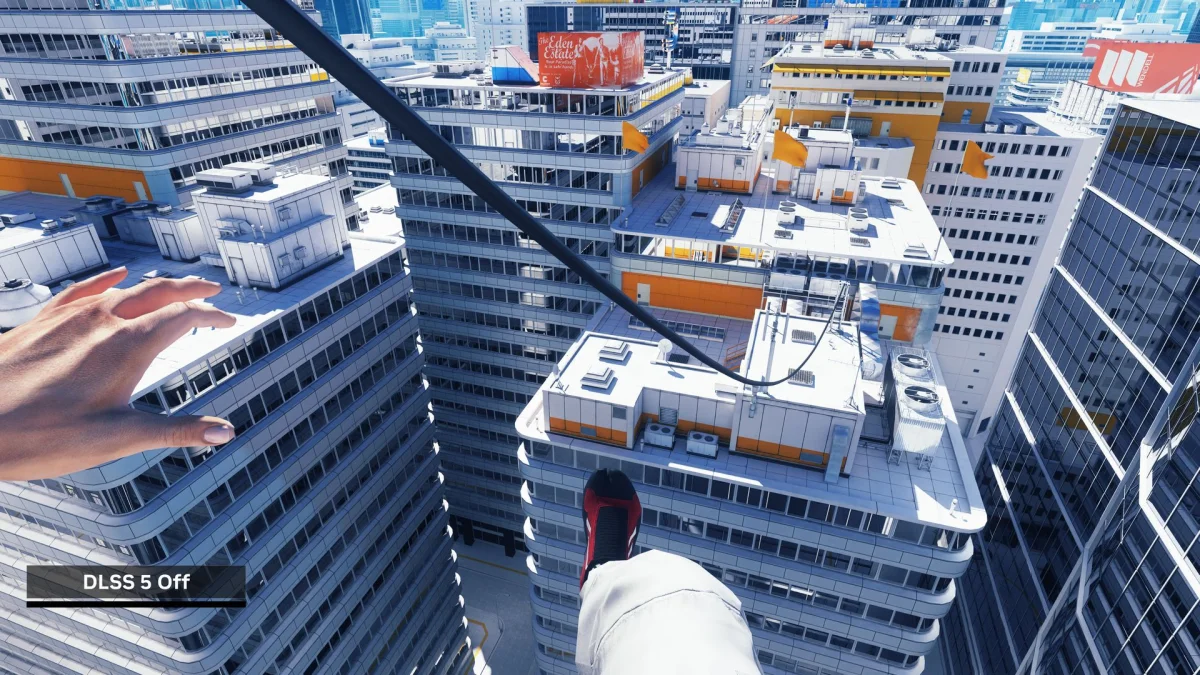
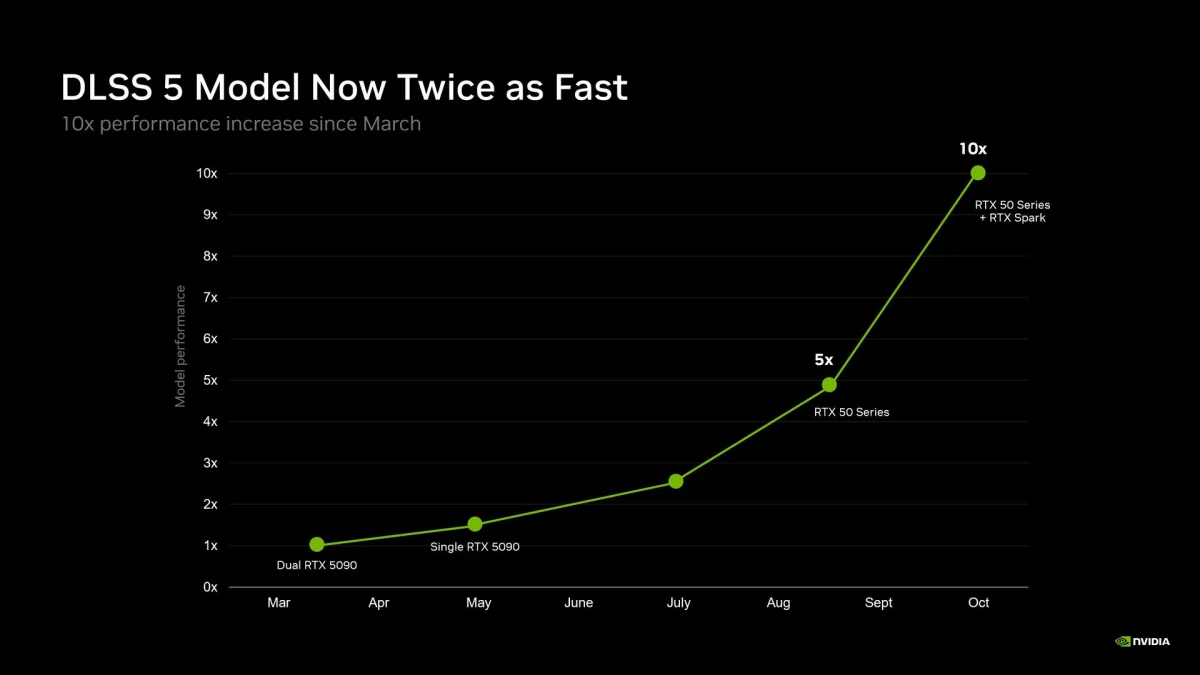
Nvidia has recently unveiled significant enhancements to its DLSS 5 technology, which employs AI to improve gaming visuals through neural rendering. The latest update doubles the performance of the existing model, reflecting a staggering 10-fold increase in efficiency since its introduction in March. This leap isn't just an upgrade; it signifies a transformation in how games render lighting and visual effects at higher frame rates or more demanding settings, something that has huge implications for both gamers and developers alike.
Optimizations Drive Efficiency
The improvements are credited to a series of systematic pipeline optimizations and refinements to the neural model. These advancements have reduced the overall model size by nearly 25%, now standing at 118 million parameters, making it more accessible for various hardware setups. Moreover, the decrease in VRAM consumption at 4K resolution by 20% means that gamers can achieve high fidelity without the heavy toll on system resources, virtually halving the GPU's overhead compared to the previous iteration released in September. This isn't just a technical tweak; it opens the door for a broader range of gamers to experience high-quality graphics, even on mid-tier hardware.
Furthermore, this optimization enables a potential frame rate increase of up to 1.4 times, providing gamers with smoother gameplay and enhanced visual quality without the need for more powerful hardware. This improvement could be particularly relevant for competitive gamers, who rely on high frame rates for optimal performance. If you're working in this space, it’s clear that every millisecond counts—this technology could make a tangible difference in gameplay.
Implications for Gaming Titles
The new DLSS 5 model is set to debut in NBA 2K27 on October 16, showcasing its capabilities in a practical application that’s sure to attract attention. This deployment underscores Nvidia's commitment to integrating the technology into popular game franchises, aiming to elevate the gaming experience for players who demand more from their visual interactions. The choice of such a high-profile title for the rollout can’t be overstated; it’s a strategic move designed to garner maximum visibility and user feedback early on.
Nvidia also announced plans to extend DLSS 5 support to other titles like Hogwarts Legacy, which will be implemented next month. The ongoing support of DLSS 5 across various platforms, particularly on RTX 50-series GPUs and through services like GeForce NOW, reinforces the technology's viability in streamlining gaming visuals across different setups. This level of support could make an early adopter's purchase feel more justified, knowing that their hardware will be relevant for years to come.
Performance Mode Enhancements and New Features
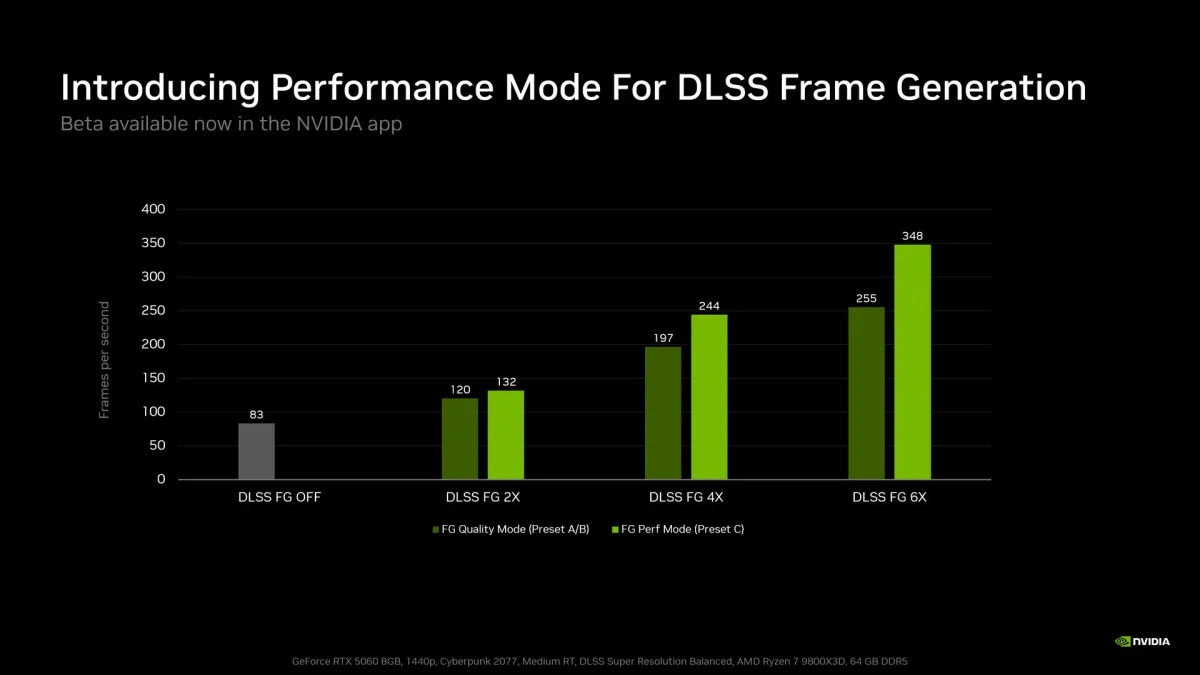
In addition to the core improvements to DLSS 5, Nvidia is rolling out a new Performance Mode for Frame Generation. This enhanced mode will be available not only on the RTX 50 Series but also on RTX 40 Series GPUs and the RTX Spark laptops, widening access to this feature. A noteworthy change is the introduction of a new "Preset C" mode, which swaps the previous AI model used for calculating optical flow with a more efficient algorithm. As a result, gamers will experience a significant boost in speed—around 35% faster on the RTX 5060, allowing for improved DLSS Frame Generation and its dynamic variants.
Such improvements highlight Nvidia's focus on fostering performance scalability. By enabling faster rendering without sacrificing quality, Nvidia positions its technology favorably in an increasingly competitive gaming arena. This could hold implications for developers as they look to optimize their titles for higher performance across varying hardware configurations. The potential for widespread adoption is promising; after all, there's a broad array of titles that could benefit from these advancements.
Limitations and Future Considerations
While these enhancements are promising, there are limitations and unanswered questions surrounding DLSS 5. Developers and users alike will be keen to see how the technology performs under diverse gaming conditions, particularly in CPU-intensive scenarios where VRAM usage can become a bottleneck. The complexities of game engines and the need for backward compatibility with existing titles present additional hurdles. The potential limitations should not be overlooked; developers often find themselves grappling with the balance between next-gen capabilities and the reality of legacy code.
As Nvidia continues to refine DLSS technology, the industry will likely watch for further enhancements, especially in areas such as AI-driven rendering techniques and integration with upcoming gaming titles. The evolution of DLSS could be pivotal for both developers and enthusiasts who seek high performance without compromising visual fidelity. (and this is the part most people overlook). These optimizations are not just technical specs; they speak to Nvidia’s strategy in capturing market share and maintaining a lead in the gaming graphics sector.
Nvidia's advancements with DLSS 5 promise a more engaging gaming experience and underscore the importance of continuous innovation in enhancing game performance through smarter technology. Gamers and developers alike are keeping their eyes peeled for the broader rollout of these features, recognizing that Nvidia isn't just keeping pace; it’s defining the future of AI-driven gaming technology.
Future Outlook and Industry Impact
The implications of DLSS 5 extend beyond individual game titles; they signal a shift toward a future where AI plays an increasingly central role in how games are developed and experienced. If this trend continues, we could see an industry where the visual barriers between high-end and mid-tier graphics cards blur, democratizing access to high-quality gaming experiences. Think about it: could we soon reach a point where AAA titles perform at top levels across a range of devices? It's not out of the realm of possibility.
In the end, Nvidia is laying the groundwork for a more inclusive gaming experience, but questions remain about how effectively these technologies can adapt to various gaming environments. The gaming community will be watching closely, eager to see not just the performance but also how well this technology integrates into new and existing titles in the future. The anticipated feedback and adoption rates will be a significant barometer of DLSS 5's success and its long-term impact on the industry.


