Epic Games Delays Disney Shooter, Shifts to AI-Driven Development Model
| Shelf | AI & ML |
|---|---|
| Date in | |
| Readers | 890 |
Epic Games has postponed a anticipated shooter tied to Disney's franchises, refocusing the project to an AI-centric development approach.
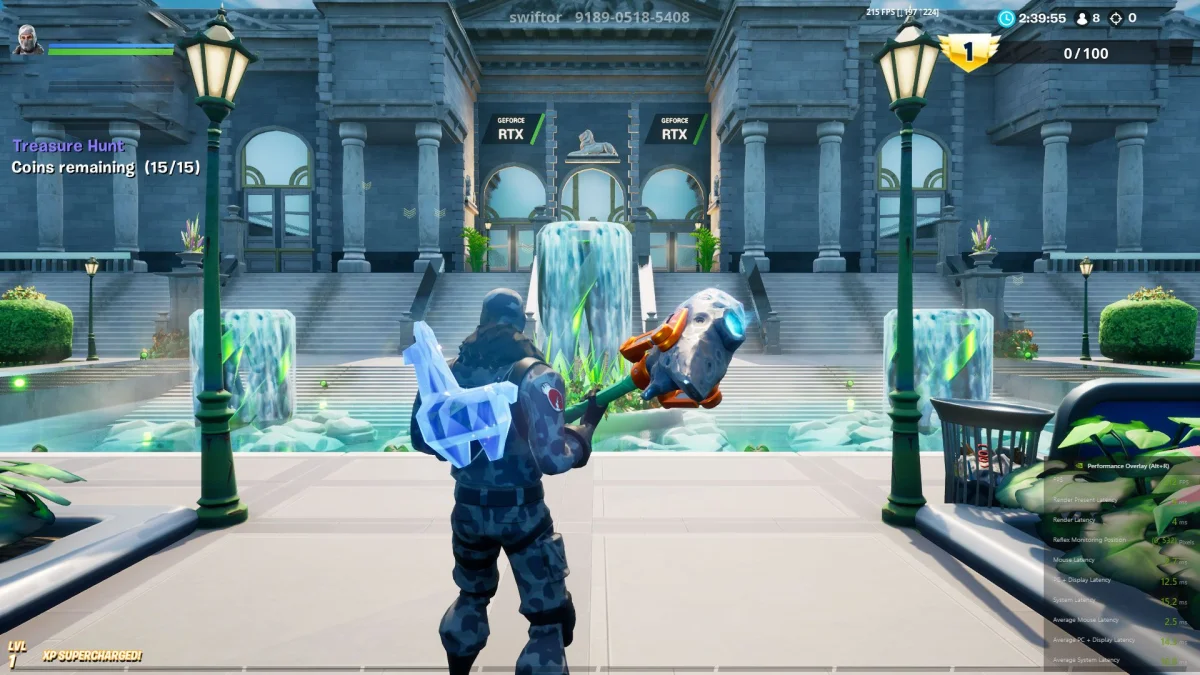
Epic Games is reportedly postponing a major shooter game tied to Disney's Marvel and Star Wars franchises, encouraging its developers to adopt an "AI-first" production model. Initially slated for a March 2027 release, the project will now launch at an unspecified future date.
Transitioning to AI-First Development
Internal communications reveal that team members working on the game have been instructed to eliminate handwritten code in favor of AI-generated content. This shift was underscored by one of the game directors, who suggested that art and coding would now rely on “full AI workflows.” Epic's founder, Tim Sweeney, confirmed this pivot in a post on X, stating, “We have a huge pivot underway here at Epic, moving developers around to retool for maximum AI acceleration.” He emphasized that the goal isn't merely reducing staff but enhancing productivity and creative output across all teams using Unreal Engine.
Though AI technologies have been met with mixed reactions within the industry, Sweeney seems committed to leveraging AI primarily as a tool to streamline developers’ workflows. He previously criticized the practice of adding AI tags to games, arguing that AI should not be misrepresented as a creative force but rather as a facilitator for repetitive tasks—such as debugging or asset refinement.
Developer Reactions and Industry Impact
The news has stirred mixed feelings among the development team. Many expressed astonishment, hoping the transition wouldn't become the new norm. Others humorously inquired whether they could request AI to rectify its own bugs. This project, intended to be the first of a series involving Disney's iconic intellectual properties—backed by a significant $1.5 billion investment in 2024—has faced delays largely due to resource constraints, including insufficient staffing to meet original timelines. The shift to AI-driven methodologies appears to be an attempt to accelerate development and recover lost ground.
Exploring AI Applications in Gaming
Artificial intelligence has increasingly found its way into game development, with some projects showcasing its potential to create complex gameplay experiences. For instance, developers have successfully utilized AI to create surprisingly detailed game prototypes, like a GTA-style clone set in Taipei, or even projects that have decompiled and restructured entire game codebases, such as in the case of “Call of Duty: Modern Warfare 2.” However, these successes come with costs; developers have reported hefty AI usage bills, with one studio facing expenses of $1,000 daily while determining optimal operational methodologies for their projects.
Despite the promise that AI brings to development efficiency, the industry remains divided. Some voices within the gaming community have even pushed back against AI utilization, as evidenced by a notable convention in the UK that banned games predominantly created through AI processes. The sentiment amongst some developers is that core creativity should remain a human endeavor, prompting discussions on the balance between human artistry and machine efficiency.
The Road Ahead for Epic Games
As Epic Games transitions towards an AI-centric approach, it’s essential to consider the broader implications for development processes and team dynamics. By shifting to AI-enabled workflows, Epic may open the door to new creative possibilities or risks concerning job security and creative autonomy. This change reflects a wider trend throughout the tech industry, where AI is envisioned to enhance productivity but often raises ethical questions about artistry and authorship.
Looking ahead, industry observers will likely watch how Epic Games navigates these challenges and what impacts the overall quality of gameplay and player experience may be as a result of AI integration. Whether this delay will prove to be a dead end or a strategic recalibration remains to be seen, but it illustrates a significant moment in the intersection of gaming and artificial intelligence.
As AI continues to evolve, both teams within Epic and the broader gaming community must adapt to these shifting paradigms and the complexities they introduce. The road ahead is fraught with uncertainty, but it could also lead to transformative advancements in game design and player interactions, making it a pivotal moment for developers and gamers alike.


