Security Vulnerabilities Emerge in Ledger Hardware Wallets Due to Reseller Compromise
| Shelf | AI & ML |
|---|---|
| Date in | |
| Readers | 978 |
Recent investigations reveal that certain Ledger hardware wallets sold by resellers in Southeast Asia and Europe have been compromised with hidden hardware that steals recovery phrases.
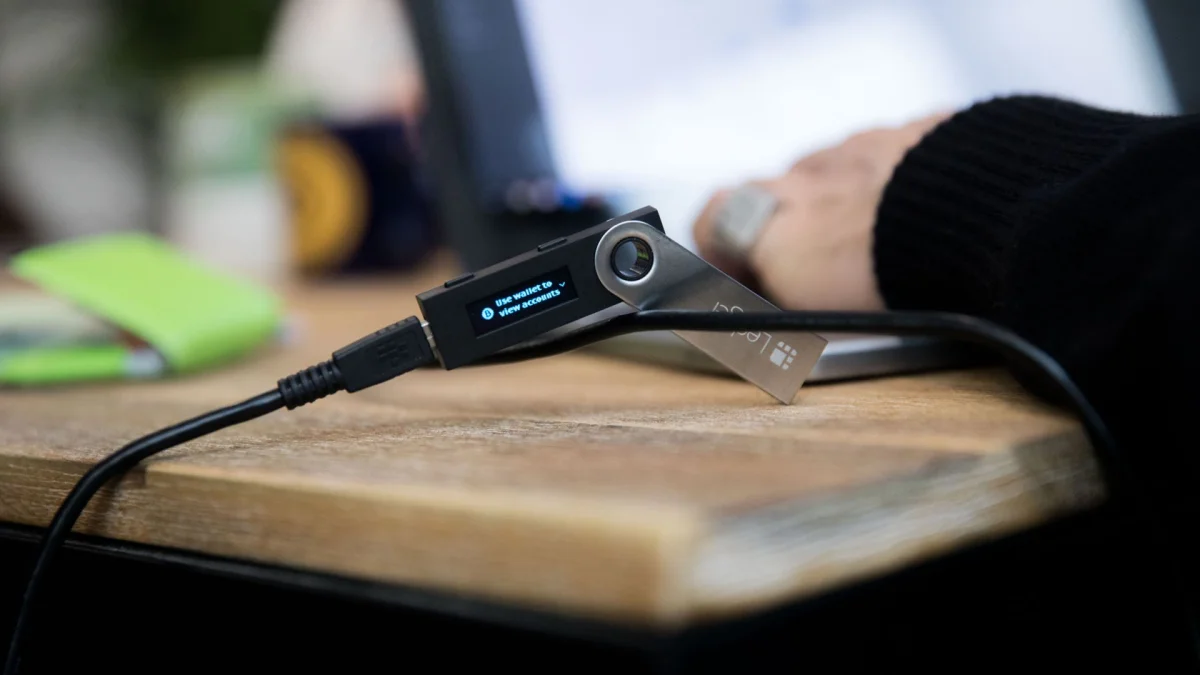
In the cryptocurrency domain, hardware wallets like those from Ledger are often championed for their purported security. However, the emergence of compromised devices sold by unauthorized resellers underscores significant vulnerabilities in this supposedly secure approach. An ongoing investigation has revealed that at least $93 million has already been siphoned off from user accounts through hacked wallets brimming with hidden eSIM and LTE modules, specifically designed to exfiltrate sensitive recovery phrases.
The investigation highlights the first known compromised wallet sourced from reseller Cryptobilis, which has promptly ceased sales of all hardware wallet models. This operation originated in Malaysia, but Cryptobilis also distributes wallets in Indonesia and the Philippines. Researcher Mark Karpelès, who has been scrutinizing the integrity of these wallets, discovered that one of the hacked units was purchased from Amazon Japan, linking it to a Chinese vendor and further demonstrating how compromised products can make their way into markets far from the original source.
JUST IN: UP CLOSE VIDEO SHOWS HOW HACKERS STOLE OVER $80,000,000 SILENTLY CORRUPTING LEDGER #BITCOIN WALLETS.
For users who might have purchased wallets from Cryptobilis in the last 90 days, Ledger recommends avoiding initial wallet setups, as compromise is believed to occur during this stage when the private key is configured. Those who have already completed their setup are advised to transfer assets to a new wallet armed with a fresh recovery seed. The exfiltration process leverages advanced techniques, including the installation of a flexible PCB beneath the display to capture key input visually, subsequently transmitting this data through the embedded cellular technology.
Reports have recently surfaced from Europe, specifically a case involving a customer named Johannes in Germany, who unearthed similar modifications in at least two wallets purchased at MediaMarkt, a leading retail chain. This raises further concerns regarding the potential for widespread compromise, as both units exhibited the identical hardware alterations seen in their Southeast Asian counterparts.
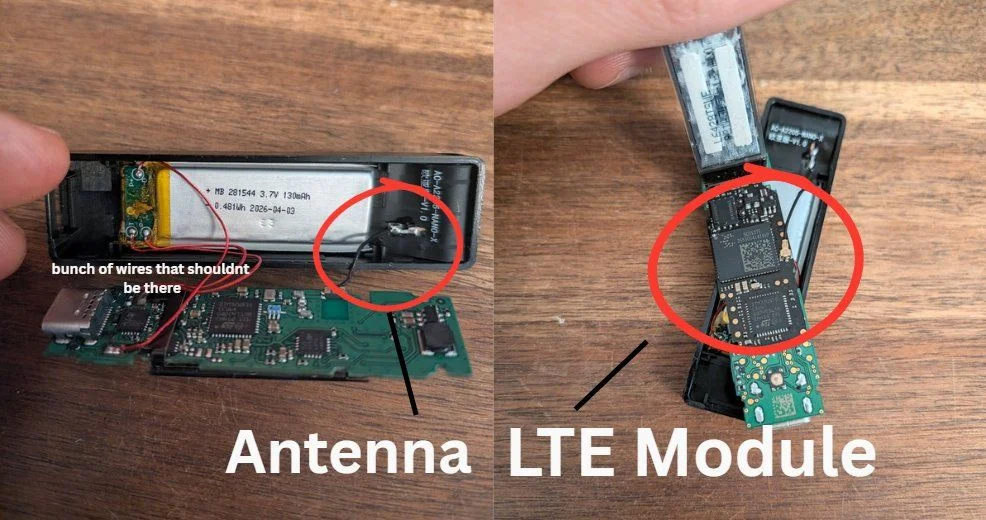
What’s particularly alarming is that most of the hacked wallets reported so far have been confirmed as brand new, not returned units repackaged with malicious intent. Criminals commonly exploit new hardware returns to deliver compromised devices to unsuspecting customers. Johannes’ investigations into the inventory revealed that at least one affected wallet had come from Aqipa GmbH, a distributor operating across Europe, prompting concerns about the vast scale of this issue beyond just a few isolated retailers.
The emergent nature of this situation has left Ledger with no formalized public guidance to share at this moment, though they are expected to follow up with precautionary steps akin to those provided for Cryptobilis customers. Mark Karpelès has pointed out that previous findings of compromised wallets involved hand-built implants, but the manufacturing quality of the newer discoveries indicates the existence of a potentially operational production line dedicated to intercepting and altering Ledger wallets.
In response to these security breaches, Ledger has issued a detailed guide for verifying the physical integrity of wallets. Their instructions include photographs of each component for every wallet model, allowing users to inspect their hardware closely for unapproved modifications. Furthermore, users are encouraged to download software exclusively from the official Ledger website. This step has become increasingly critical given the rise of fraudulent websites that masquerade as the legitimate Ledger site, often hosting malicious software that can further compromise security.
As the investigation unfolds, users of hardware crypto wallets need to remain vigilant. The findings raise various open questions, such as the full extent of compromised inventory across other retailers, potential methods used for the manufacturing of hacked wallets, and proactive measures companies like Ledger will implement moving forward. The implications of these findings stretch beyond consumer trust, pressing for more stringent security protocols in the hardware wallet market as a whole.


