Apple's Upcoming Siri Revamp Focuses on Privacy with Auto-Deleting Chats and Enhanced User Control
| Shelf | AI & ML |
|---|---|
| Date in | |
| Readers | 343 |
The next version of Siri, set for iOS 27, will prioritize privacy with features like auto-deleting chats and user control over conversation history.
Revamping Siri: What’s New in iOS 27
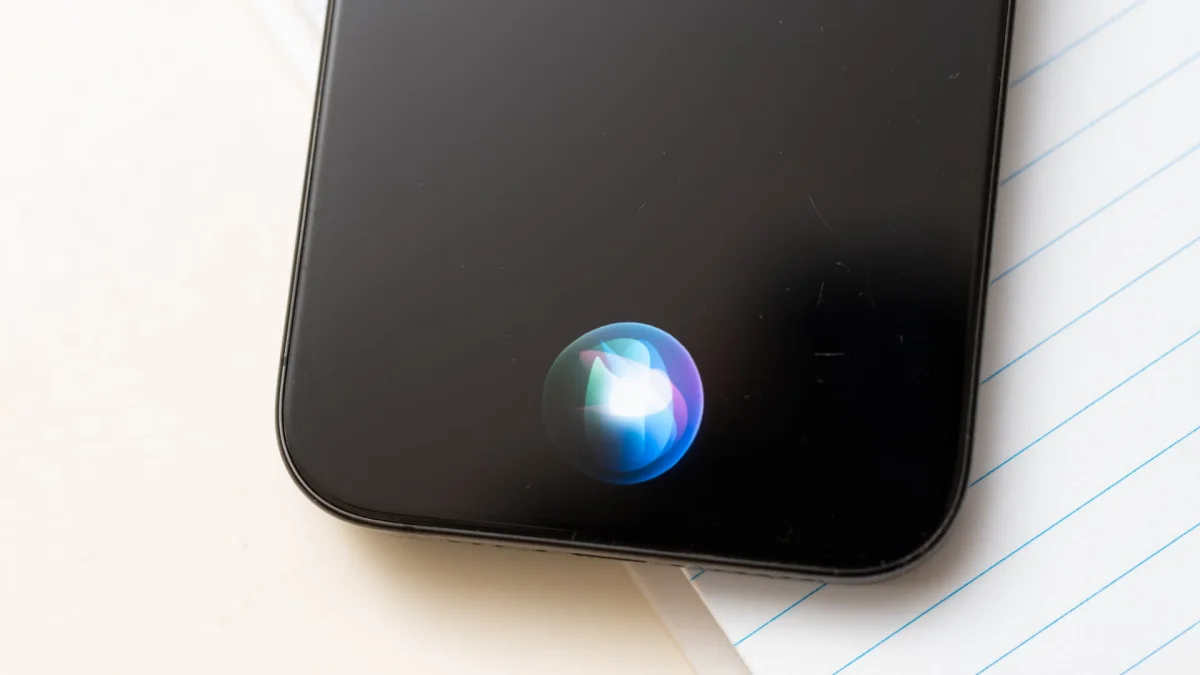
Apple's voice assistant, Siri, is undergoing significant changes in its upcoming release with iOS 27, as recent reports indicate a strong focus on user privacy and interaction customization. While Siri has long been a feature of Apple devices, this overhaul is intended to enhance functionality while addressing notable privacy concerns that have arisen in the AI space.
Privacy at the Forefront
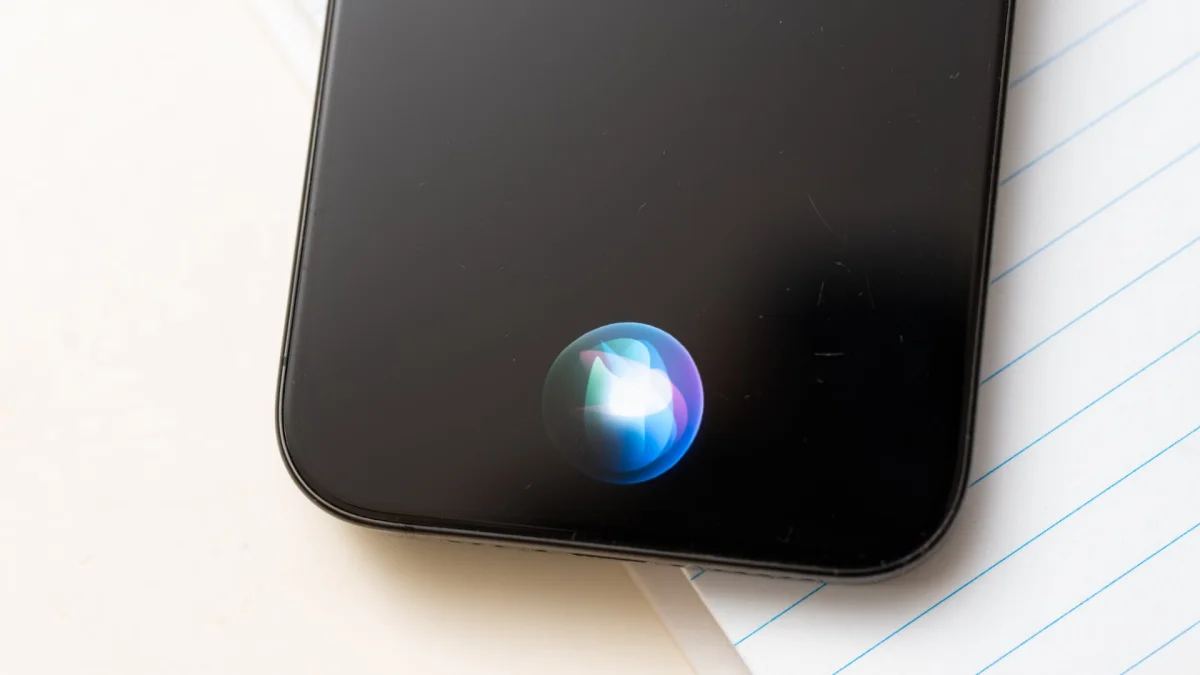
One of the most prominent features of the revamped Siri will be auto-deleting chats, aligning with Apple's commitment to privacy. As detailed in a report by Bloomberg's Mark Gurman, the Siri app will allow users to manage their conversation history more effectively. Specifically, users will have the option to retain their chats indefinitely, for one year, or for a more transient period of 30 days. This feature sets Siri apart from many competing voice assistants, which often retain user data without robust management options.
The motivation behind the auto-deletion feature stems from growing consumer awareness and concern regarding data privacy and the handling of personal information by digital assistants. As AI systems become more integrated into daily life, users are increasingly seeking ways to control their data. By providing options for how long interactions are stored, Apple not only adheres to privacy standards but also builds trust with its users.
User Interaction Enhancements
Beyond privacy, the upcoming Siri aims to improve user engagement through new interface options. Users will now have a choice on how the app launches: either starting with a new chat interface or displaying a grid of previous conversations. This feature not only caters to user preferences but also enhances usability by providing quick access to past interactions, which can be beneficial for tasks like reminders or follow-up queries.
This kind of customization in starting behavior is crucial for a seamless user experience. For engineers and product managers, it’s essential to recognize how these changes reflect broader trends in user-centric design practices. Competing products that prioritize customization can outperform services that do not adequately meet user needs.
Memory Management and Functionality Trade-offs
Another interesting aspect of Siri's redesign involves its memory functionality. Reports suggest that the assistant will impose stricter limits on recalling past interactions, in contrast to how some competitors operate. While this may restrict Siri's capability to leverage historical conversations for contextually aware responses, the trade-off favors enhanced user privacy. Limited memory can prevent the possible unintended sharing of sensitive information, aligning with the increasing demand for privacy-oriented technology.
For professionals involved in developing AI assistants, this decision speaks volumes about the direction in which the industry is heading. There appears to be a pivot towards building AI systems that prioritize safety and privacy over expansive contextual learning, which often comes with risks associated with data security.
Ad-Free Experience
In addition to these privacy features, Apple indicates that the revamped Siri will be marketed as an "ad-free" environment. This positioning contrasts sharply with other AI platforms, such as OpenAI's ChatGPT, which has begun integrating sponsored content within its chat services. By emphasizing an ad-free experience, Apple aims to differentiate itself in a crowded market, appealing to consumers who may feel overwhelmed or distracted by advertising in their interaction with AI.
This strategic decision not only reinforces Apple's brand ethos but also attracts users wary of monetized AI platforms. The implications for user retention and satisfaction could be significant, especially among professionals who rely heavily on personal assistants for productivity without distractions.
Implications for Users and the Market
The changes to Siri are indicative of broader shifts in the AI landscape as businesses around the world grapple with balancing user data utilization and privacy. From a practical standpoint, these enhancements may require existing Siri users to reassess how they engage with the assistant. The ability to control voice data retention will likely see an uptick in user confidence, fostering a more loyal user base.
In terms of migration effort, users accustomed to previous Siri functionalities may need a brief adjustment period to familiarize themselves with the new settings and interaction paradigms. However, for teams developing applications utilizing Siri, these changes could pave the way for new features that align closely with user privacy expectations and security standards.
Looking Ahead
As Apple prepares to roll out these changes, it will be vital for engineers and product managers to observe the market's reaction. Will other competitors follow suit in emphasizing privacy? What additional measures will companies implement to safeguard user data? It’s these questions that will shape the narrative around AI interactions in the upcoming years. As the tech industry evolves, the emphasis on user privacy and customization will likely dictate the success of future advancements in smart assistants.


