Musk Defies Court Order Amid High-Stakes OpenAI Trial with Unscheduled Trip to China
| Shelf | AI & ML |
|---|---|
| Date in | |
| Readers | 727 |
Elon Musk's recent trip to China—against a court order to remain available for testimony—raises questions about legal accountability for high-profile figures.
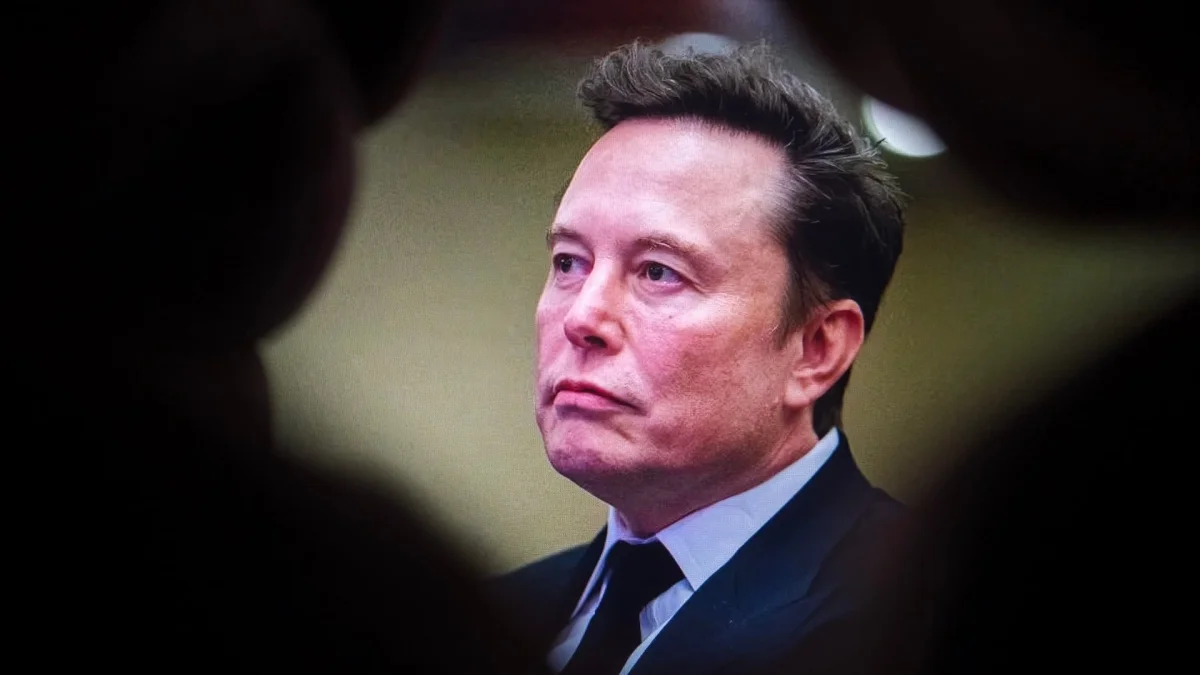
Elon Musk's recent actions during the ongoing Musk v. Altman trial underscore a striking disconnect between legal expectations and the realities of celebrity status in the tech world. Ordered by a U.S. federal judge to remain available for potential testimony in a complex, high-stakes courtroom saga, Musk opted to board a flight to China, leaving many in the tech and legal communities questioning the implications of his defiance.
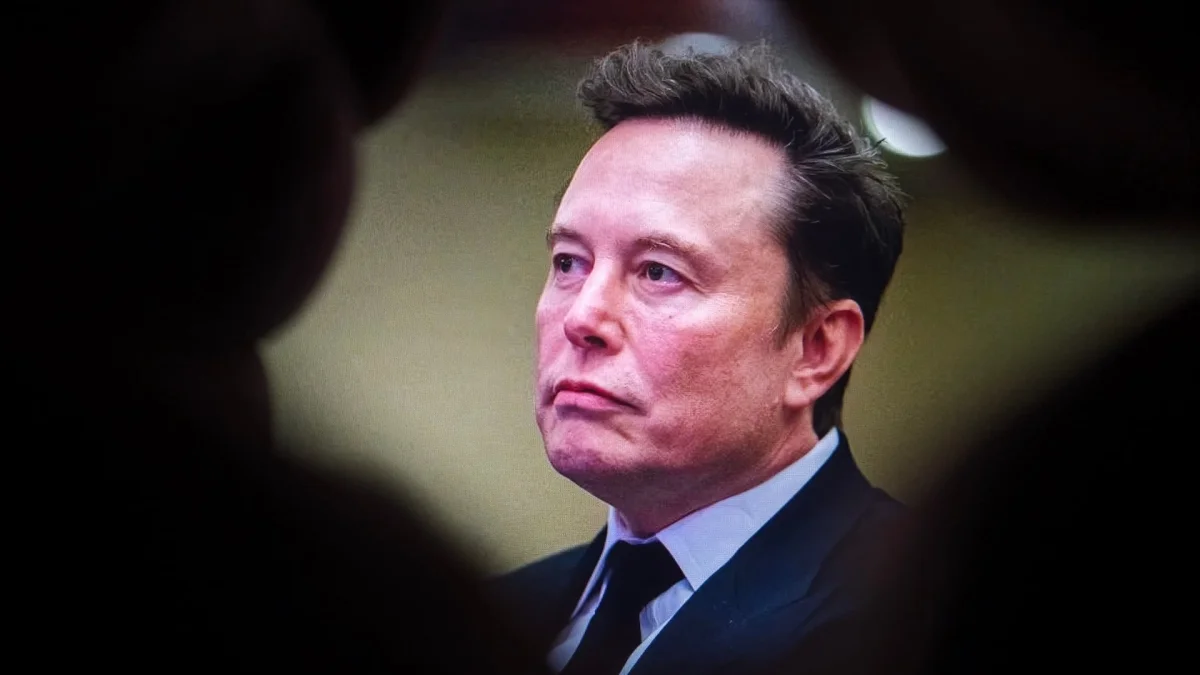
Judge Yvonne Gonzalez Rogers, presiding over the trial in Oakland, California, had placed Musk on "recall status" after he concluded his testimony last month. This particular status means that Musk could be summoned back to the stand if the trial necessitates further clarity or if new evidence comes to light. Her directive was clear: Musk should stay close to the courthouse to ensure he could return if needed.
However, rather than heeding this legal instruction, Musk traveled internationally to accompany former President Trump on a state visit to China. The trip was significant, reportedly aimed at discussing strategic issues including Taiwan, Iran, and the future of artificial intelligence. Sources confirm Musk did not receive any judicial clearance for this journey. Such a blatant sidelining of a court order does beg the question: How does one hold a figure like Musk accountable?
At the heart of this legal tumult lies a lawsuit Musk initiated against his former OpenAI co-founders, including CEO Sam Altman. Musk alleges that by converting OpenAI from a nonprofit structure to a for-profit one, the co-founders committed fraud. This dramatic pivot has raised eyebrows not just for its financial implications, but also for its ethical considerations regarding the direction of one of the world's leading AI organizations. Musk's claims are particularly pointed, suggesting misconduct at the very highest levels of one of today’s most influential tech entities.
The trial has attracted significant attention, with gripping exchanges in the courtroom. Recent testimony from Altman accused Musk of being more concerned with diverting the company’s focus to social media antics than on its future direction. In one pointed remark, Altman asserted that Musk's engagement with OpenAI often came secondary to his indulgence in sharing "memes on his phone."
The backdrop of this legal conflict is already complicated by Musk's earlier involvement in the AI sector, notably through his role in founding OpenAI. His departure from the organization post-2018 has led to substantial tension, creating an environment ripe for disputes that reflect deeper philosophical divides on the future of AI. Musk's accusations, while reflecting personal grievances, expose fundamental conflicts regarding profit motives versus public service missions in the tech world.
The jurisdictional issues surrounding Musk’s travel are particularly salient. While the law does not explicitly prohibit witnesses on recall status from traveling, there is an implicit expectation of availability. Traditional jurors summoned for testimony would not typically travel great distances, particularly internationally, while cases are still in progress. Musk challenges this norm, hinging his status on a blend of popularity and the unique stature he holds within the tech industry.
In previous trials, judges have sanctioned witnesses for failing to comply with directives that maintain courtroom integrity and witness availability. Judge Gonzalez Rogers has established herself as a no-nonsense authority in the judiciary, previously reprimanding those attempting to document courtroom proceedings without permission. Her willingness to sternly address courtroom conduct suggests that Musk might ultimately face repercussions for his actions, or at the very least, create a precedent regarding the accountability of high-profile figures in legal settings.
As the trial approaches its closing arguments, expected on Thursday, it remains to be seen how Musk's latest antics will influence the final verdict. The dynamic nature of courtroom proceedings, alongside Musk's unpredictable behavior, contributes to a charged atmosphere, making the results hard to predict. Stakeholders across the tech sector should be particularly attentive, as the implications of this legal battle could have repercussions extending far beyond this singular case.
Ultimately, Musk’s flight to China raises larger questions about how the legal system navigates accountability among influential figures. As the audience watches the court unfold, the drama encapsulates the inherent complexities of balancing legal authority with star power in today’s fast-paced tech landscape.


