SK hynix's Strategic Maneuver: 3D NAND Fab Proposal Tied to U.S. Export Licensing
| Shelf | AI & ML |
|---|---|
| Date in | |
| Readers | 617 |
SK hynix aims to establish a U.S. 3D NAND fab, leveraging it as leverage for U.S. export approvals for its Chinese facility, with implications for the NAND market.
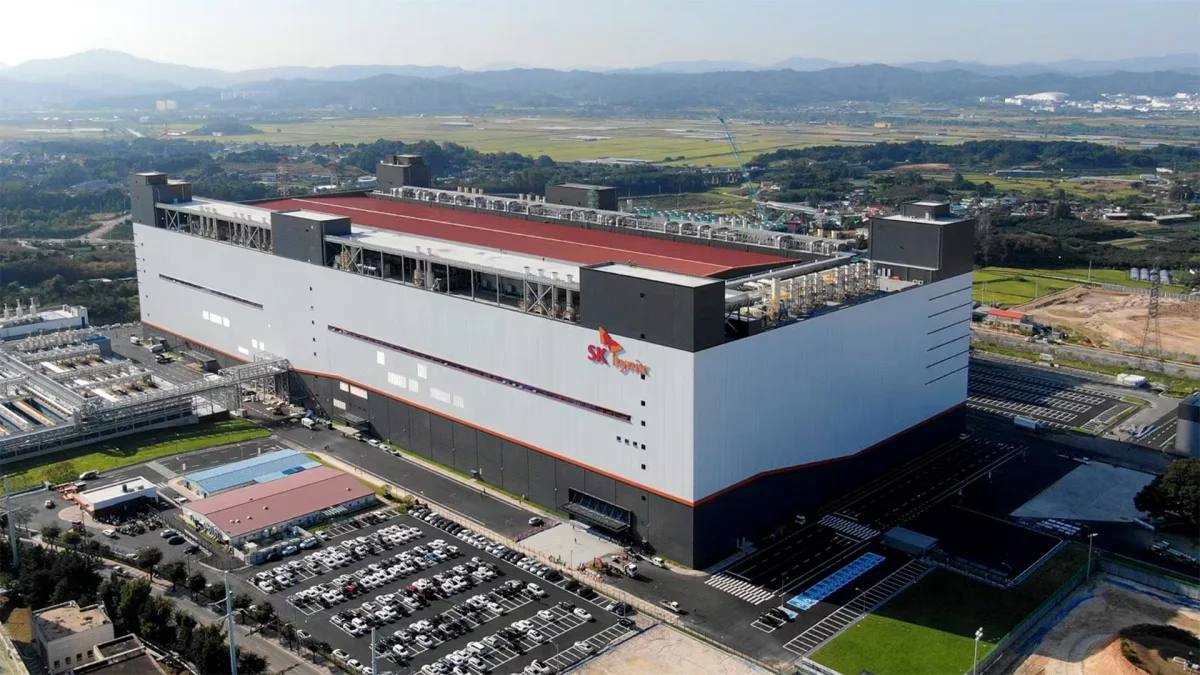
Recent reports indicate that Solidigm, a subsidiary of SK hynix, is contemplating the establishment of a 3D NAND fabrication facility in the United States. This move comes as a shock, given that the country has not seen NAND flash memory production for years. However, it seems this proposal is a calculated strategy. SK hynix is reportedly using the promise of the U.S. fab as leverage to secure authorization from the U.S. government for additional semiconductor manufacturing equipment exports to its Dalian facility in China. This tactic could significantly influence the dynamics of the NAND flash memory market.
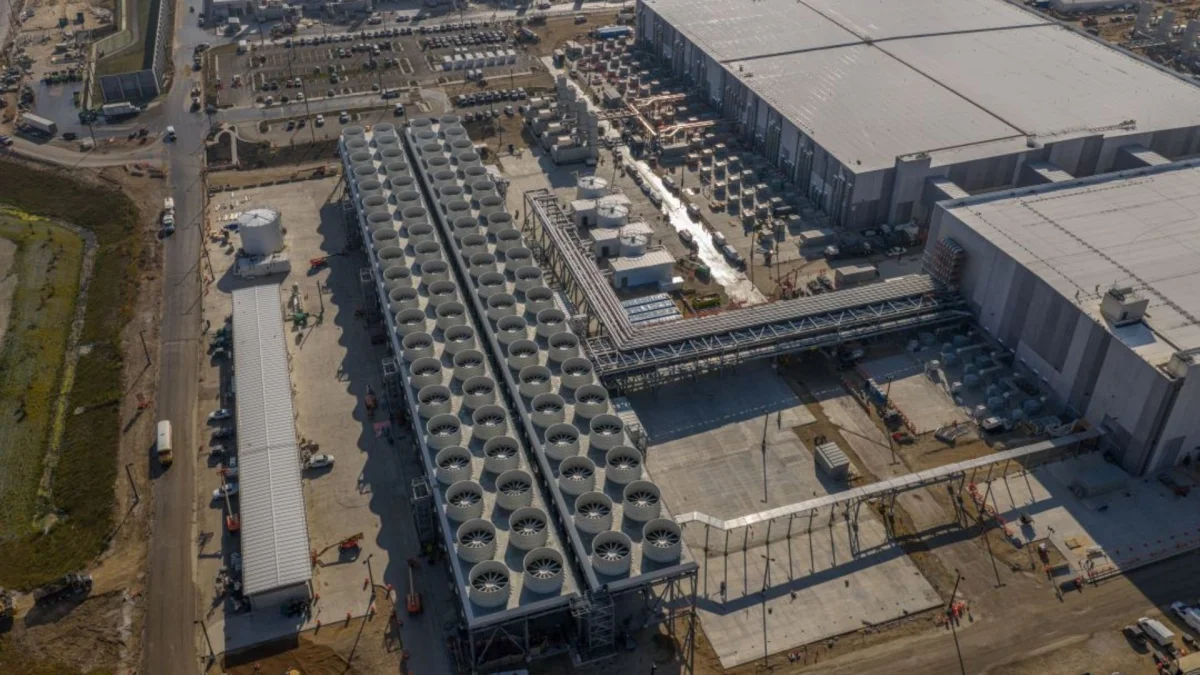
The Dalian fab is currently the sole facility producing 192-layer floating gate 3D NAND, primarily designed for Solidigm's SSDs targeting AI, enterprise, and hyperscale data centers. This operation depends heavily on equipment from leading American suppliers such as Applied Materials, KLA, and Lam Research. U.S. regulations stipulate that exports to China's semiconductor sectors necessitate government approval, which poses a challenge for manufacturers like Solidigm. While the government has historically permitted some tool shipments for existing facilities, it has been less accommodating when it comes to approving new capacities or advanced manufacturing technologies.
Solidigm has made attempts to obtain U.S. export licenses for additional tools; however, the response has been lackluster. The U.S. Commerce Department did grant SK hynix a conditional authorization last December for equipment deliveries to the Dalian site, but similar permissions for 2027 have yet to be approved. In a strategic move, SK hynix is proposing that if the U.S. grants the necessary licenses for its Dalian expansion, it will follow through with the promise of building a 3D NAND fab on American soil. Such a step could serve to bolster the Trump administration's agenda of revitalizing semiconductor manufacturing in the U.S.
Space and Capacity Concerns
At the Dalian facility, Solidigm is looking to utilize the unused portions of its Mod B building, which was completed in 2023 but never fully equipped due to unfavorable market conditions. A portion of the production capabilities remains idle, leading to lost revenue opportunities since Solidigm is reportedly selling every SSD it produces. The unused capacity represents a tangible financial concern for the company, and filling that space with additional tools would enhance operational profitability without breaching regulations, as the building's completion date falls outside the expected expansion timelines.
Further production at the Dalian site could generate funds essential for building the proposed U.S. fab, simultaneously allowing Solidigm to maintain operations while new manufacturing capabilities come online domestically. Furthermore, the company is eyeing an initial public offering as early as 2027, a move that could provide additional capital to support its expansion plans.
Technological Advancements on the Horizon
Solidigm has reaffirmed its commitment to advancing floating-gate 3D NAND technology, intending to explore fifth and sixth-generation options beyond the existing 192-layer architecture. Avi Shetty, the leader of Solidigm's AI solutions, highlighted the objective to maximize factory utilization and profitability in a recent conversation. Despite the enthusiasm for advancing NAND technology, specifics surrounding the Dalian fab’s production increase or the U.S. facility remain unconfirmed.
The strategic implications of this situation cannot be overstated. By tying the commitment to build a U.S. facility with the requirement for U.S. export licenses for its Chinese operations, SK hynix is playing a high-stakes game. This approach not only serves its interests in expanding its manufacturing footprint but also aligns with the broader U.S. initiative to reshore semiconductor production. Such a capability could ultimately alter the landscape of NAND flash memory production, especially given the current geopolitical climate surrounding semiconductor technologies.
As it stands, this initiative by SK hynix is a significant pivot in the memory market. The potential for a U.S. 3D NAND fab opens doors for operational synergies and could influence pricing strategies and supply chain dynamics within the industry. That said, the outcome of SK hynix's negotiations with the U.S. government remains a critical factor to monitor. Will the administration view this investment favorably, or will the concerns regarding technology transfers to China complicate matters further? Investors and industry watchers alike should keep an eye on these developments as they unfold.
Ultimately, the future of Solidigm, and possibly the U.S. NAND market, hinges on the government's response to these strategic proposals. The delicate balance between enhancing domestic manufacturing and managing international relations will play a significant role in the outcomes of these negotiations, dictating the pace of advancements in the NAND space.


