Nvidia RTX 5090 Faces Supply Issues as Micro Center Discontinues Stock
| Shelf | AI & ML |
|---|---|
| Date in | |
| Readers | 607 |
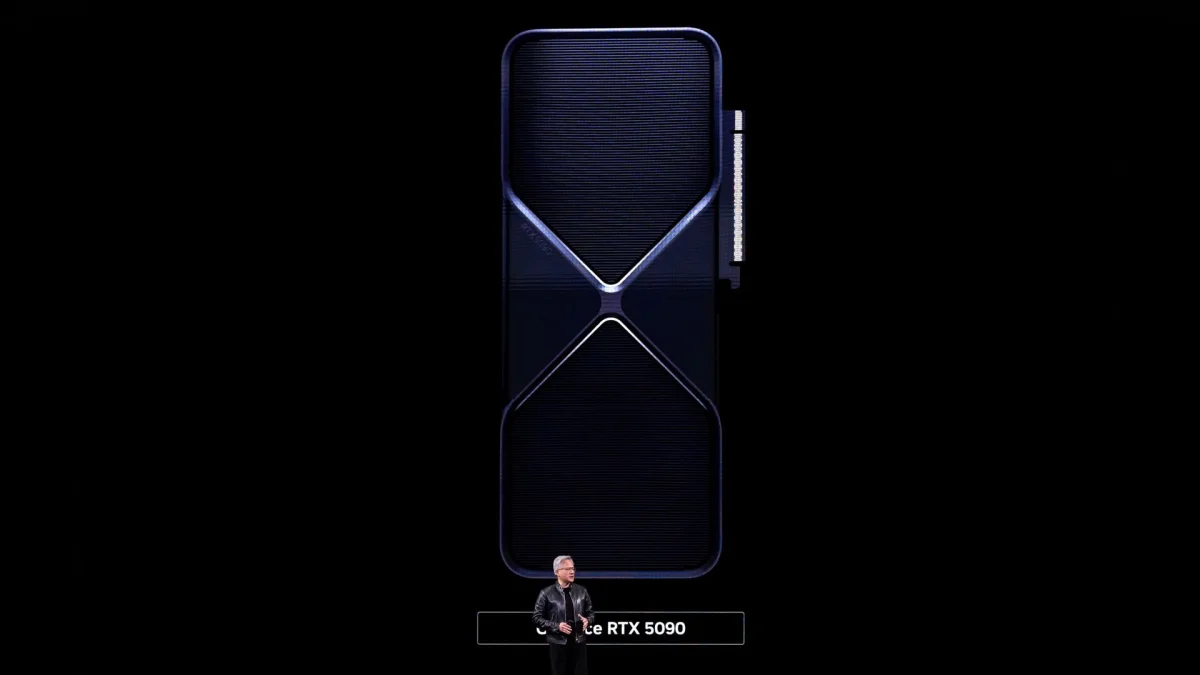
Supply challenges are intensifying for the Nvidia RTX 5090, with Micro Center removing it from inventory, hinting at possible production halts.
Market Realities of the RTX 5090
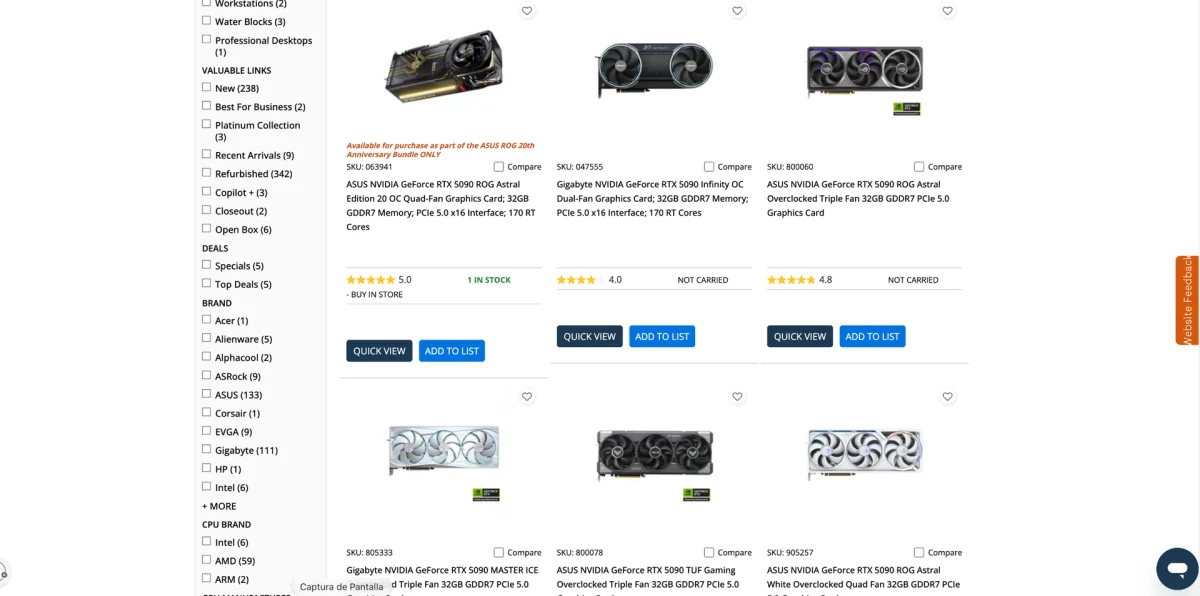
For many gamers and enthusiasts eyeing the GeForce RTX 5090, acquiring this highly esteemed graphics card has already been fraught with challenges due to escalating prices and scarce availability. However, recent developments suggest that obtaining this sought-after card could soon become impossible. Micro Center, a popular retailer among tech aficionados, has classified the RTX 5090 as "Not Carried," indicating a critical shift in its market presence.
Understanding the 'Not Carried' Designation
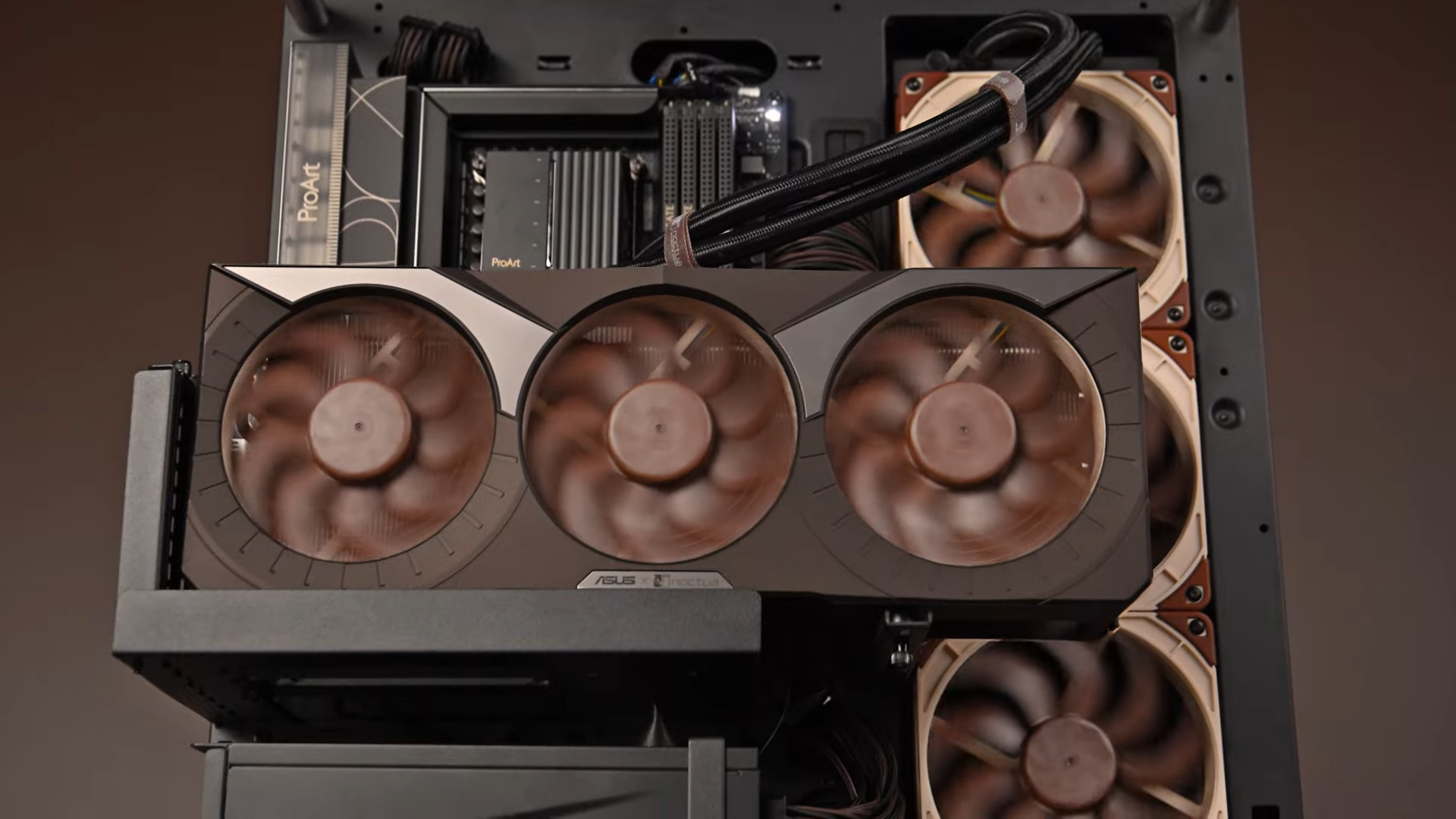
Unlike a standard “out of stock” label—which typically suggests that a retailer intends to restock once new shipments arrive—the "not carried" designation signals that the product has been removed from the retailer’s catalog entirely. This move implies that Micro Center does not foresee adding the RTX 5090 back into their inventory. We reached out to Micro Center for clarification, but details remain sparse. This raises questions: Are they responding to low demand, or could it indicate deeper issues within Nvidia’s supply chain?
Current Inventory and Scarcity Signals
While Micro Center's website still displays listings for custom RTX 5090 graphics cards from Nvidia’s partners, such as Asus, MSI, and Gigabyte, an urgent inspection reveals that these models have sold out at retail locations. This scarcity lends credence to ongoing rumors that Nvidia has indeed halted production of the RTX 5090 altogether. The dwindling stock isn't just a logistical issue—it reflects shifting consumer priorities and a saturated market grappling with high prices.
The Allure of the Asus GeForce RTX 5090 ROG Astral Edition 20
Currently, the Asus GeForce RTX 5090 ROG Astral Edition 20 stands as the lone model still accessible at some Micro Center locations, but it comes with a hefty price tag attached—it’s only available as part of the exclusive Asus ROG 20th Anniversary Bundle, priced at nearly $11,000. This situation illustrates a troubling trend: the most sought-after graphics cards often come bundled with add-ons at exorbitant prices. Many consumers might find themselves paying more for peripherals they neither need nor want just to obtain the card.
Customer Experiences and the Hunt for RTX 5090
Compounding the uncertainty, an account surfaced on Reddit detailing that on October 9, Micro Center staff were reportedly seen removing all RTX 5090 graphics cards from the store shelves, precisely before the production halt rumors began to circulate. The thread reveals how the person inquiring about a specific model, the Asus ProArt GeForce RTX 5090, was left in the dark regarding the cards' sudden disappearance. Staff mentioned the graphics card was being relocated, but no detailed rationale was provided. This lack of transparency fuels speculation and frustrates consumers eager for clarity in an already tumultuous purchasing environment.
Another noteworthy anecdote involved the Redditor attempting to purchase an RTX 5090, only to find two models still available. The narrative humorously underscores the lengths to which consumers will go to secure a unit amid tightening supply—this individual ultimately bought the Gigabyte GeForce RTX 5090 Aorus Stealth Ice, which reportedly was matched against a less expensive model. Such stories highlight a willing desperation among consumers, revealing a stark disconnect between desire and availability.
Nvidia's Silence and Potential Production Halts
Despite the swirling rumors surrounding the RTX 5090's production status, Nvidia has yet to make any official statement clarifying the situation. The graphics card remains listed on Nvidia's website, marked with a starting price of $1,999, a number that hasn’t been practically attainable for consumers for quite some time now. Early rumors suggested production might have ceased, but without a formal confirmation, speculation is rife. At this point, Nvidia's silence is unsettling. It suggests either a strategic move to lessen panic or a significant operational hiccup that might leave loyal customers feeling abandoned.
Market Dynamics and Shifting Priorities
The rationale for Nvidia’s rumored reassignment of production resources appears to hinge on shifting market demands. By diverting the GB202 silicon, the RTX 5090's core chipset, toward Nvidia's professional lineup—where demand and profit margins are higher—it becomes evident that Nvidia might be prioritizing initiatives that yield better financial returns. Applications in the RTX Pro 6000 Blackwell, RTX Pro 5500, and RTX Pro 5000 lines could drive greater profitability compared to the gaming-focused RTX 5090. Here’s the thing: this kind of focus is not uncommon in the technology sector. Companies often pivot to higher-margin products, particularly when consumer interest begins to dwindle, but the potential ramifications for the gaming community could be severe.
Future Outlook: A Mythical Product?
Consequently, the once-coveted GeForce RTX 5090 seems on track to transition from a flagship graphics card to a nearly mythical product, potentially out of reach for most regular consumers. With mounting supply challenges and the absence of clear communication from Nvidia, enthusiasts must now consider whether to explore alternatives or hold out hope for future supply replenishments—if they materialize at all. If you’re working in this space, diversification of your tech investments may well be the only option left for those who refuse to pay inflated prices or gamble on scarcity. Retailers and consumers alike will undoubtedly be watching this situation unravel; the implications could reshape our understanding of the GPU market and set new benchmarks for availability and pricing.
As we navigate through this evolving situation, keeping an eye on Nvidia's official channels and announcements will be key. If production truly has slowed or halted, the implications for pricing, market dynamics, and availability will likely extend beyond the RTX 5090, impacting the broader GPU sector.


