Ledger Responds to $93 Million Crypto Wallet Breach with Supply Chain Overhaul
| Shelf | AI & ML |
|---|---|
| Date in | |
| Readers | 789 |
Following a $93 million theft linked to supply chain tampering, Ledger plans to enhance its sales policies and tamper detection methods for hardware wallets.
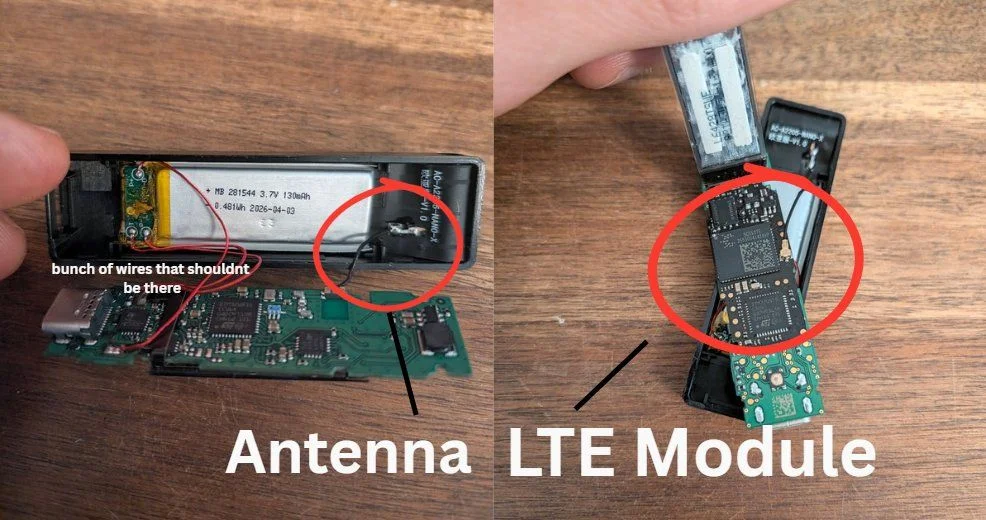
In the wake of the significant “Cryptobilis incident,” Ledger has initiated a thorough review of its sales policies and supply chain management practices. This breach involved the tampering of hardware wallets and resulted in the theft of $93 million in cryptocurrency, as reported by Bloomberg on October 13. Ledger's Chief Technology Officer, Charles Guillemet, confirmed this review in a social media update, highlighting the company's intent to strengthen its anti-tampering protections.
The alarm was raised on October 9, when numerous users reported that their previously secure Ledger devices experienced simultaneous unauthorized withdrawals across major networks, including Bitcoin, Ethereum, and Tron.
The Nature of the Breach
As the investigation progressed, Ledger revealed on October 10 that a physical implant equipped with a cellular/LTE module had been found inside at least one tampered device. This unauthorized hardware had been discreetly installed in brand-new wallets during the supply chain process. When users set up their devices, the rogue chip would capture the crucial 24-word recovery seed phrase displayed on the wallet's screen. Furthermore, this chip utilized its integrated cellular capabilities to relay the unencrypted recovery phrase back to an external server controlled by the attackers.
This method exposed a substantial security gap; the tampering nullified Ledger's standard “Genuine Check” protocol, which is designed to verify the integrity of the firmware running on the wallet. Instead, the unauthorized hardware operated beyond Ledger's protective layers, effectively granting attackers access to clone private keys and drain funds remotely.
Ledger's Response and Future Measures
In reaction to these alarming discoveries, Ledger promptly instructed CryptoBilis to cease sales and shipments of its hardware. CEO Pascal Gauthier articulated the broader implications of this incident, stating, “Physical supply chain tampering is a risk for the whole industry.” He emphasized that the firm is reevaluating the entire chain-of-custody processes associated with both direct sales and its relationships with resellers.
To bolster the integrity of its operations, Ledger is actively inviting cybersecurity researchers and other vendors to collaborate on evaluating its supply chain controls and tamper detection practices. The company is also communicating directly with users who may have purchased affected devices, instructing them to reach out for guidance on examining their wallets for signs of tampering.
Operational Changes and User Guidance
As part of its restructuring efforts, Ledger is tightening its vendor verification requirements. This entails more stringent tracking protocols, a shift towards sourcing components exclusively through approved channels, and enhancing oversight of returned products to prevent the restocking or resale of potentially compromised units. The company also reassured users that its internal systems, firmware, and direct sales channels remain secure, alleviating some concerns about a broader compromise.
During this interim period, Ledger urges users who obtained wallets from third-party resellers to take precautionary measures. Users are advised to transfer their cryptocurrency holdings to a new wallet set up with a securely generated 24-word recovery phrase. This step is crucial in ensuring that their assets remain protected while Ledger undertakes further investigations.
Looking Ahead
The ramifications of the Cryptobilis incident extend beyond Ledger, as it underscores a systemic vulnerability that could affect the entire cryptocurrency hardware wallet market. Companies operating in this space must consider the implications of physical supply chain security, and beyond just Ledger, the necessity for enhanced tamper detection measures is apparent.
As Ledger moves forward, industry observers will closely monitor its progress. The outcomes of the ongoing investigations and subsequent changes in its supply chain protocols will likely set important precedents for security practices in the cryptocurrency community. Furthermore, there remains a significant emphasis on resilience against similar threats in the future, not only for Ledger but for all hardware wallet manufacturers. The challenge now is to rebuild user trust while placing an unwavering focus on securing the integrity of the devices that safeguard digital assets.


