Rising Prices of Nvidia GPUs in Japan: A Warning for Global Markets
| Shelf | AI & ML |
|---|---|
| Date in | |
| Readers | 494 |
Nvidia GPU prices in Japan are surging, with some models up to 41% higher than their US counterparts, signaling potential global supply issues.
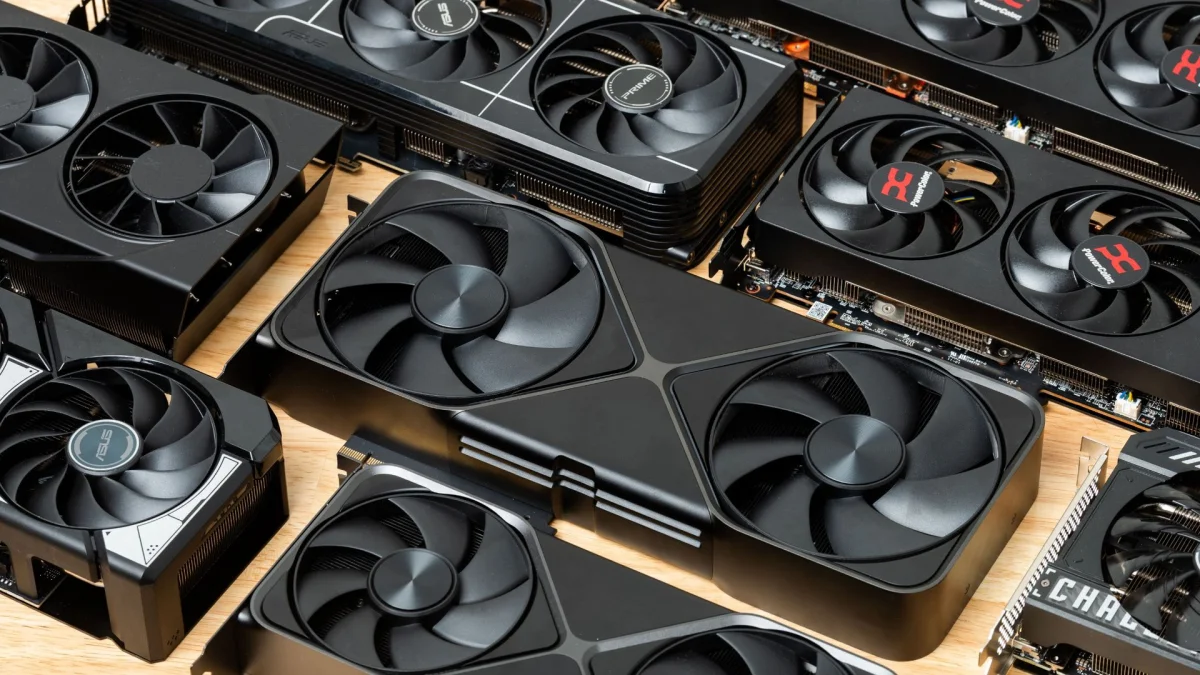
Recent observations from a Reddit user reveal concerning price increases for Nvidia's RTX 50-series graphics cards in Japan. As reported by u/Chaise91 in the r/pcmasterrace subreddit, retail prices for these high-demand graphics cards are markedly higher than equivalent listings on Amazon in the U.S., with hikes ranging from 5.66% to an alarming 41.1%. This discrepancy is largely attributed to ongoing supply chain issues, compounded by soaring demand driven mostly by the expansive needs of AI computing.
Reports indicate that Nvidia may be shifting its production priorities, halting the manufacturing of the much-anticipated RTX 5090 in favor of GPUs tailored for AI data centers and professional applications. As the tech industry pivots to meet the needs of advanced computing tasks, the implications for the consumer market can be profound. Consequently, high-end GPU stock has largely evaporated from online retailers, making availability a pressing concern for gamers. In some instances, third-party sellers are now listing the RTX 5090 for nearly $10,000, pushing the average gamer further into a conundrum regarding their next graphics upgrade.
Price Comparison: Japan vs. the U.S.
To provide deeper insight into this situation, we've compiled a comparative analysis of current pricing from a Japanese retailer against corresponding U.S. listings. Using an exchange rate of JPY 153.38 per USD 1, the costs for select models illustrate a striking trend:
| Item | Japan Price (JPY) | Japan Price (USD) | US Price (Pre-Tax) | % Difference (Pre-Tax) | US Price (8.5% Tax) | % Difference (8.5% Tax) | Amazon Link |
|---|---|---|---|---|---|---|---|
| RTX 5080 Average Price | 330,514.43 | 2,154.87 | 1,911.87 | 12.71% | 2,074.38 | 3.88% | - |
| Asus ProArt GeForce RTX 5080 16GB GDDR7 OC Edition | 387,800.00 | 2,528.36 | 1,869.46 | 35.25% | 2,028.36 | 24.65% | Link |
These figures reflect pre-tax prices, which could vary depending on local tax rates in the U.S. When factoring in an estimated sales tax of 8.5%, the price discrepancies extend from about 3.88% to over 30% in numerous cases. The most notable increases involve the RTX 5060 Ti 8GB, where Japanese prices soar by 41.1% compared to pre-tax U.S. prices. This kind of radical price shift underscores the strained supply chains currently afflicting the tech sector and signals that consumers may have to pay a premium or risk waiting longer for availability.
Market Implications and Future Outlook
While Japan has traditionally seen steeper pricing for electronics, the current climate suggests serious ramifications for gamers both there and globally. If you're working in this space, consider how these trends might shape your purchasing strategies. Past trends have shown that pricing dynamics often migrate westward; a strategy that became evident when Japanese retailers restricted sales of SSDs, HDDs, and RAM last year due to shortages. With these price trends potentially signaling future increases in the U.S. market, it's becoming harder to ignore the implications.
The ongoing chip shortage is a compelling factor driving these price increases. Manufacturers, including Nvidia, continue to grapple with producing sufficient inventory to meet consumer demands, which range from gaming consoles to high-performance workstations for AI applications. The concern here is that while demand is increasing, production can't keep pace, leading to stock shortages that end users are all too familiar with. Although there’s been speculation that the situation might stabilize soon, the uncertainty continues to loom large over potential hardware acquisitions.
For those actively seeking to upgrade their systems, the combination of increased GPU prices and ongoing supply shortages may create a perfect storm for buyers. The landscape is nothing if not dynamic. These factors make it clear that potential buyers should avoid procrastination if they wish to secure better pricing before trends worsen. The reality is that ongoing disruptions might push prices even higher, impacting personal budgets and gaming experiences.
Implications for Consumers
Ultimately, while current prices in Japan signal distress in the local market, they are harbingers for global consumers as well. This is more significant than it looks, especially since consumer behavior often follows price trends. Buyers need to be vigilant in monitoring shifts in the market. If price hikes continue, not only will securing a desirable GPU become a challenge, but you'll also face the reality of paying significantly more for the same hardware months from now. Keeping track of pricing trends and anticipating potential market shifts could mean the difference between obtaining a desirable GPU at a reasonable price or facing steep demands in the not-so-distant future. (And this is the part most people overlook.)


