Soaring Costs: The State of DDR5 6000 RAM Prices Amid Ongoing Component Shortage
| Shelf | AI & ML |
|---|---|
| Date in | |
| Readers | 804 |
DDR5 6000 RAM prices have escalated to $450, driven by a chip shortage and impacting overall PC component costs. Here's what this means for buyers.
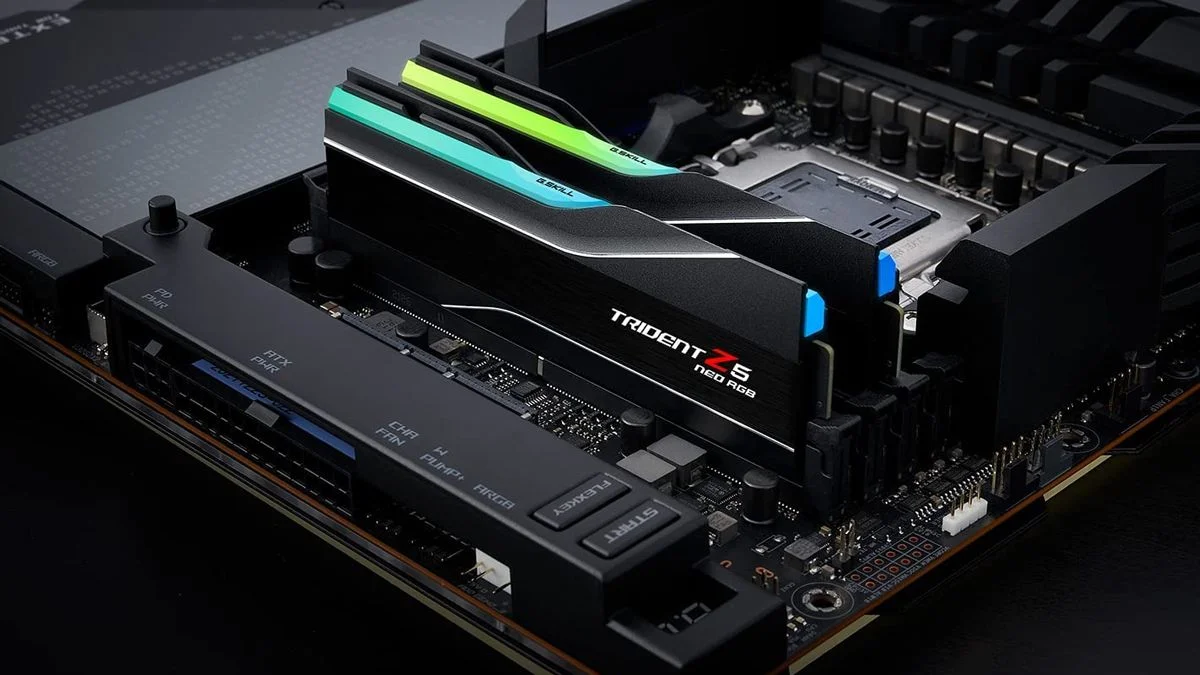
The ongoing chip shortage exacerbated by the surge in AI technology adoption continues to heavily strain the PC component market, particularly impacting RAM prices. Since last year, the cost of DRAM has skyrocketed, showing an increase of over 500% in some cases. DDR5 6000, which is increasingly recognized as the optimal blend of cost and performance, has reached a troubling price point of $450.
The Benchmark for Performance
DDR5 6000 RAM isn’t just a random spec; it has become the de facto standard for mid-to-high-end builds due to its formidable performance capabilities. This makes it a crucial metric for evaluating the health of the memory market overall. The current pricing trend is alarming for DIY builders and enthusiasts alike, as they are now tasked with funding a sector that has shifted dramatically toward luxury pricing.
The industry has been monitoring prices closely, with current reports indicating that the lowest-priced 32GB DDR5 6000 kit is listed at $449.97—just a few cents shy of the significant $450 mark. In comparison, a slower 32GB DDR5 4800 kit is still available at approximately $399, which is noteworthy given that these slower kits were once priced as low as $80 less than a year ago.
Impact on the Market
As component prices rise, the implications extend beyond just RAM. The entire PC market is feeling the pinch, as evidenced by a recent report highlighting that PC shipments fell by over 20% in the third quarter of 2026. Equipment manufacturers have shipped 11.6 million fewer units year-over-year, indicating a serious downturn in consumer demand for new systems. Higher costs are discouraging potential buyers, while many are opting to delay their upgrades or new builds.
These escalating prices put a squeeze on DIY PC builders, with high-performance components becoming increasingly difficult to source without paying a premium. The traditional route of sourcing individual parts has become less attractive as shadow pricing begins to dominate, where enthusiasts face the dilemma of either waiting for prices to adjust or spending considerably more to maintain performance standards.
Combo Deals and Alternatives
However, there remains a glimmer of hope through package deals and pre-built systems that can mitigate some of the financial strain. Retailers like Newegg have been offering bundled deals that combine RAM with motherboards and CPUs, sometimes resulting in savings of up to $358. Such combinations are worth exploring for buyers looking to build new systems effectively within the current market constraints.
Pre-built systems are also presenting a more viable short-term solution for those eager to step into new builds without facing skyrocketing part prices. These systems often have slower price adjustments relative to component prices, providing a buffer over DIY options. This aspect is particularly attractive to non-technical users who want immediate access without the associated financial headache of incremental purchases.
Looking Forward: What’s Next?
Industry experts have warned that the shortages in memory technology could persist for an extended period, potentially lasting until well into the next year or even longer—a bleak forecast that has turned RAM from a typical component into a luxury item. The situation underscores a pivot in buying philosophy for many consumers who once viewed RAM and other essential components as easily accessible.
Given this reality, those in the market for new PCs or builds face a pressing challenge: adapting to inflated prices while still taking advantage of available technologies. It’s essential to remain attentive to price fluctuations, anticipated product availability, and new technological releases that could influence the landscape.
Ultimately, while current RAM prices may seem untenable for regular consumers, the ongoing market dynamics might lead to shifts that could restore balance. Keeping an eye on the component market and exploring strategic purchases through bundles or pre-builts can still offer viable pathways for acquiring high-quality memory without prohibitive costs.


