New Backdoor Disguises Itself as ViPNet Update to Target Russian Organizations
A sophisticated backdoor targeting Russian organizations is embedded within fake updates for ViPNet software, raising alarms for potential cyber threats.

Latest stories
A sophisticated backdoor targeting Russian organizations is embedded within fake updates for ViPNet software, raising alarms for potential cyber threats.

An in-depth review of APT41's targeted cyberattack in Africa, detailing their tactics, tools, and the operational nuances that underline this espionage effort.
The Shai-Hulud worm has compromised over 500 npm packages, endangering developers' secrets and organization data across the ecosystem.
The AdaptixC2 post-exploitation framework leverages a malicious npm package, raising concerns about security vulnerabilities in open-source ecosystems.
The BetterBank exploit showcased critical flaws in its reward system, resulting in a $1.4 million loss. A detailed analysis highlights the root causes and neces...
RenEngine, a loader facilitating malware distribution, disguises itself as game files, affecting users globally through various deceptive channels.
This article dissects the LiteLLM supply chain attack's intricate mechanisms, revealing how it compromises critical infrastructure and offers prevention insight...
Recent incidents in Colombia and Mexico reveal growing ransomware trends using office printers and BitLocker for extortion, raising security concerns.
Brazilian educational institutions face increasing cyber threats, particularly ransomware and insider attacks. Here’s a detailed analysis of incidents and strat...
Learn how to enable Material 3 in your .NET MAUI Android apps, explore its new features, and understand the current limitations for future enhancements.
The stable release of SkiaSharp 4.148.0 introduces substantial improvements in graphics capabilities, performance, and a cleaner API for developers.
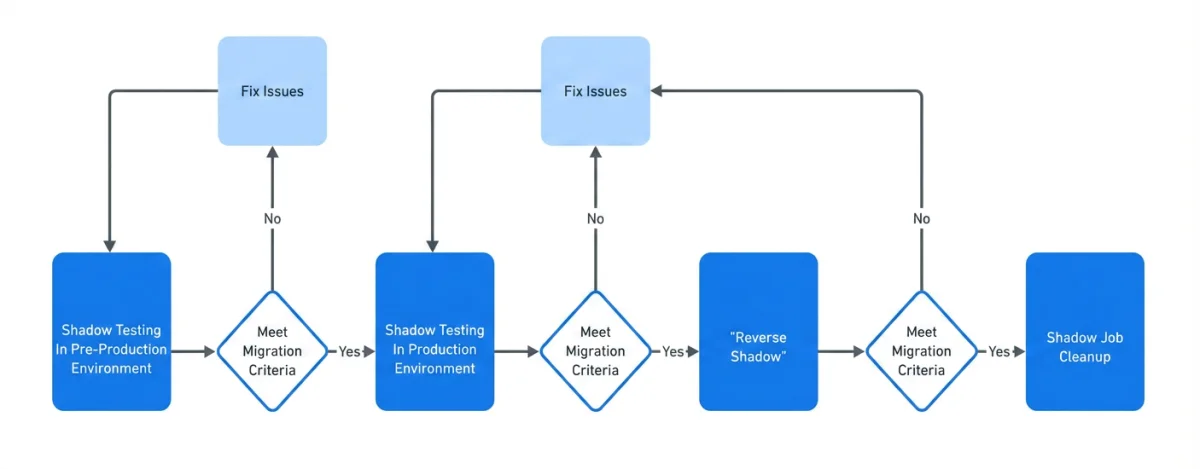
Meta's overhaul of its data ingestion system enhances efficiency and reliability. Discover the strategies that ensured a smooth migration without data loss.
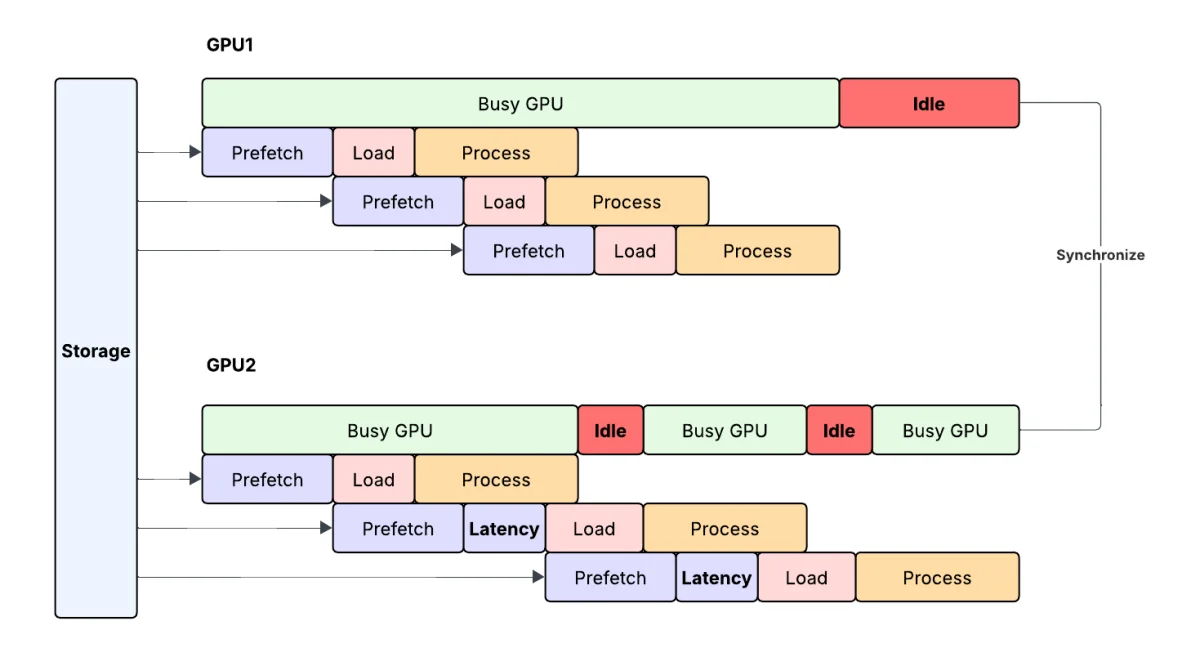
Meta's updated storage architecture aims to enhance GPU utilization and research velocity for AI workloads, addressing critical bottlenecks in data access.
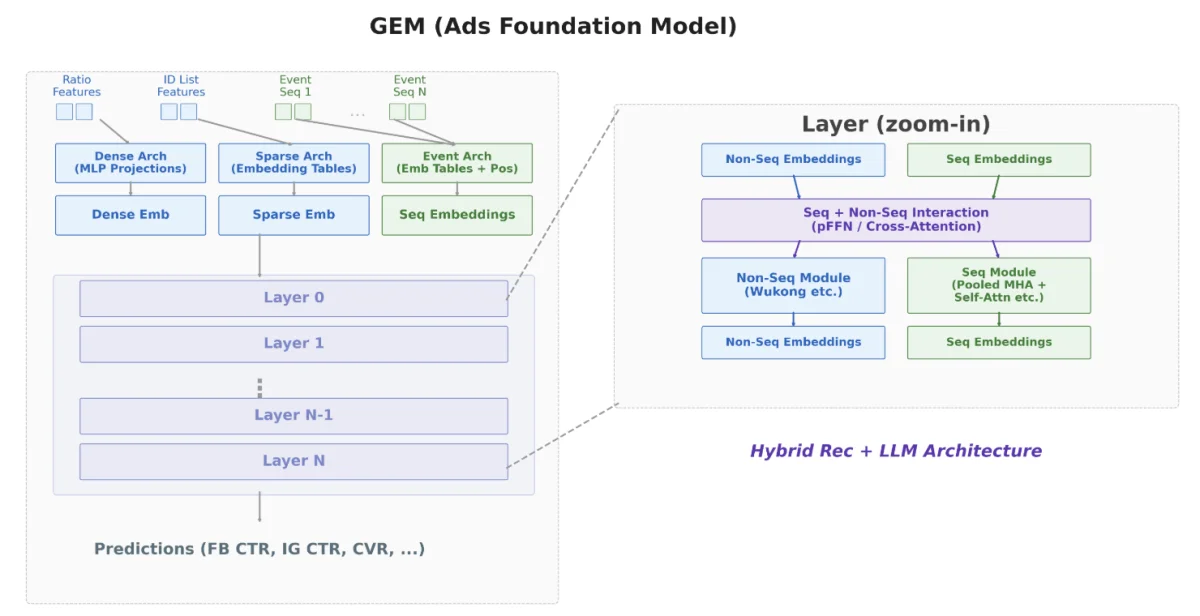
Meta's Generative Ads Recommendation Model (GEM) training has achieved a twofold increase in efficiency, leveraging unique architectural advancements and innova...
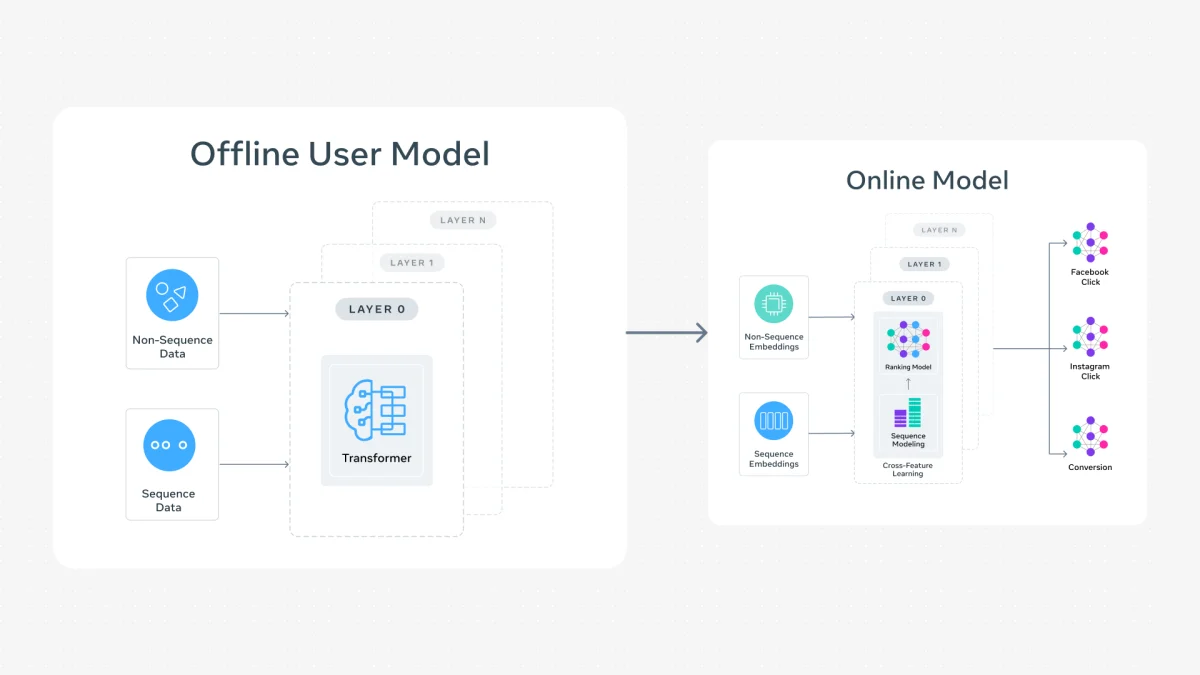
Meta's new multi-stage sequence model revolutionizes ads ranking by improving user representation and scaling efficiency, driving significant conversion increas...
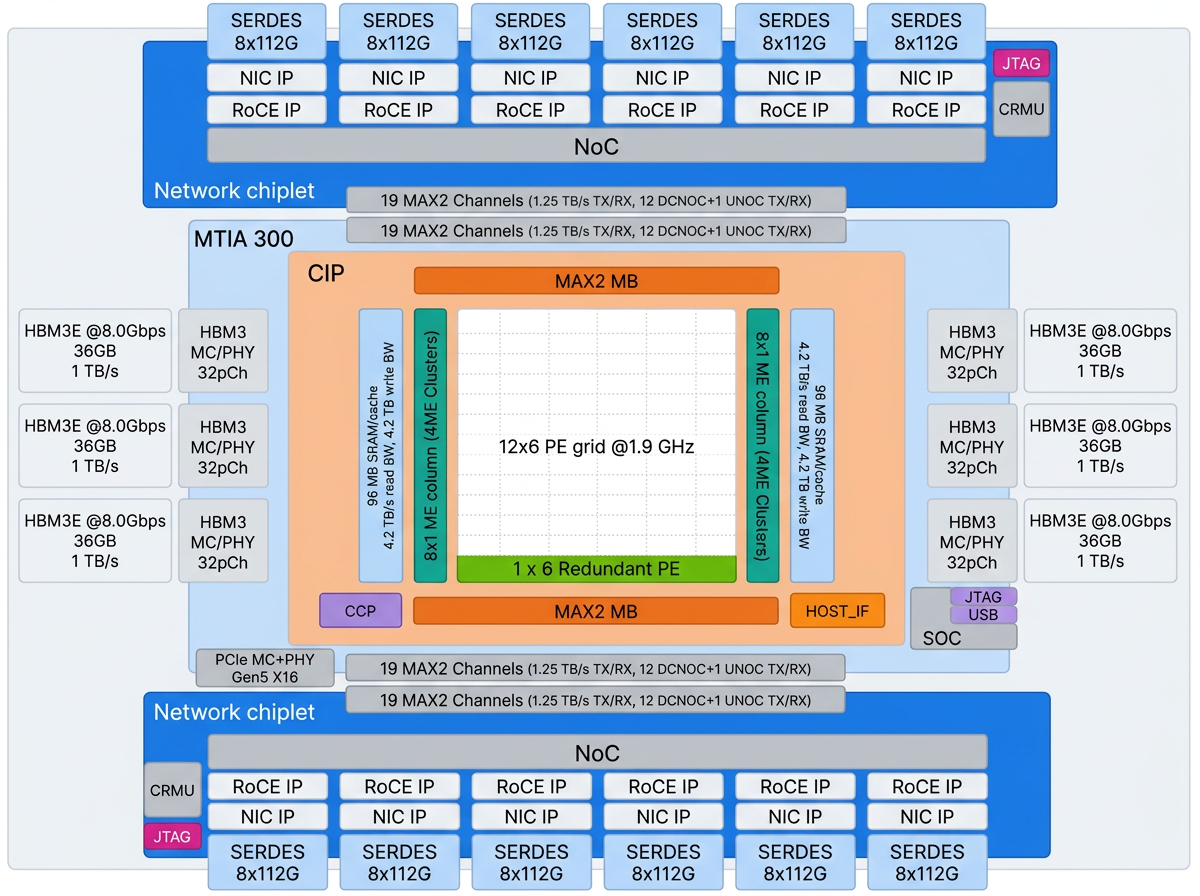
Meta's MTIA 300 brings integrated networking and advanced communication offloading, enhancing the efficiency of training recommendation models over traditional...
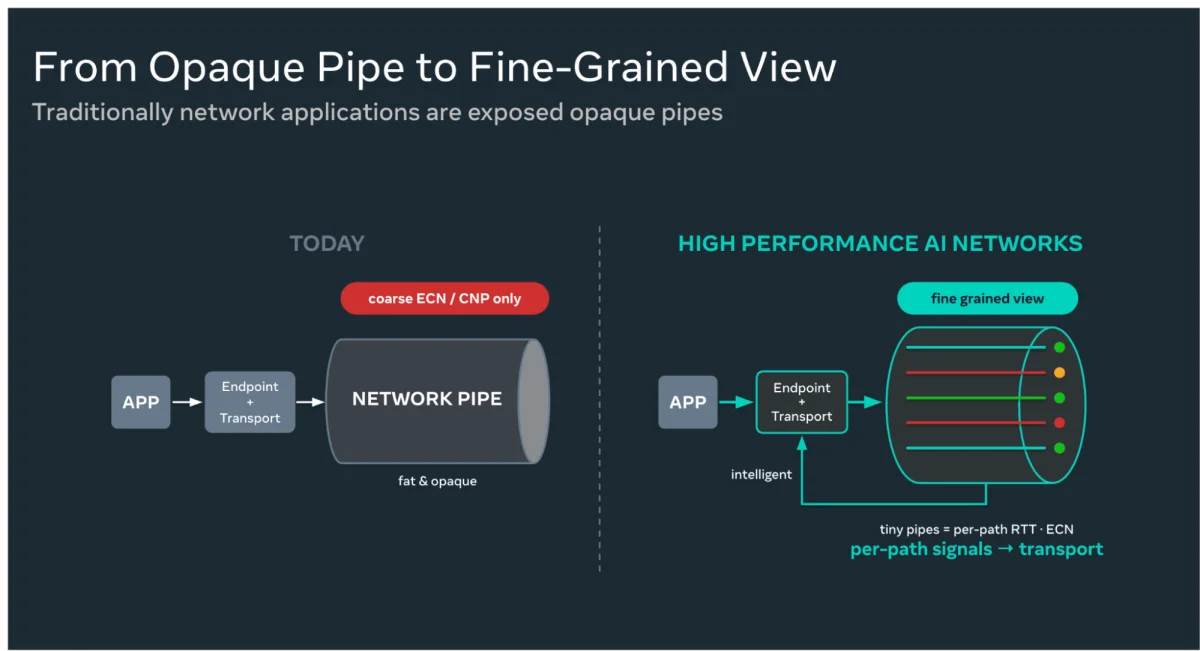
MetaRoCE is a new RDMA transport protocol from Meta, engineered for high-performance AI workloads over Ethernet, enabling greater efficiency and scalability.
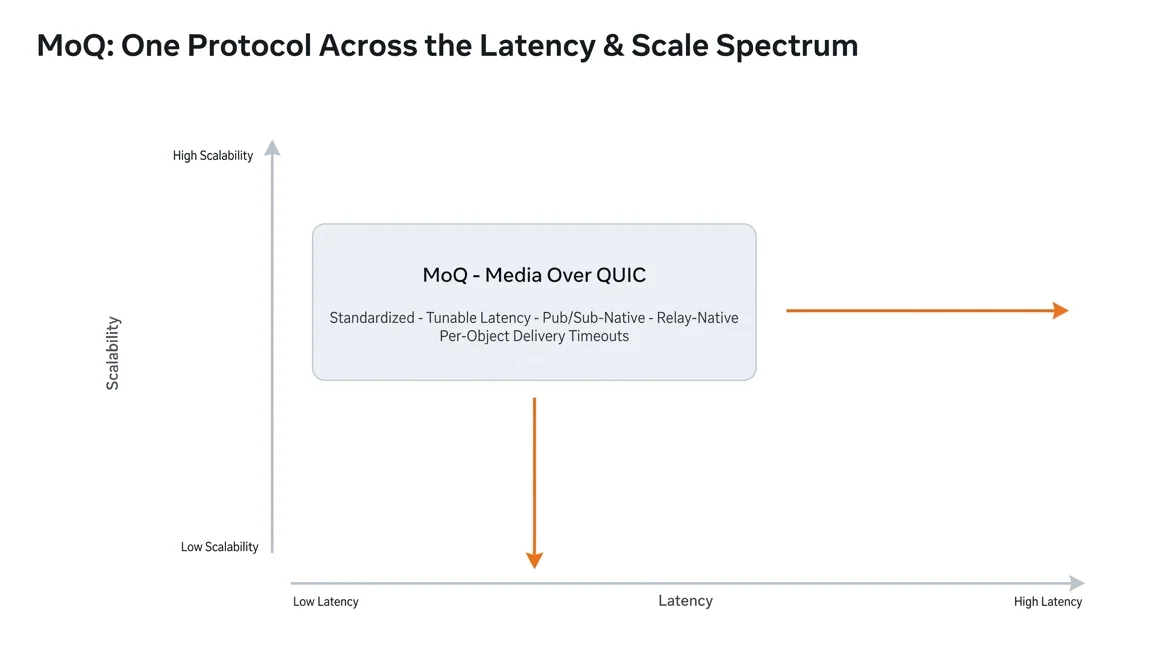
Meta's implementation of Media over QUIC (MoQ) for Instagram Live aims to simplify live video infrastructure and enhance streaming performance at scale.
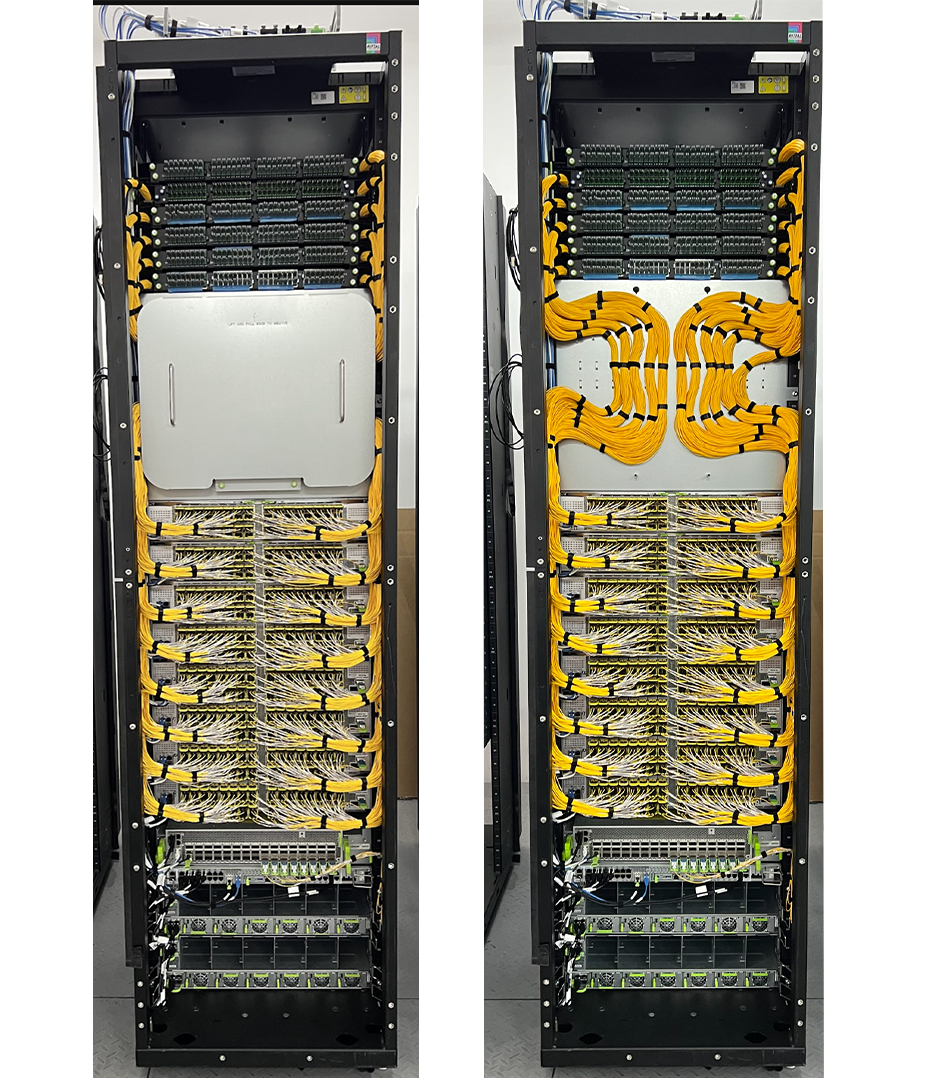
Meta's latest networking technologies, launched at OCP 2026, aim to enhance AI infrastructure with innovations like liquid cooling, expansive switching capabili...